
Floppinux 2025: Final Kernel Support for i486 Systems
Floppinux is a BusyBox-based Linux distribution compressed onto a single 1.44MB floppy disk. It serves as the final functional environment for 80486-class hardware following the removal of legacy x86

The Pitch
Floppinux is a BusyBox-based Linux distribution compressed onto a single 1.44MB floppy disk. It serves as the final functional environment for 80486-class hardware following the removal of legacy x86 support in the mainline kernel (source: The Register).
Under the Hood
The distribution utilizes Linux Kernel 6.15, released in May 2025, which represents the technical ceiling for i486 architectures. This specific kernel version removed approximately 14,000 lines of code related to ancient 32-bit x86 systems, effectively freezing the hardware's capabilities at this point (source: Phoronix).
For data persistence, the system employs a bind mount to the floppy drive (/dev/fd0). This allows users to save session data despite the extreme space constraints (source: Hacker News). However, the reliance on the FAT12 filesystem introduces significant risk, as it lacks journaling; any power interruption during a write cycle typically results in total data corruption (source: HN).
Technical trade-offs were necessary to meet the 1.44MB limit. We don't know yet which specific BusyBox applets were sacrificed to fit the binary footprint, as the configuration list is not public (source: UsedBy Dossier). Additionally, real-world boot performance metrics on 33MHz or 66MHz physical hardware remain undocumented (source: UsedBy Dossier).
Security is a primary concern for long-term use. Since mainline support for TSC-less and CX8-less CPUs officially ended in mid-2025, this hardware will receive no further security patches. Furthermore, physical 3.5-inch disks in 2026 are increasingly unreliable due to bit rot and mechanical failure of the media.
Marcus's Take
Floppinux is a proficient exercise in minimalism, but it is a digital sarcophagus rather than a tool for modern computing. It provides a niche utility for retro-computing enthusiasts looking to push 30-year-old silicon to its absolute limit before the lights go out for good. Skip this for anything requiring uptime or data integrity; the combination of magnetic media and a non-journaling filesystem is a disaster waiting to happen.
Ship clean code,
Marcus.
Marcus Webb - Senior Backend Analyst at UsedBy.ai
Related Articles
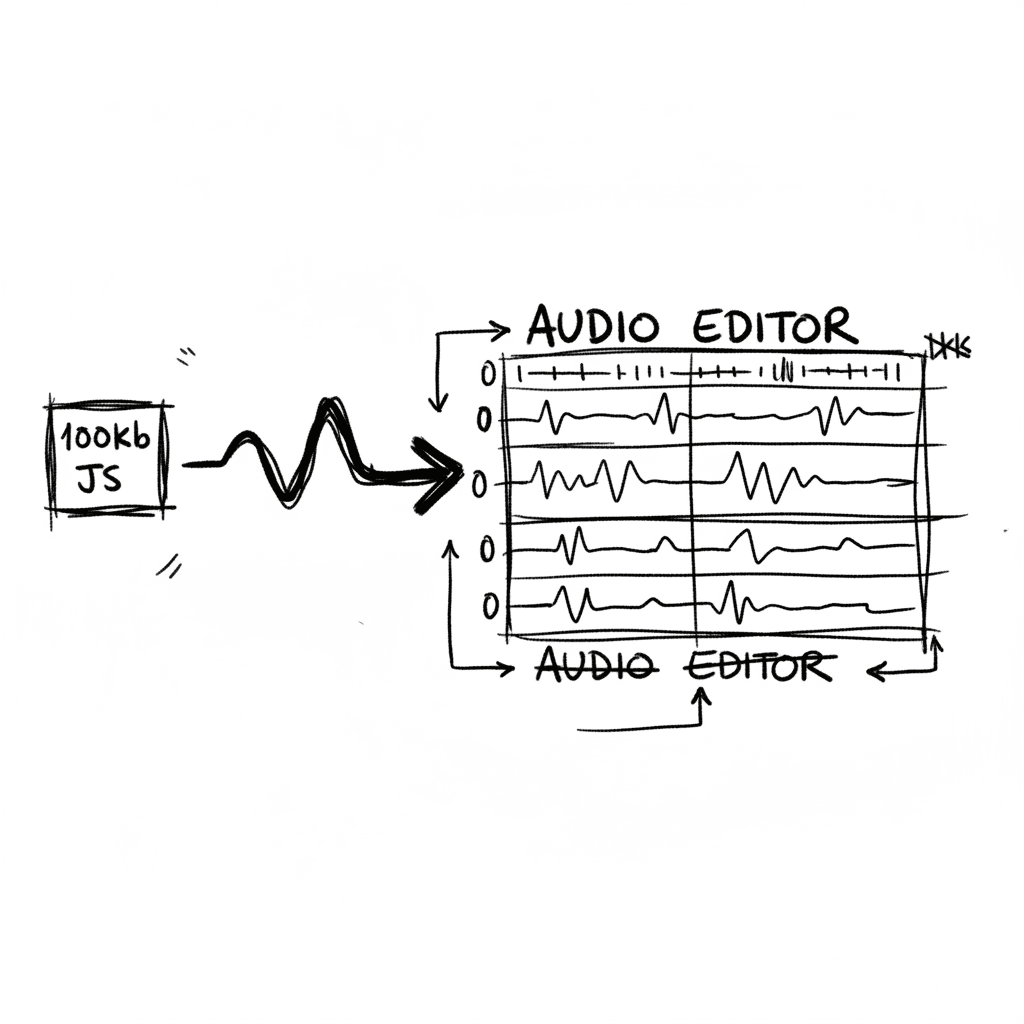
Audiomass: Multitrack Audio Editing via 100kb of Vanilla JavaScript
Audiomass is a browser-based, multitrack audio editor that operates entirely client-side with a remarkably small 100kb footprint (audiomass.co). It provides a workflow reminiscent of classic editors l
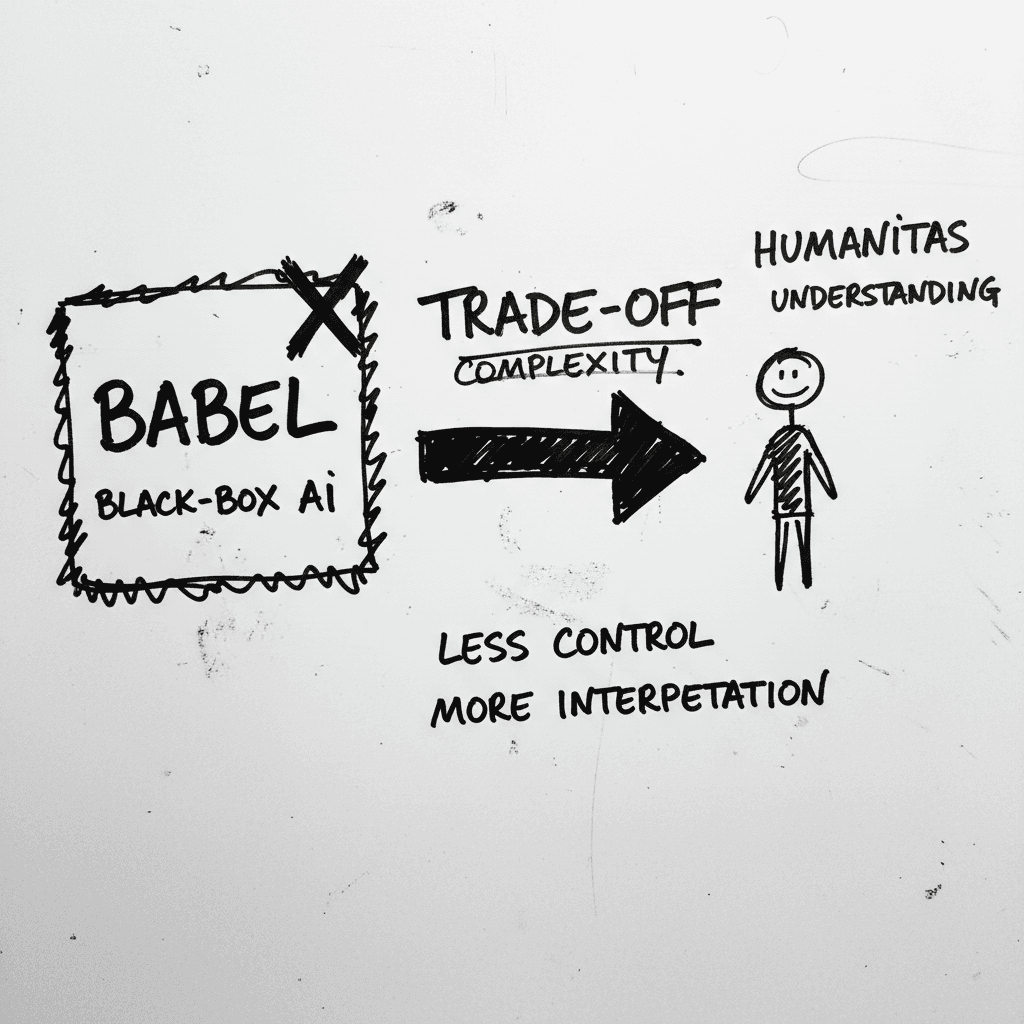
Magnifica Humanitas: The Vatican’s Framework for the GPT-5 Era
The document, signed May 15 and officially released today, was presented at the Vatican alongside Christopher Olah, co-founder of Anthropic and lead of its interpretability team (ncronline.org, Forbes

The Zero-Click Economy: Kagi Search vs. Google AI Mode
Google has effectively pivoted to an "answer engine" where Gemini 3.5 Flash provides conversational summaries, while Kagi remains the primary refuge for users seeking a human-centric, ad-free index. W
Stay Ahead of AI Adoption Trends
Get our latest reports and insights delivered to your inbox. No spam, just data.