
Grok 4.3: High-Throughput Inference and Native Document Synthesis
Grok 4.3 currently leads the frontier model market in raw inference speed, clocked at 202.7 tokens per second (Artificial Analysis, 2026). It combines a 2-million-token context window with the ability

The Pitch
Grok 4.3 currently leads the frontier model market in raw inference speed, clocked at 202.7 tokens per second (Artificial Analysis, 2026). It combines a 2-million-token context window with the ability to natively generate office-ready files like XLSX and PPTX.
Under the Hood
The most significant technical metric for Grok 4.3 is its throughput-to-cost ratio. At $1.25 per 1M input tokens and $2.50 per 1M output tokens, it provides a faster and more affordable alternative to GPT-5 for high-volume pipelines (Artificial Analysis, April 2026).
The 2-million-token context window is the largest currently available among Western closed models as of May 2026 (LLM Reference). This allows for massive RAG injections, though the model’s lack of persistent session memory remains a significant hurdle for agentic workflows (Awesome Agents).
Unlike Claude 4.5 or GPT-5, Grok resets session state between conversations, forcing developers to manage long-term state in external vector stores. Furthermore, the "Heavy" mode—which utilizes 16 parallel agents—is restricted to a $300/month tier, which is a steep price for what essentially amounts to better orchestration (AIToolsRecap).
The model's native ability to generate downloadable PDFs, spreadsheets, and PowerPoint decks directly from a prompt is a legitimate time-saver for backend reporting (Awesome Agents). However, the underlying 0.5 Trillion parameter architecture still shows bias toward X (Twitter) trends, occasionally prioritizing viral data over verified expert consensus (Progressive Robot).
We still do not know when the 1-Trillion parameter "Step Change" update will be released (Elon Musk via X, April 2026). Additionally, the official Grok 4.3 model card is missing from the x.ai newsroom, currently existing only within developer documentation and beta selectors.
Marcus's Take
Grok 4.3 is an excellent choice for production pipelines where inference speed is the primary bottleneck. If your stack requires processing massive logs or generating automated spreadsheets at scale, the 200+ tok/s throughput makes it the current logical choice over Claude 4.5 Opus. However, the lack of persistent memory and the $300 price tag for the "Heavy" mode makes it feel like a very fast engine in a slightly unfinished car. Use it for data processing and document synthesis, but keep your complex, multi-turn reasoning tasks on Claude 4.5 Opus for now.
Ship clean code,
Marcus.
Marcus Webb - Senior Backend Analyst at UsedBy.ai
Related Articles
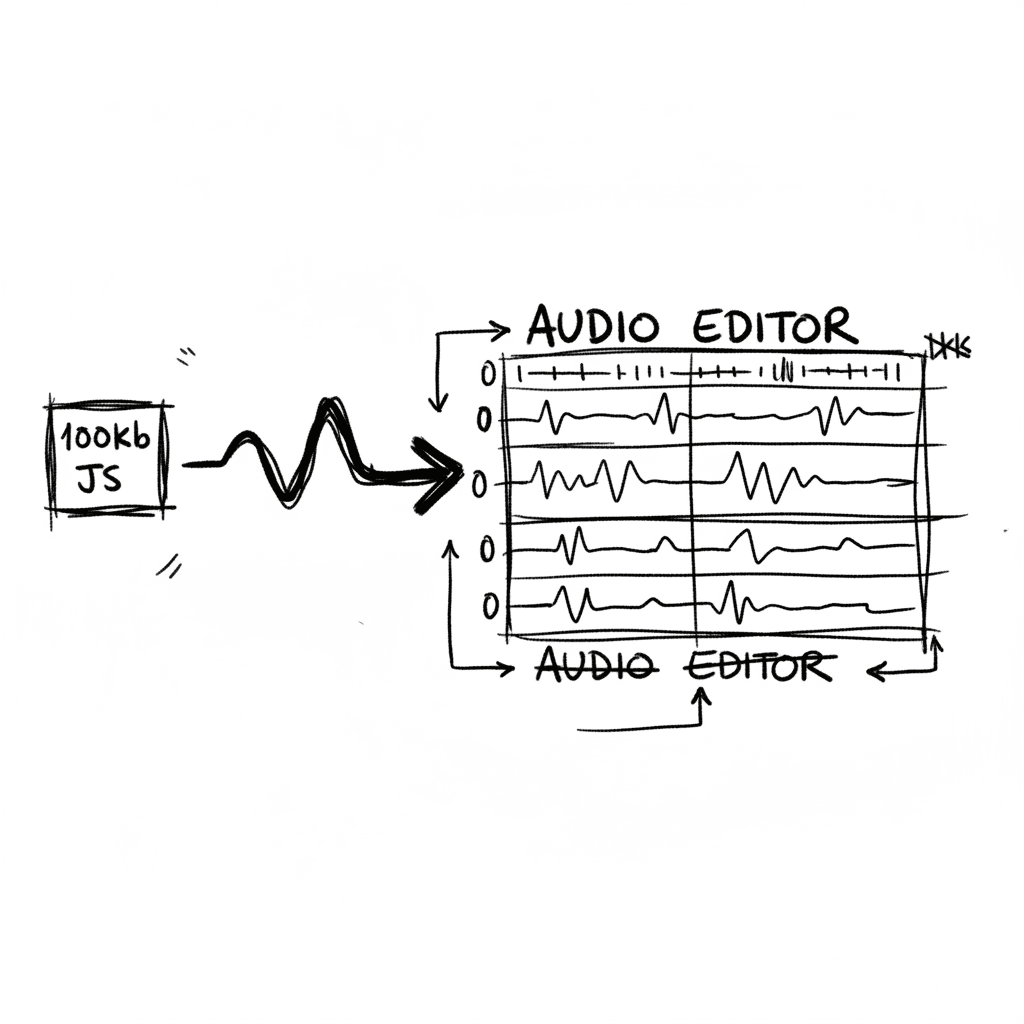
Audiomass: Multitrack Audio Editing via 100kb of Vanilla JavaScript
Audiomass is a browser-based, multitrack audio editor that operates entirely client-side with a remarkably small 100kb footprint (audiomass.co). It provides a workflow reminiscent of classic editors l
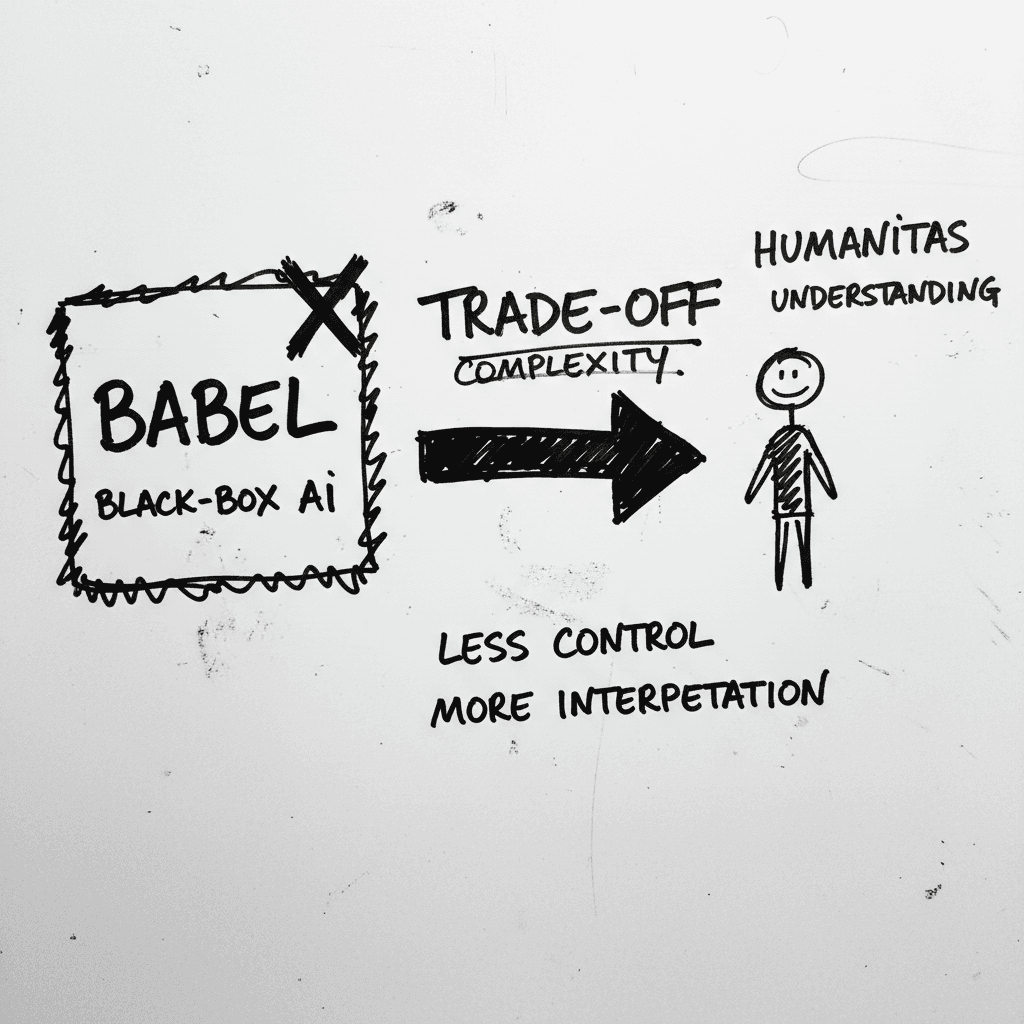
Magnifica Humanitas: The Vatican’s Framework for the GPT-5 Era
The document, signed May 15 and officially released today, was presented at the Vatican alongside Christopher Olah, co-founder of Anthropic and lead of its interpretability team (ncronline.org, Forbes
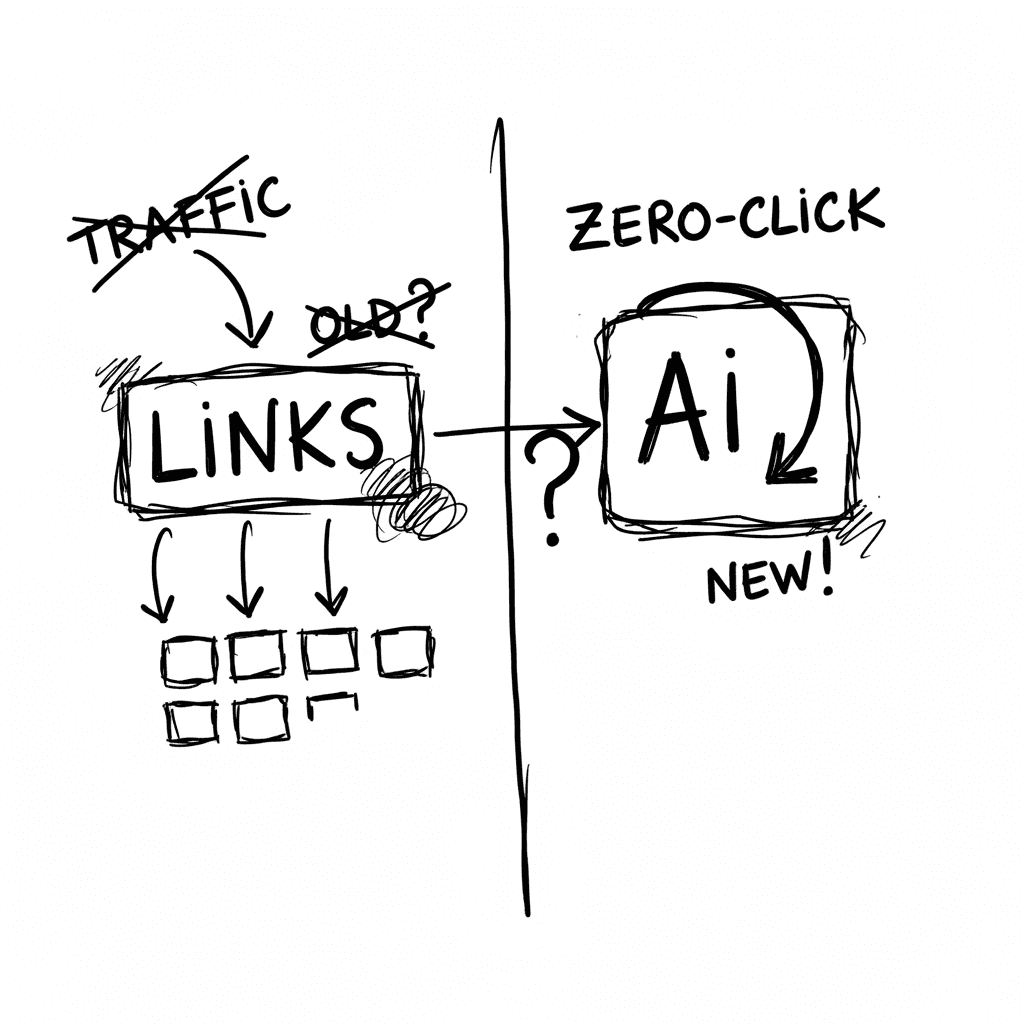
The Zero-Click Economy: Kagi Search vs. Google AI Mode
Google has effectively pivoted to an "answer engine" where Gemini 3.5 Flash provides conversational summaries, while Kagi remains the primary refuge for users seeking a human-centric, ad-free index. W
Stay Ahead of AI Adoption Trends
Get our latest reports and insights delivered to your inbox. No spam, just data.