
Mac OS X 10.0 Native Port to Nintendo Wii Hardware
Developer Bryan Keller has achieved native execution of Mac OS X 10.0 (Cheetah) on Nintendo Wii hardware by exploiting the shared PowerPC lineage between the two platforms. The project has surfaced as

The Pitch
Developer Bryan Keller has achieved native execution of Mac OS X 10.0 (Cheetah) on Nintendo Wii hardware by exploiting the shared PowerPC lineage between the two platforms. The project has surfaced as a legitimate low-level engineering feat involving binary-patching the XNU kernel to run on non-Apple silicon.
Under the Hood
The core of the project is a custom open-source bootloader known as 'wiiMac' (Source: GitHub/bryankeller/wiiMac). This tool handles the initial handoff to the Darwin kernel, which has been modified to recognize the Wii’s 750CL processor. Because the Wii uses a non-standard I/O architecture managed by an internal ARM-based SoC, Keller developed a bespoke bridge driver to facilitate communication (Source: OSnews).
The system boots from an SD card using a custom-built device tree to map the Wii's memory and peripherals (Source: Hackaday). The implementation successfully reaches the WindowServer GUI, though the hardware limits are palpable. The Wii provides only 88MB of RAM, which is the extreme lower limit for Mac OS X stability (Source: Xiand.ai). This often results in significant swap activity, further slowed by the SD card interface.
Performance and input limitations include:
* Software-based framebuffer rendering due to lack of hardware acceleration (Source: Hackaday).
* No native support for Wiimote or specialized Wii hardware (Source: Hacker News).
* High latency in system responsiveness caused by SD card I/O (Source: Hackaday).
* Total absence of GPU-assisted window compositing (Source: OSnews).
Regarding connectivity, we don't know yet if the WiFi or Ethernet drivers are functional or stable, as the technical documentation is silent on networking. We also lack data on how the system behaves under sustained I/O loads over several hours. It is currently a brittle, albeit technically sound, window into early Unix-based Mac history.
Marcus's Take
This is a masterclass in low-level systems programming that serves as a sobering reminder of how bloated our modern stacks have become. While porting a 25-year-old operating system to a 20-year-old console is a feat of pure engineering masochism, it offers no practical value for any modern production environment. It is a side-project for the "C and assembly" crowd that proves the PowerPC ecosystem was more cohesive than we remember. Build it if you want to see a Wii do something it was never intended to do, but keep your expectations as low as the 88MB RAM ceiling allows.
Ship clean code,
Marcus.
Marcus Webb - Senior Backend Analyst at UsedBy.ai
Related Articles
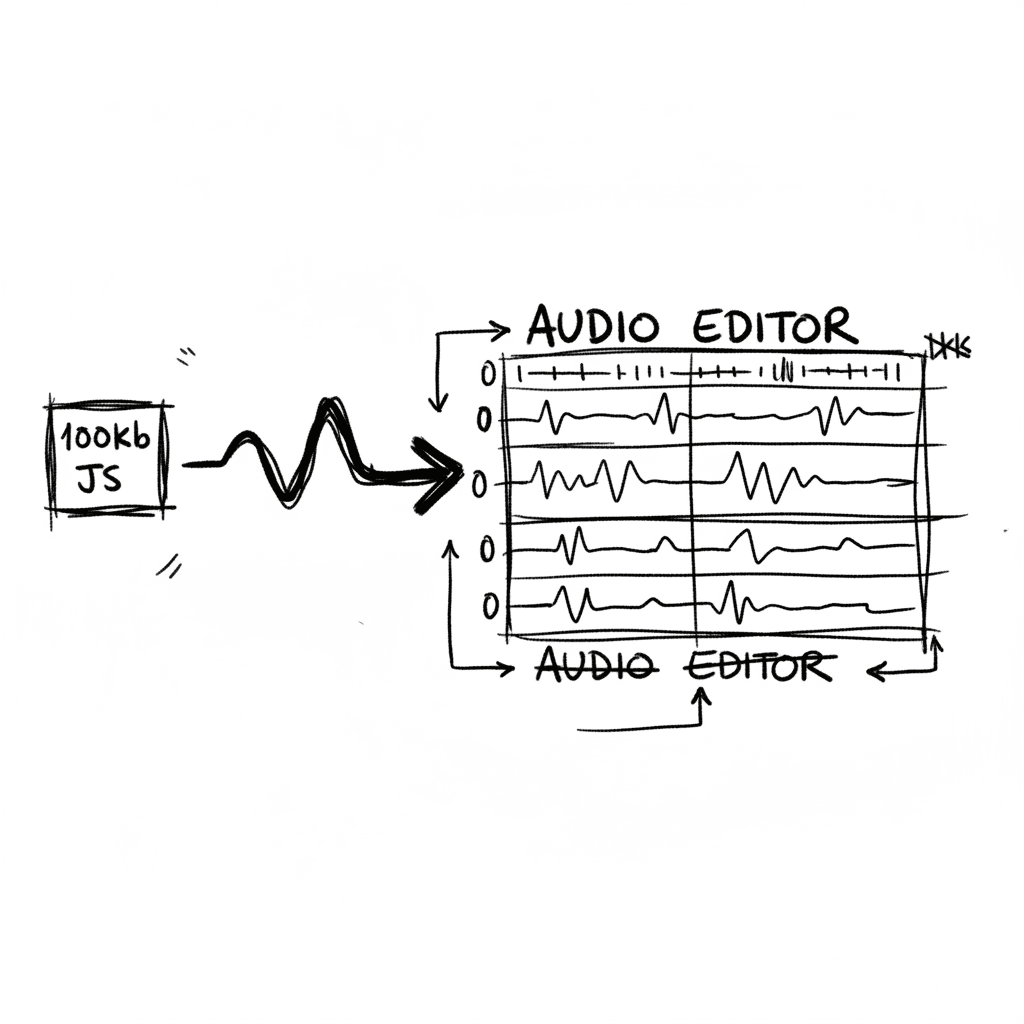
Audiomass: Multitrack Audio Editing via 100kb of Vanilla JavaScript
Audiomass is a browser-based, multitrack audio editor that operates entirely client-side with a remarkably small 100kb footprint (audiomass.co). It provides a workflow reminiscent of classic editors l
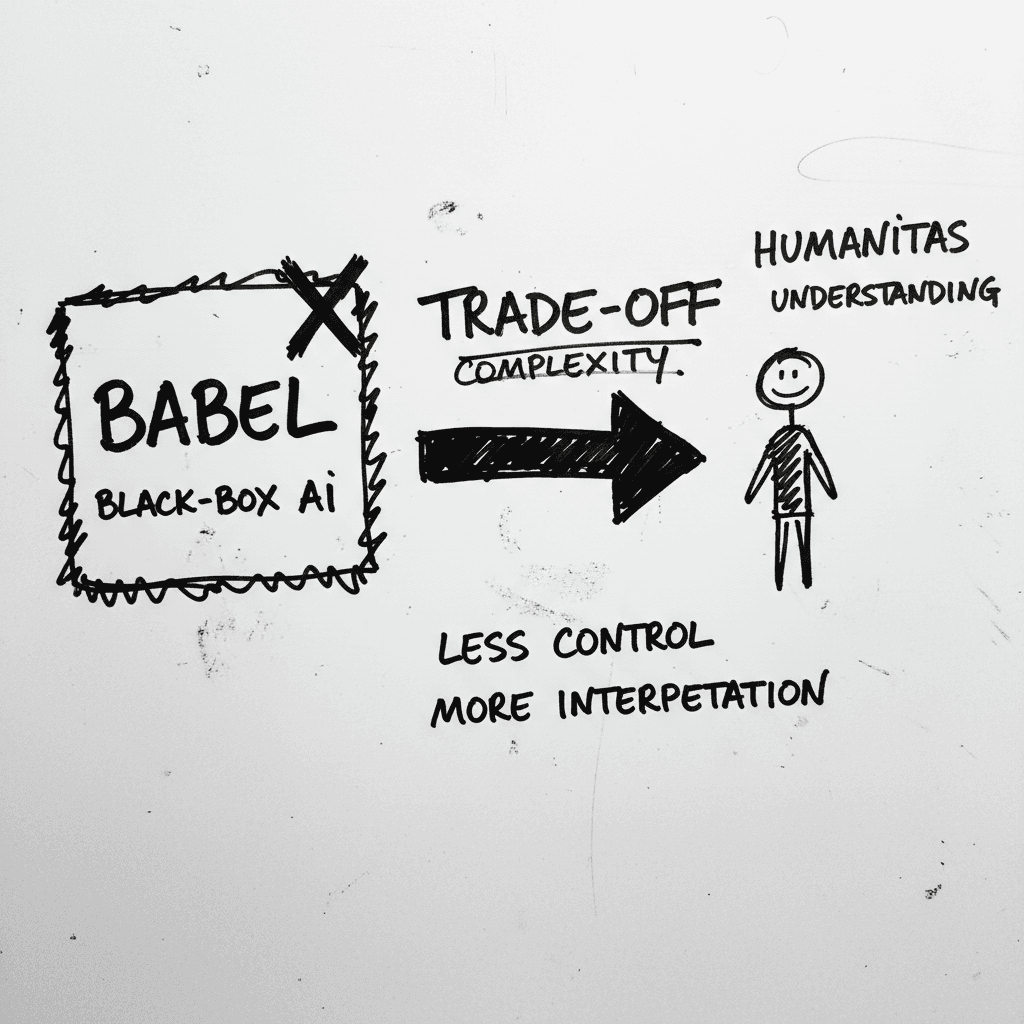
Magnifica Humanitas: The Vatican’s Framework for the GPT-5 Era
The document, signed May 15 and officially released today, was presented at the Vatican alongside Christopher Olah, co-founder of Anthropic and lead of its interpretability team (ncronline.org, Forbes

The Zero-Click Economy: Kagi Search vs. Google AI Mode
Google has effectively pivoted to an "answer engine" where Gemini 3.5 Flash provides conversational summaries, while Kagi remains the primary refuge for users seeking a human-centric, ad-free index. W
Stay Ahead of AI Adoption Trends
Get our latest reports and insights delivered to your inbox. No spam, just data.