
Magnifica Humanitas: The Vatican’s Framework for the GPT-5 Era
The document, signed May 15 and officially released today, was presented at the Vatican alongside Christopher Olah, co-founder of Anthropic and lead of its interpretability team (ncronline.org, Forbes

The Pitch
The Vatican has published Magnifica Humanitas, a 180-page encyclical framing the cognitive revolution driven by GPT-5 and Claude 4.5 Opus as a spiritual and social crisis (vatican.va). It serves as a formal rejection of the "idolatry of profit" and the "Babel syndrome" of cultural homogenization currently dominating Silicon Valley’s development cycles.
Under the Hood
The document, signed May 15 and officially released today, was presented at the Vatican alongside Christopher Olah, co-founder of Anthropic and lead of its interpretability team (ncronline.org, Forbes). This signals a move from theoretical ethics to a technical demand for transparency in the "black box" of frontier models.
The Vatican specifically identifies the energy and water consumption of large-scale AI clusters as a primary environmental threat (Forbes). This puts the Church at odds with the current 2026 U.S. administration, which has prioritized aggressive deregulation to maintain a compute advantage (news4jax.com).
The text rejects the use of AI for "lethal decisions" in warfare and warns that the concentration of data and compute represents a "new monopoly" that threatens democratic processes (NPR, News4Jax). It frames the "Babel syndrome"—the tendency of LLMs to erase cultural nuances in favour of a standardized output—as a loss of human dignity (vatican.va).
Economic displacement is a central theme, with the document arguing that the current AI race systematically sacrifices jobs to satisfy market interests (Forbes). This "epistemic asymmetry" creates a divide where Silicon Valley holds the keys to the world's cognitive infrastructure while the rest of the population faces job insecurity (NPR).
We don’t know yet how the Vatican intends to implement "subsidiarity" within model alignment algorithms (UsedBy Dossier). Furthermore, leadership at OpenAI and Google have yet to comment on the specific "monopoly" critiques leveled against GPT-5 and Gemini 2.5 (UsedBy Dossier).
Marcus's Take
Do not dismiss this as a mere theological exercise; it is a regulatory manifesto in disguise. When the industry's leading interpretability expert shares a stage with the Pope to launch a document, the technical "safety" conversation has officially shifted into the realm of geopolitics. If you are a CTO building on GPT-5 or Claude 4.5 Opus, you should view this as the blueprint for the next wave of EU and non-US compliance standards. This isn't about code; it's about the cost of compute and who gets to decide what is "common good."
Ship clean code,
Marcus.
Marcus Webb - Senior Backend Analyst at UsedBy.ai
Related Articles
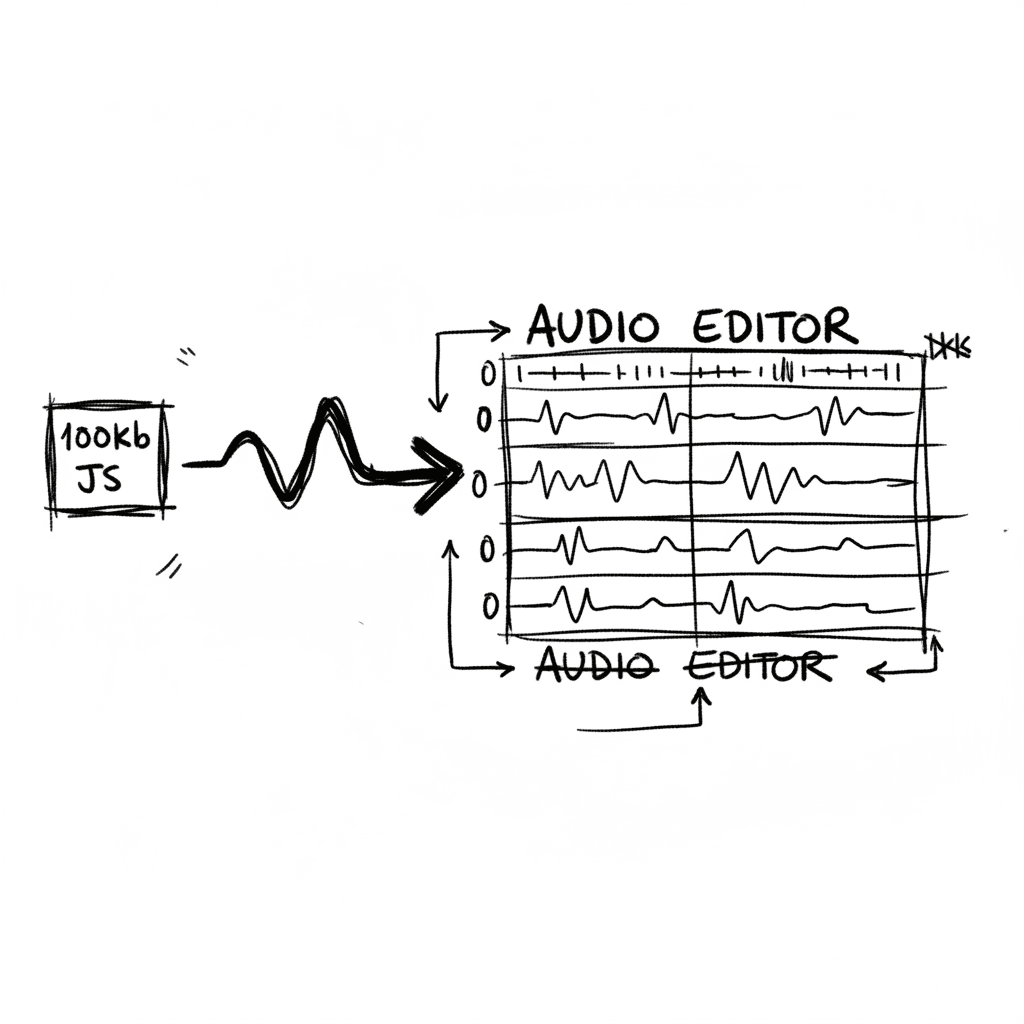
Audiomass: Multitrack Audio Editing via 100kb of Vanilla JavaScript
Audiomass is a browser-based, multitrack audio editor that operates entirely client-side with a remarkably small 100kb footprint (audiomass.co). It provides a workflow reminiscent of classic editors l
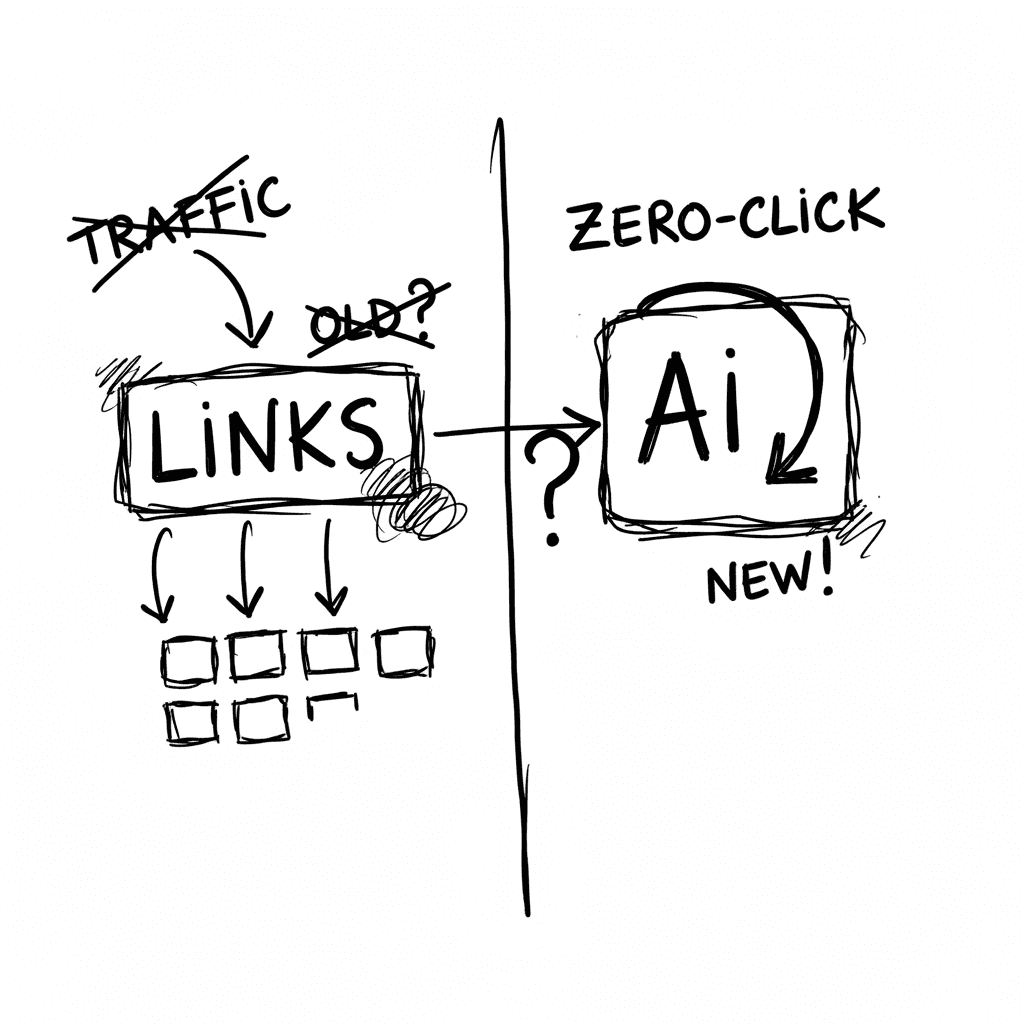
The Zero-Click Economy: Kagi Search vs. Google AI Mode
Google has effectively pivoted to an "answer engine" where Gemini 3.5 Flash provides conversational summaries, while Kagi remains the primary refuge for users seeking a human-centric, ad-free index. W
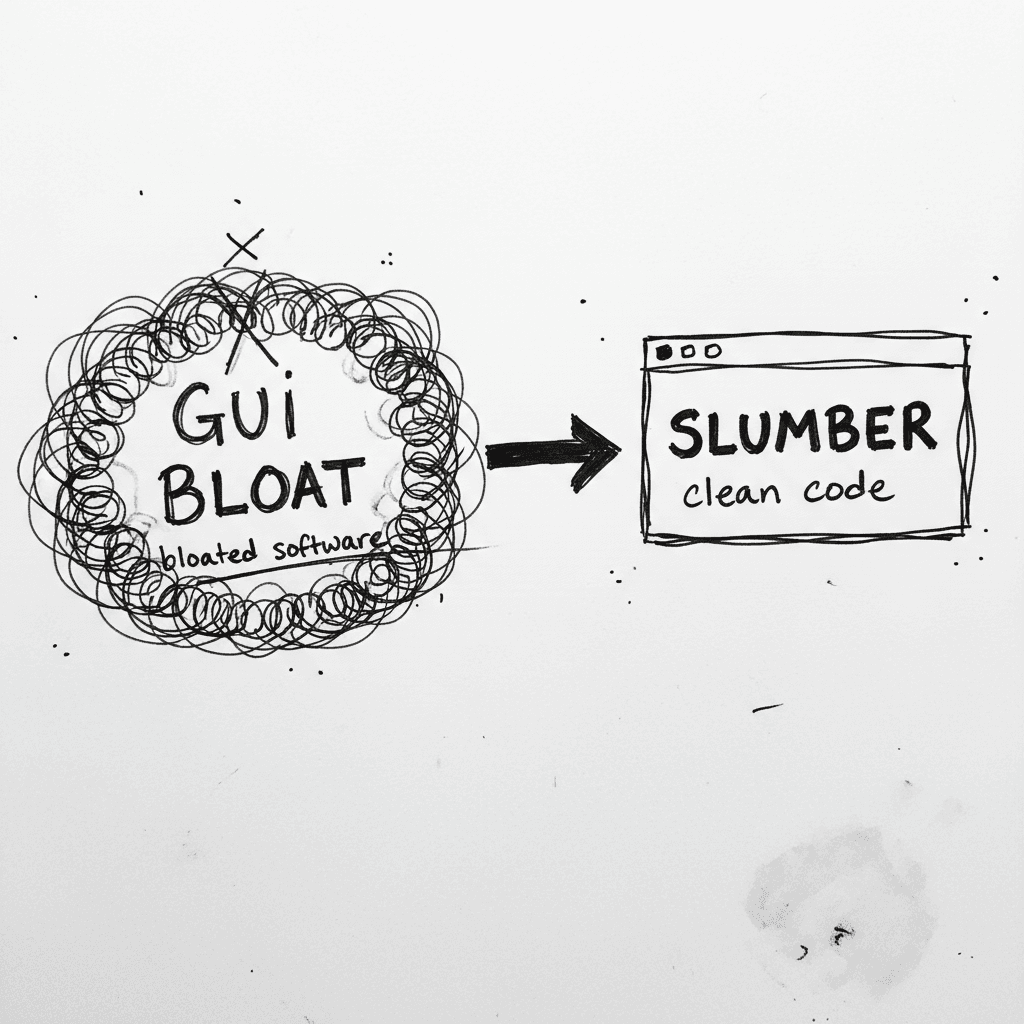
Slumber: A Rust-Based Terminal Alternative to Postman
Slumber utilizes the Ratatui framework and a local SQLite backend to provide a configuration-first HTTP client that resides entirely in the terminal (GitHub: LucasPickering/slumber). It targets senior
Stay Ahead of AI Adoption Trends
Get our latest reports and insights delivered to your inbox. No spam, just data.