
Polypad: Mathematical Visualization and the Amplify Integration
Polypad is a browser-based mathematical sandbox that leverages a high-performance manipulative engine for 2D/3D geometry, logic gates, and data science. Now part of the Amplify ecosystem, it maintains

The Pitch
Polypad is a browser-based mathematical sandbox that leverages a high-performance manipulative engine for 2D/3D geometry, logic gates, and data science. Now part of the Amplify ecosystem, it maintains a "no-login-required" frontend while serving as the primary canvas for real-time pedagogical monitoring.
Under the Hood
Polypad’s core logic resides in its open-source libraries, specifically euclid.js and hilbert.js, which are still actively maintained under the Mathigon GitHub organization (Source: GitHub). Recent production updates in January 2026 introduced "Order Validation" and "Scrollable Layout" features, signaling that development remains focused on UI stability and canvas flexibility (Source: Amplify YouTube).
The technical architecture has shifted toward deeper integration with the "Activity Builder" suite, allowing teachers to monitor student canvases in real-time (Source: Amplify Service Articles). This synchronization suggests a robust WebSocket or state-streaming backend, although the specific implementation details remain proprietary.
We do not know the specific LLM architecture powering Polypad's automated tutoring. While Amplify’s 2026 AI Principles document confirms the use of GPT-5 and Claude 4.5 Opus across their wider platform, the exact model driving the math-specific feedback loops is not public.
Performance reliability is generally high, though some users report "403 Forbidden" errors, likely due to aggressive WAF settings or regional IP blocking (Source: HN). Furthermore, the tool lacks a raw scripting interface for direct programming, which may alienate users seeking PostScript-level control (Source: HN).
We also don't know the exact data retention policy for anonymous student canvases. While the "no-login" philosophy is excellent for friction-less entry, the persistence of these data objects without a formal account is a grey area for privacy-conscious implementations.
Marcus's Take
Polypad is the gold standard for browser-based mathematical visualization, and the 2026 updates confirm it isn't becoming shelfware. It is refreshing to see a tool that doesn't force a login before you can draw a triangle, though I suspect the Amplify acquisition will eventually tighten the noose around the "stand-alone free" legacy. Use it for any K-12 pedagogical project, but don't expect it to replace a proper IDE for complex mathematical modeling. It is an excellent canvas, provided you don't mind the occasional 403 error reminding you that the internet is essentially a series of locked gates.
Ship clean code,
Marcus.
Marcus Webb - Senior Backend Analyst at UsedBy.ai
Related Articles
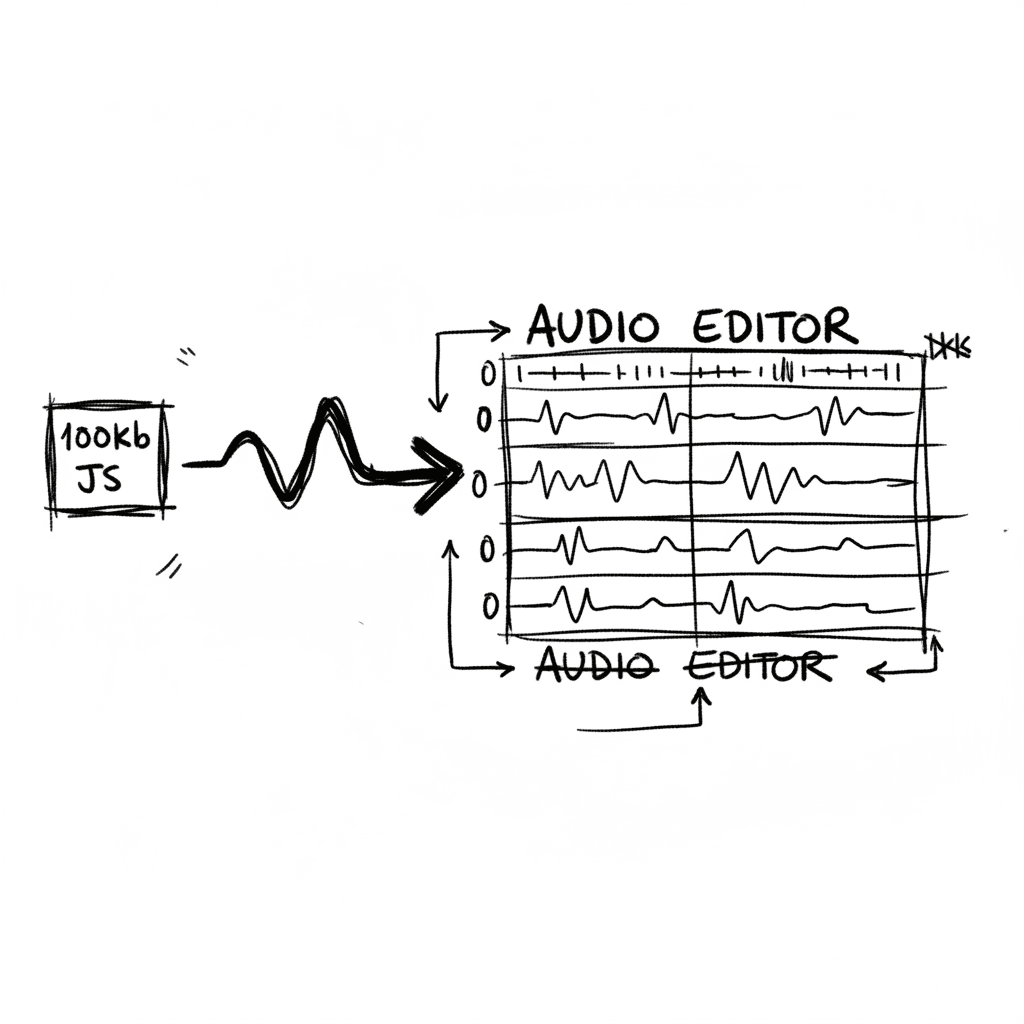
Audiomass: Multitrack Audio Editing via 100kb of Vanilla JavaScript
Audiomass is a browser-based, multitrack audio editor that operates entirely client-side with a remarkably small 100kb footprint (audiomass.co). It provides a workflow reminiscent of classic editors l
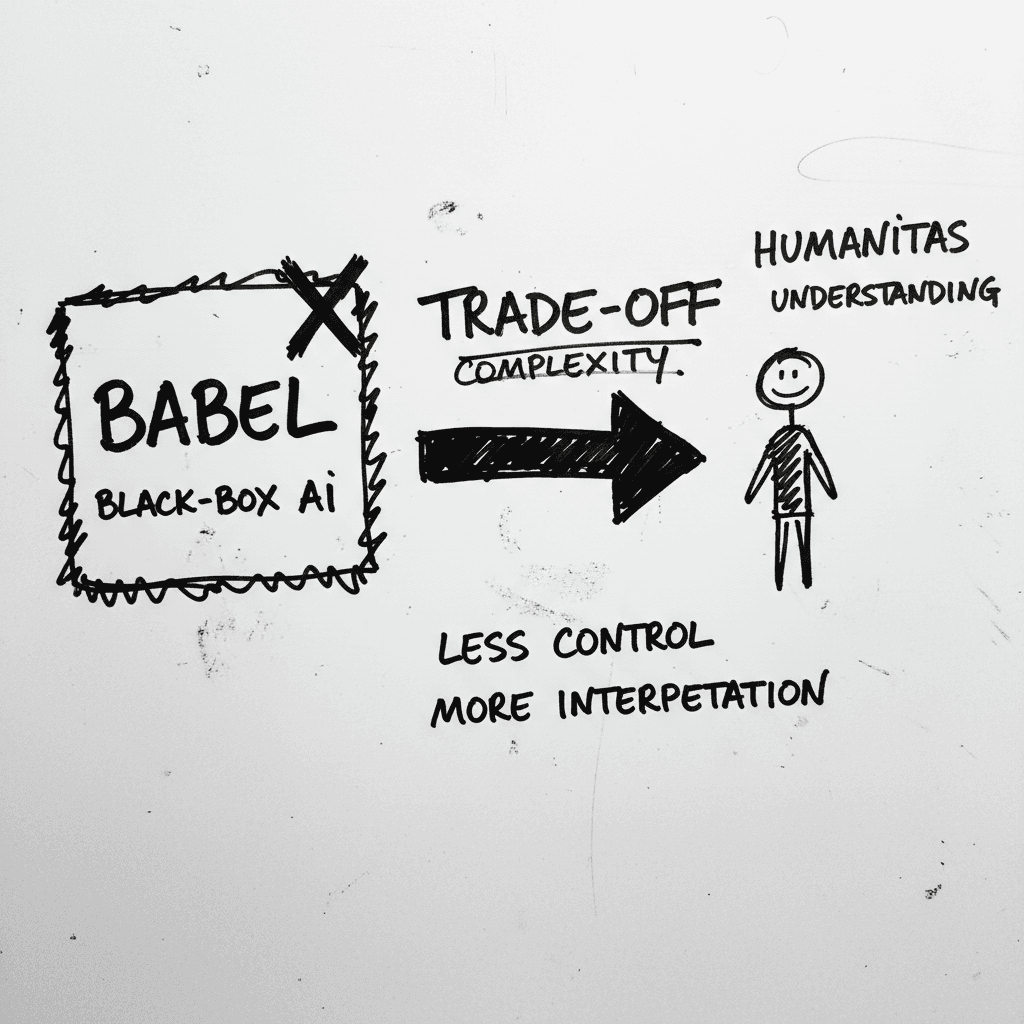
Magnifica Humanitas: The Vatican’s Framework for the GPT-5 Era
The document, signed May 15 and officially released today, was presented at the Vatican alongside Christopher Olah, co-founder of Anthropic and lead of its interpretability team (ncronline.org, Forbes
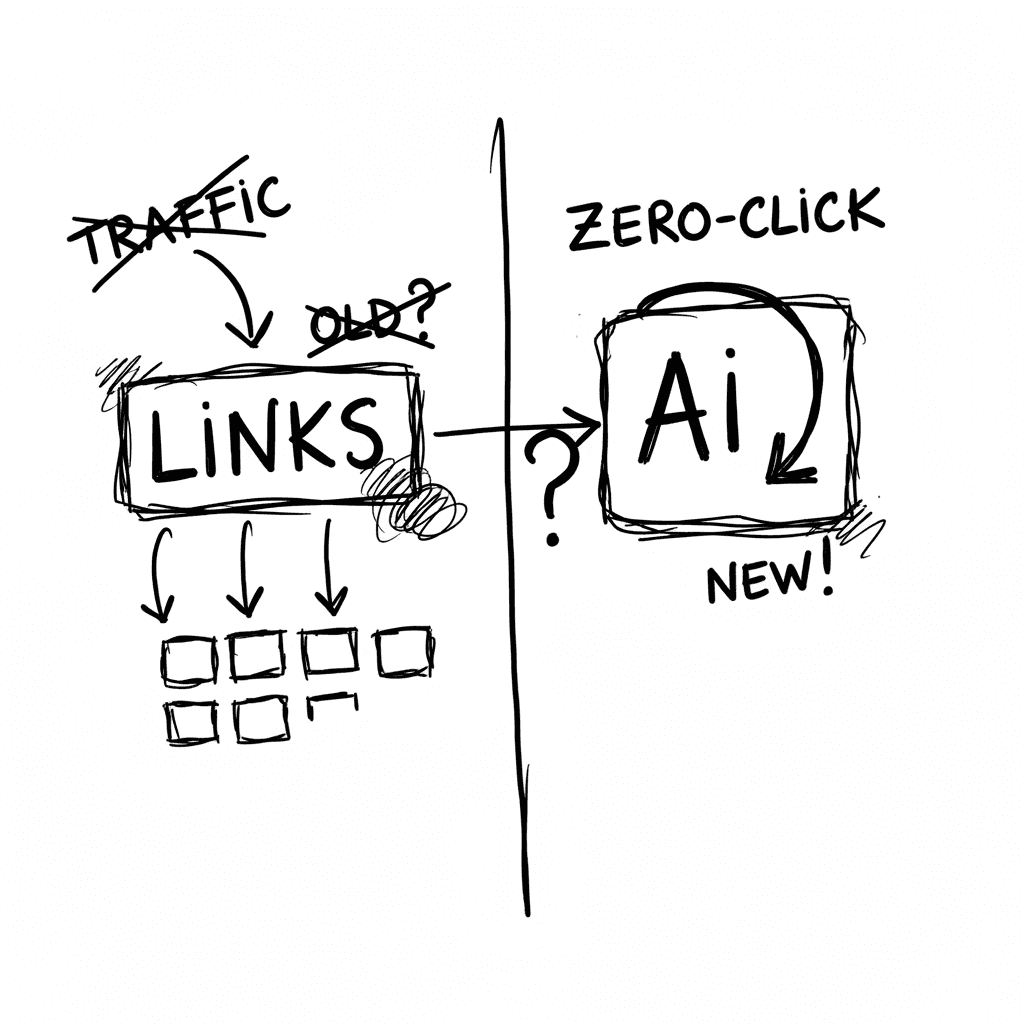
The Zero-Click Economy: Kagi Search vs. Google AI Mode
Google has effectively pivoted to an "answer engine" where Gemini 3.5 Flash provides conversational summaries, while Kagi remains the primary refuge for users seeking a human-centric, ad-free index. W
Stay Ahead of AI Adoption Trends
Get our latest reports and insights delivered to your inbox. No spam, just data.