
TC39 Stage 4 Approval of the Temporal API
Despite standardization, cross-platform stability remains a significant bottleneck for production environments. As of March 12, 2026, Safari and most mobile browsers still lack stable support, relegat

The Pitch
The Temporal API reached Stage 4 standardization on March 11, 2026, at the TC39 plenary meeting in New York (source: Bloomberg JS Blog). It provides a suite of immutable, timezone-aware objects designed to finally deprecate the flawed 30-year-old Date implementation. While the backend community has long awaited this, the current deployment reality is less tidy than the specification suggests.
Under the Hood
Temporal introduces specialized types—Instant, ZonedDateTime, PlainDate, PlainTime, and Duration—to eliminate the mutability and Daylight Saving Time (DST) bugs inherent in legacy JavaScript (source: tc39.es). Firefox v139 was the first to ship the API unflagged in May 2025, with Chrome v144 and Edge v144 following in January 2026 (source: MDN / Bloomberg). Interestingly, the Chrome/V8 implementation relies on temporal_rs, a Rust-based core developed in collaboration with the Boa engine team (source: HN / GitHub).
Despite standardization, cross-platform stability remains a significant bottleneck for production environments. As of March 12, 2026, Safari and most mobile browsers still lack stable support, relegating the API to Technical Previews (source: UsedBy Dossier). We do not know the official stable release date for Safari yet, nor the exact timeline for Node.js v26 to support Temporal without experimental flags.
For projects requiring broad browser compatibility, the trade-off is currently steep. Current polyfills add between 35KB and 50KB gzipped to your bundle (source: PkgPulse). Furthermore, the API lacks a native format() method for custom strings, forcing developers to continue piping data through the Intl object or lightweight wrappers like temporal-fun (source: Reddit). Most existing Web APIs still return legacy Date objects, creating constant conversion overhead at system boundaries (source: Bloomberg).
Marcus's Take
The Temporal API is a technically superior architecture, but it isn't ready for general production use in March 2026 unless you are building for a controlled, evergreen environment. The 50KB polyfill penalty is an unacceptable tax on frontend latency just to fix a legacy API's ergonomics. Until Safari ships it and Node.js v26 stabilizes support, Temporal remains a backend-only curiosity or a side-project luxury. Stick to your existing date libraries for another six months; the "standard" isn't standard until it runs everywhere without a heavy crutch.
Ship clean code,
Marcus.
Marcus Webb - Senior Backend Analyst at UsedBy.ai
Related Articles
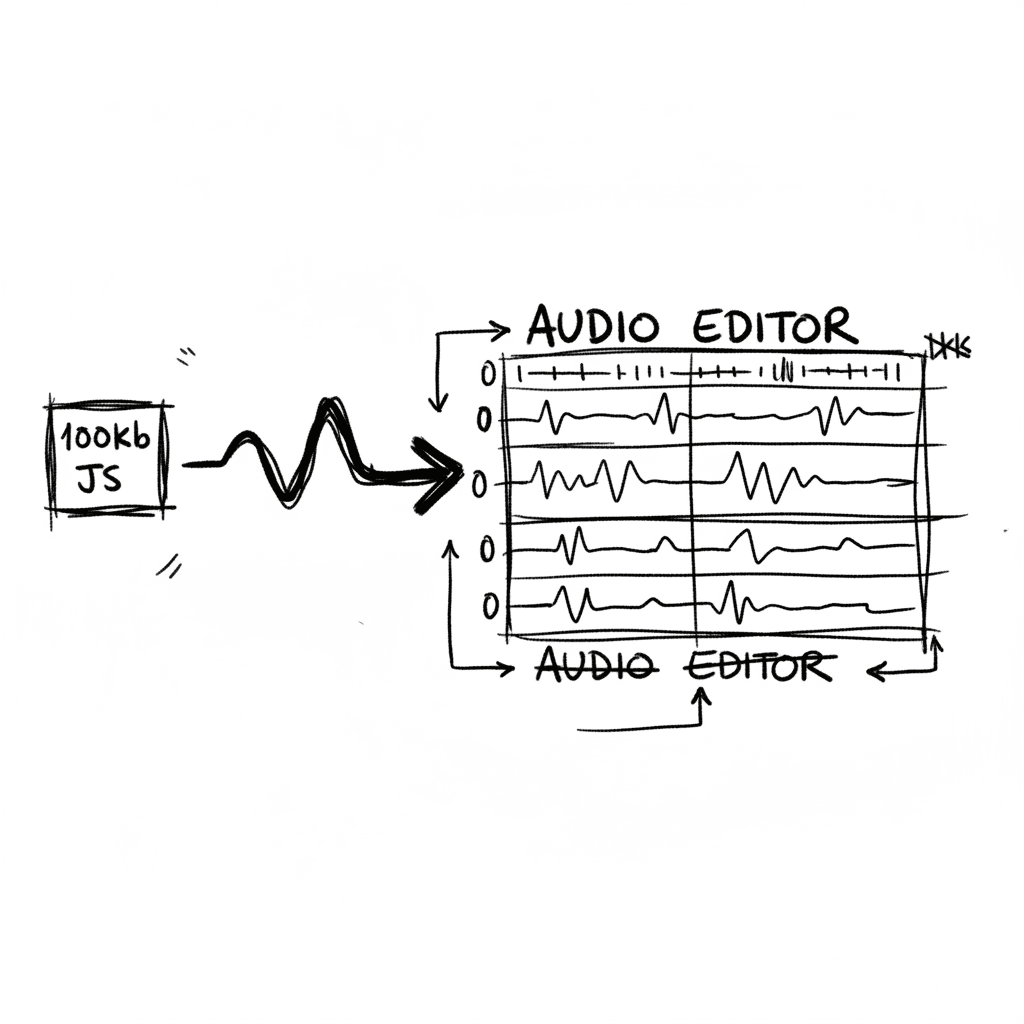
Audiomass: Multitrack Audio Editing via 100kb of Vanilla JavaScript
Audiomass is a browser-based, multitrack audio editor that operates entirely client-side with a remarkably small 100kb footprint (audiomass.co). It provides a workflow reminiscent of classic editors l
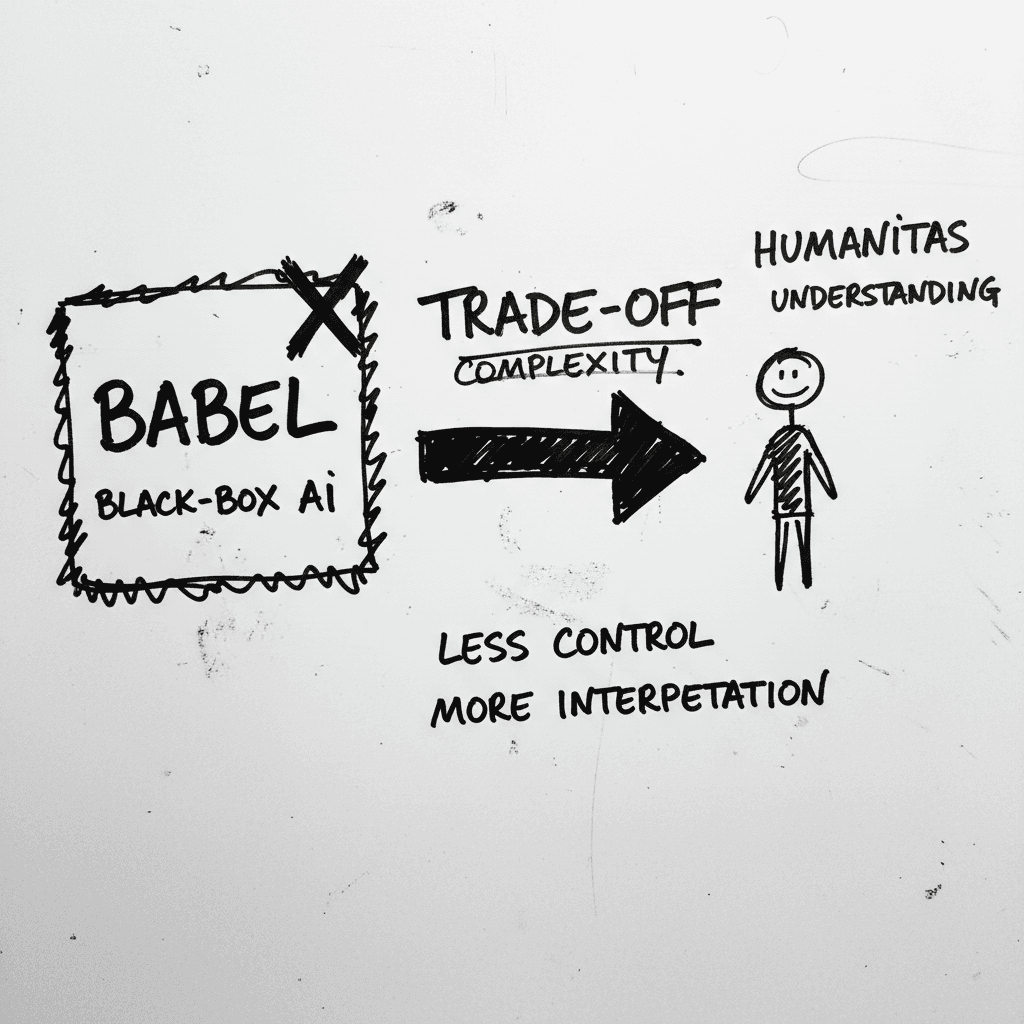
Magnifica Humanitas: The Vatican’s Framework for the GPT-5 Era
The document, signed May 15 and officially released today, was presented at the Vatican alongside Christopher Olah, co-founder of Anthropic and lead of its interpretability team (ncronline.org, Forbes
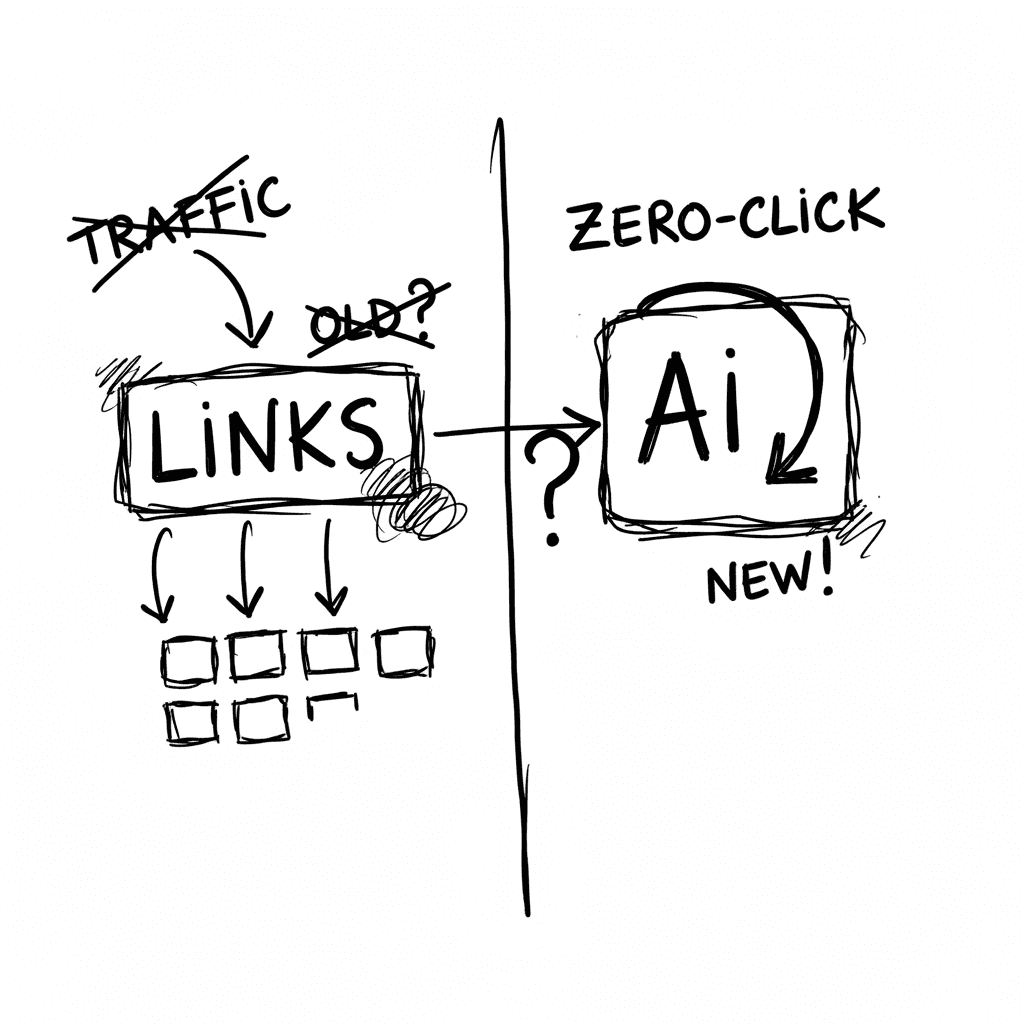
The Zero-Click Economy: Kagi Search vs. Google AI Mode
Google has effectively pivoted to an "answer engine" where Gemini 3.5 Flash provides conversational summaries, while Kagi remains the primary refuge for users seeking a human-centric, ad-free index. W
Stay Ahead of AI Adoption Trends
Get our latest reports and insights delivered to your inbox. No spam, just data.