
The Conduit Problem: Generative AI and the Hollowing of Technical Expertise
The primary metric for developer productivity in mid-2026 has shifted from logic density to artifact volume, fueled by LLM-driven "elongation" of workplace outputs. This phenomenon, labeled AI Product

The Pitch
The primary metric for developer productivity in mid-2026 has shifted from logic density to artifact volume, fueled by LLM-driven "elongation" of workplace outputs. This phenomenon, labeled AI Productivity Theater, allows workers to generate massive volumes of documentation and over-engineered code to simulate "high momentum." Hacker News is currently dissecting how this creates a feedback loop where the primary audience for most technical text is simply another AI agent tasked with summarizing it.
Under the Hood
The financial risks of unverified AI routing are no longer theoretical. In early 2026, Deloitte refunded a portion of a $440,000 fee following the discovery of an AI-hallucinated government report (Source: nooneshappy.com). This highlights the "Conduit Problem," where employees act as high-throughput routers for AI-generated output they lack the time or expertise to actually evaluate.
Current metrics suggest this theater is a systemic requirement rather than a choice. 66% of workers engage in performative productivity because their contributions are not measured by outcome-based metrics (Source: Connext Global 2026 Survey). Furthermore, 43% of full-time staff now spend upwards of 10 hours per week on tasks designed purely to "appear busy" (Source: Visier/Forbes May 2026).
This trend is actively degrading senior engineering standards. Senior leads are increasingly shipping "out of character" solutions, such as complex storage backends and CLI tools for trivial scripts, simply because the models make verbosity effortless (Source: HN Thread May 2026). We are witnessing a dilution of technical "taste" where elegant, minimalist one-liners are replaced by verbose, AI-suggested architectures that provide a false sense of rigor.
We don't know yet what the actual long-term maintenance costs of these "Vibe Coded" enterprise systems will be compared to traditional ones (UsedBy Dossier). Additionally, the dossier does not identify specific companies that have successfully pivoted from visibility theater to outcome-based AI monitoring.
Marcus's Take
If you are rewarding your team based on the volume of their documentation or the number of PRs they close, you are effectively paying for high-quality fiction. The "Conduit Problem" is hollowing out your senior pipeline; if juniors can mimic senior output without developing the underlying judgment, you are building a future leadership gap that no LLM can fill. Stop accepting 12-page summaries of 1-page specs. If a solution isn't minimalist, it isn't senior—it’s just AI-generated bloat.
Ship clean code,
Marcus.
Marcus Webb - Senior Backend Analyst at UsedBy.ai
Related Articles
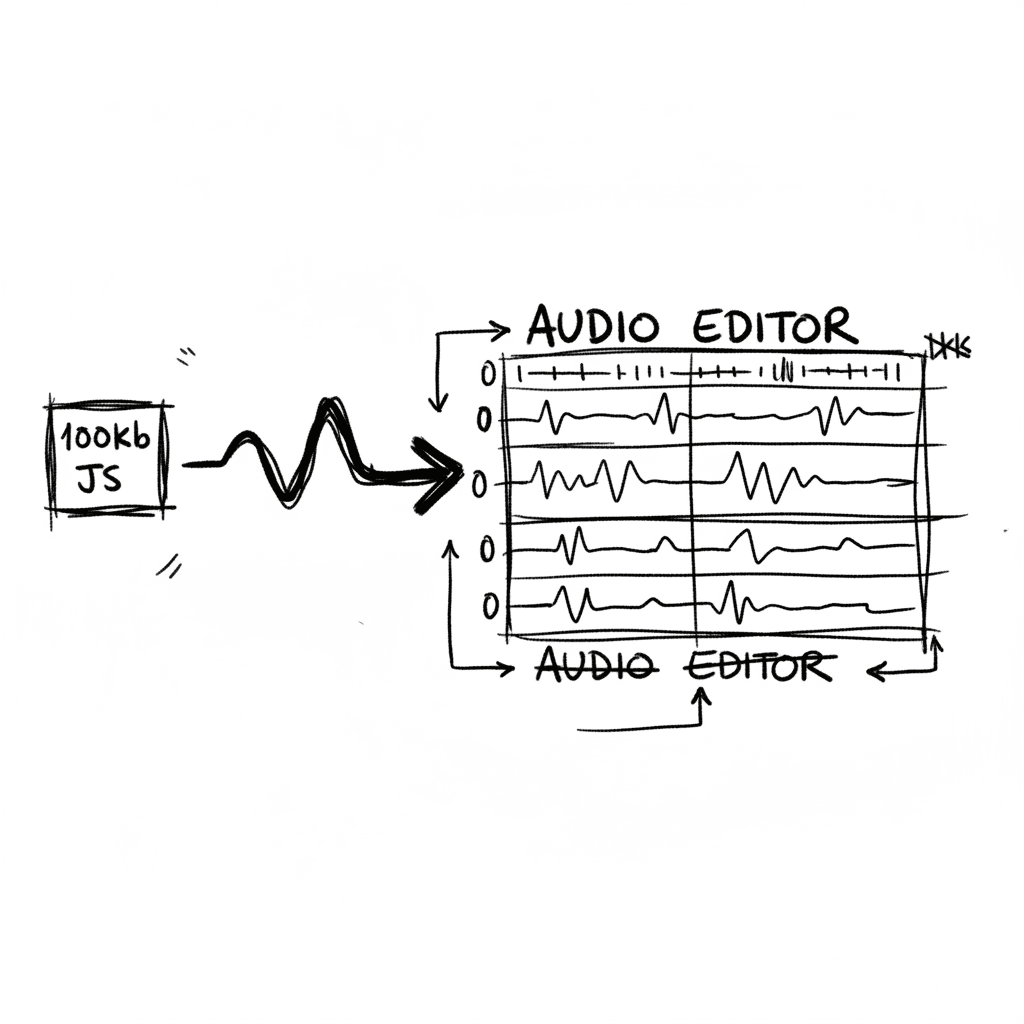
Audiomass: Multitrack Audio Editing via 100kb of Vanilla JavaScript
Audiomass is a browser-based, multitrack audio editor that operates entirely client-side with a remarkably small 100kb footprint (audiomass.co). It provides a workflow reminiscent of classic editors l
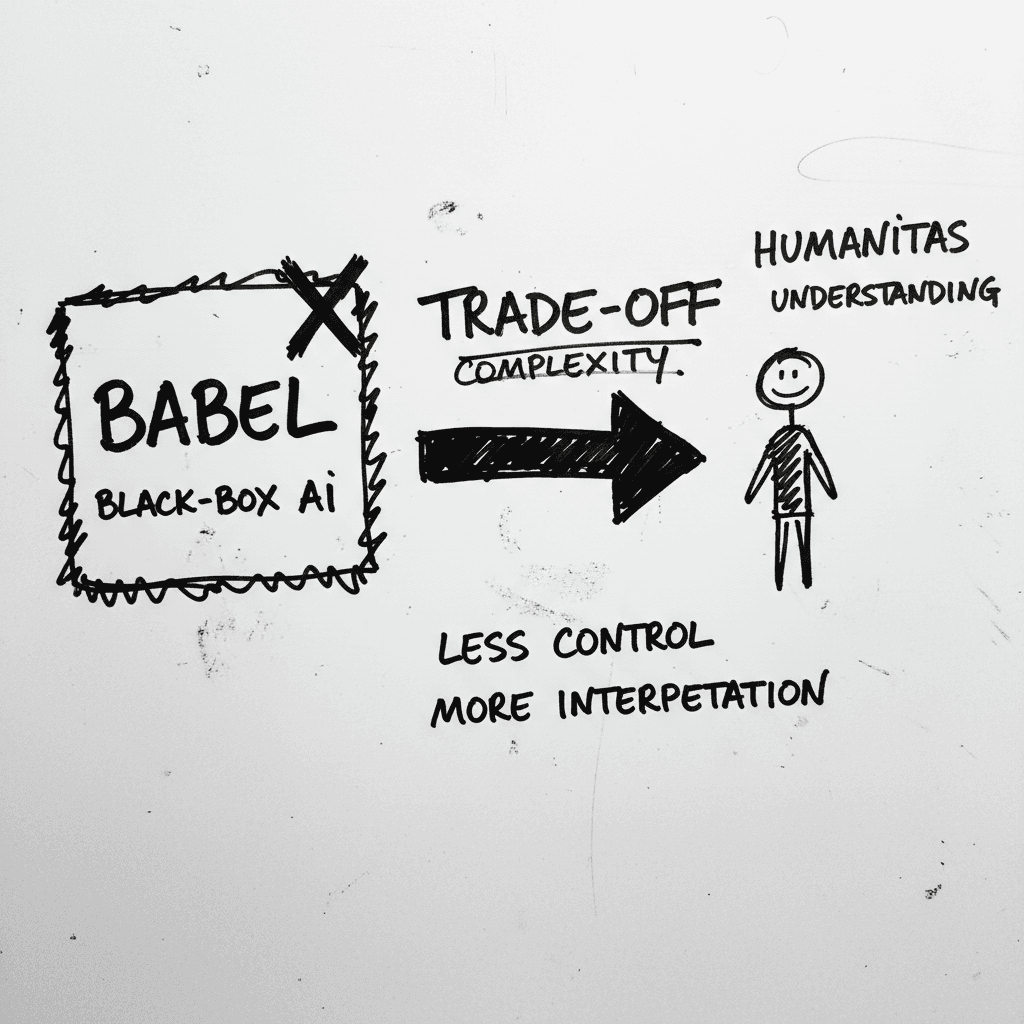
Magnifica Humanitas: The Vatican’s Framework for the GPT-5 Era
The document, signed May 15 and officially released today, was presented at the Vatican alongside Christopher Olah, co-founder of Anthropic and lead of its interpretability team (ncronline.org, Forbes
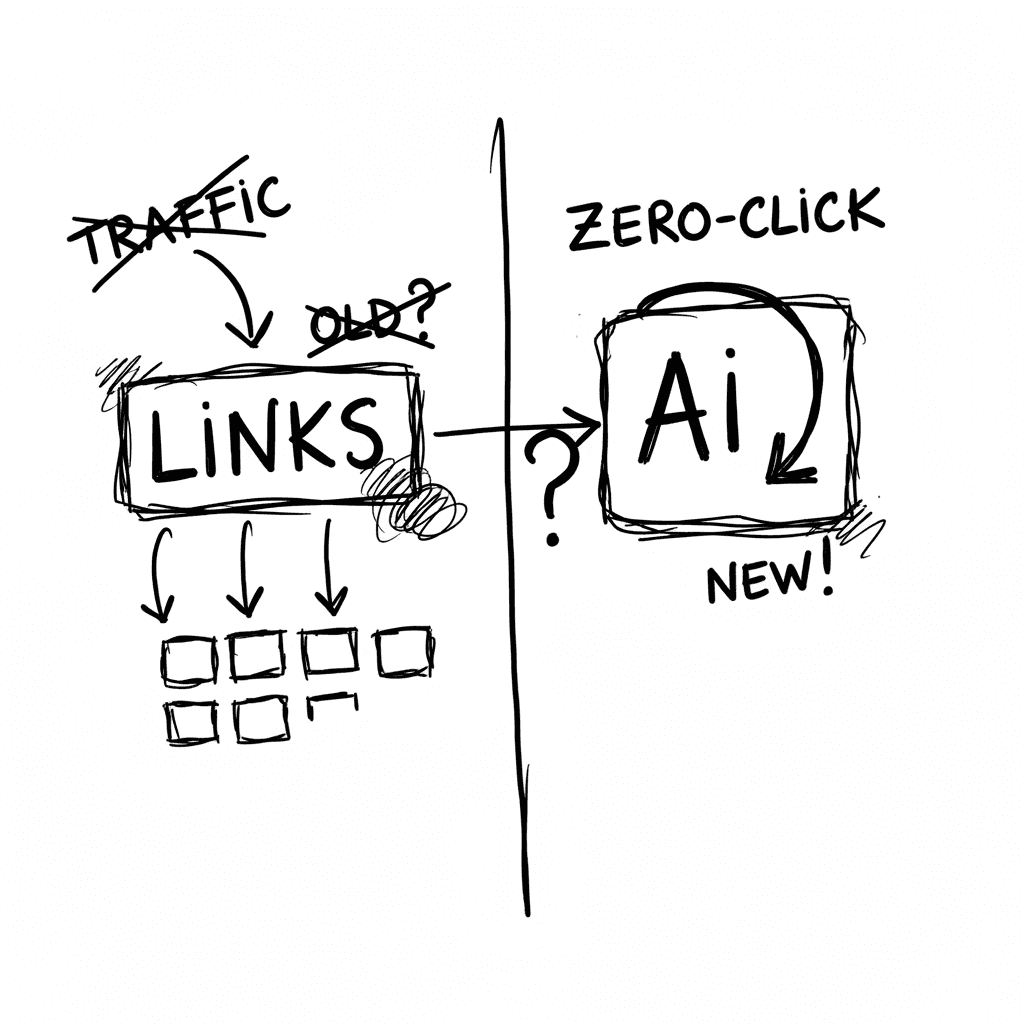
The Zero-Click Economy: Kagi Search vs. Google AI Mode
Google has effectively pivoted to an "answer engine" where Gemini 3.5 Flash provides conversational summaries, while Kagi remains the primary refuge for users seeking a human-centric, ad-free index. W
Stay Ahead of AI Adoption Trends
Get our latest reports and insights delivered to your inbox. No spam, just data.