
The MacBook Neo and the hardware limits of the entry-level machine
The MacBook Neo is Apple’s $599 attempt to reclaim the education and entry-level market from a fragmenting ChromeOS ecosystem. Built around the A18 Pro chip and 8GB of RAM, it is marketed as a "sensib

The Pitch
The MacBook Neo is Apple’s $599 attempt to reclaim the education and entry-level market from a fragmenting ChromeOS ecosystem. Built around the A18 Pro chip and 8GB of RAM, it is marketed as a "sensible" device for students rather than a professional workstation (source: samhenri.gold).
Under the Hood
The Neo’s technical utility is defined by its refusal to use software as a gatekeeper. While reviewers suggest it cannot handle professional workloads like Xcode, the machine runs a full, unrestricted version of macOS (source: samhenri.gold).
Current technical observations include:
* The A18 Pro is a mobile-class chip, which likely leads to thermal throttling during sustained renders in Blender or Final Cut Pro (Article Context).
* An 8GB RAM configuration in 2026 is a severe bottleneck for modern LLM-integrated IDEs and local inference (HN Comment).
* Google’s January 2026 termination of "Steam for Chromebook" support has positioned the Neo as a more capable alternative for light gaming and development (Wikipedia 2026).
* ChromeOS is currently being phased out in favor of the Android-based "Aluminium OS" project, which leans toward further local file restrictions (Wikipedia 2026).
We don't know yet how the Neo performs under specific 2026 AI workload benchmarks. Furthermore, the exact roadmap for "Aluminium OS" remains unclear, making a direct comparison of long-term OS stability difficult (UsedBy Dossier).
Marcus's Take
The MacBook Neo is a "tinker's laptop" disguised as a budget machine. While 8GB of RAM is an insult to any engineer running local GPT-5 agents or complex containerized environments, the Neo is preferable to the locked-down "Aluminium OS" alternatives. It allows a user to actually hit the silicon ceiling rather than being stopped by a software "permission slip." It is not a primary machine for a backend lead, but it is the first $600 Mac that doesn't feel like a toy. Skip it for prod, but buy it for your junior devs who need to learn how to optimize code for constrained environments.
Ship clean code,
Marcus.
Marcus Webb - Senior Backend Analyst at UsedBy.ai
Related Articles
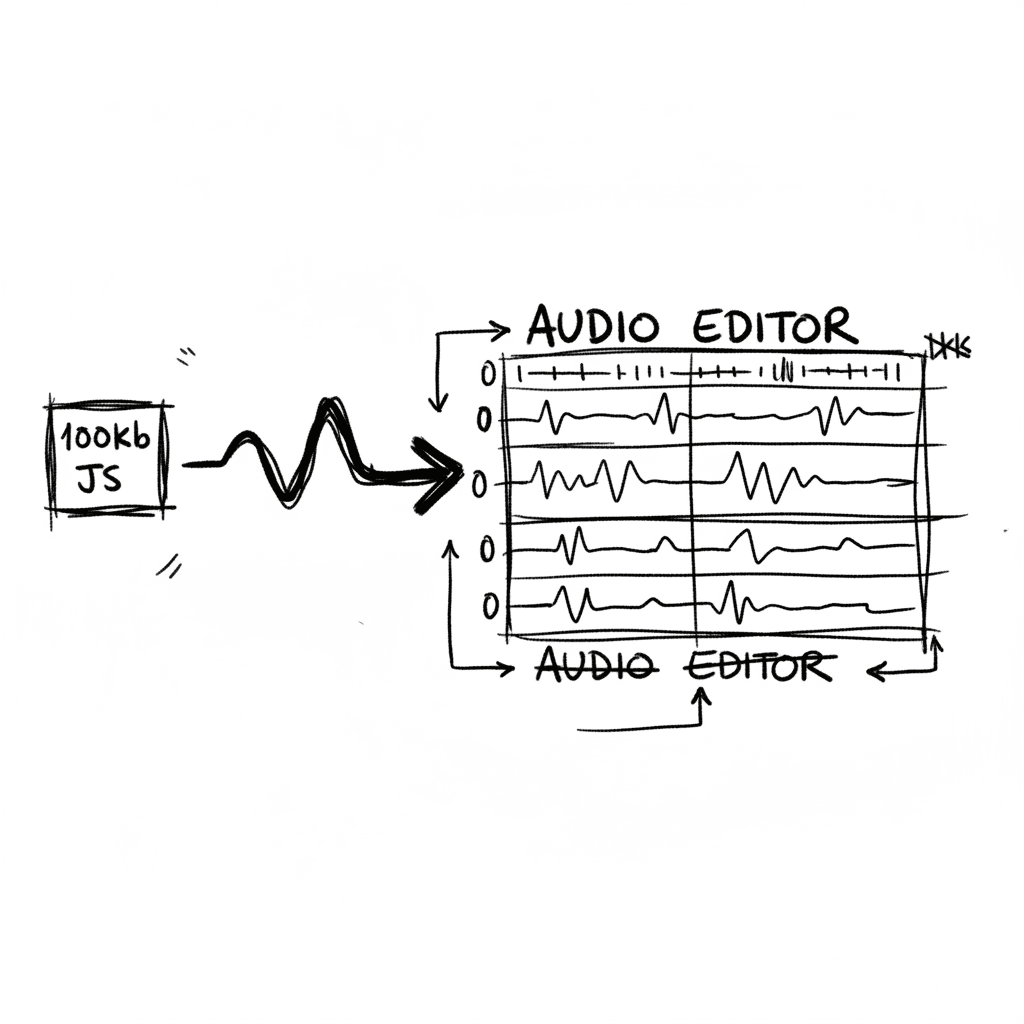
Audiomass: Multitrack Audio Editing via 100kb of Vanilla JavaScript
Audiomass is a browser-based, multitrack audio editor that operates entirely client-side with a remarkably small 100kb footprint (audiomass.co). It provides a workflow reminiscent of classic editors l
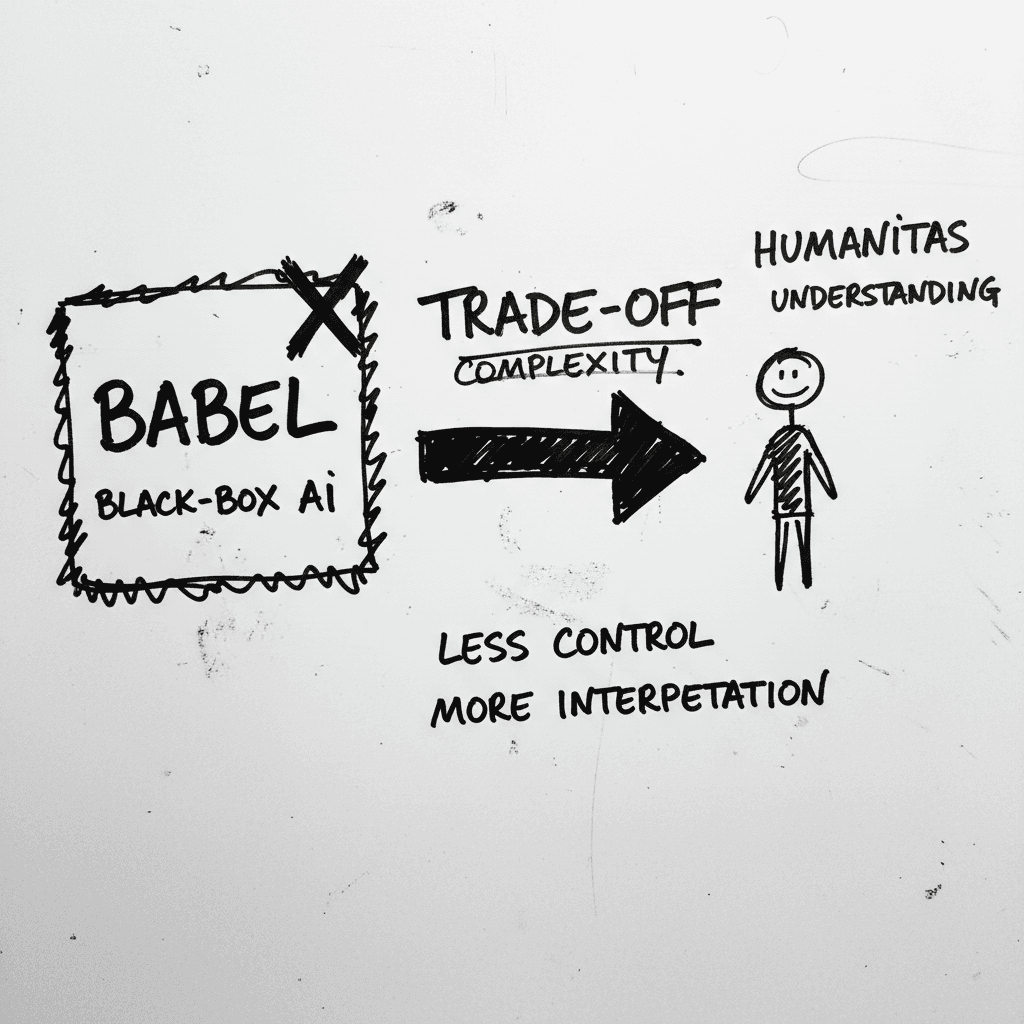
Magnifica Humanitas: The Vatican’s Framework for the GPT-5 Era
The document, signed May 15 and officially released today, was presented at the Vatican alongside Christopher Olah, co-founder of Anthropic and lead of its interpretability team (ncronline.org, Forbes
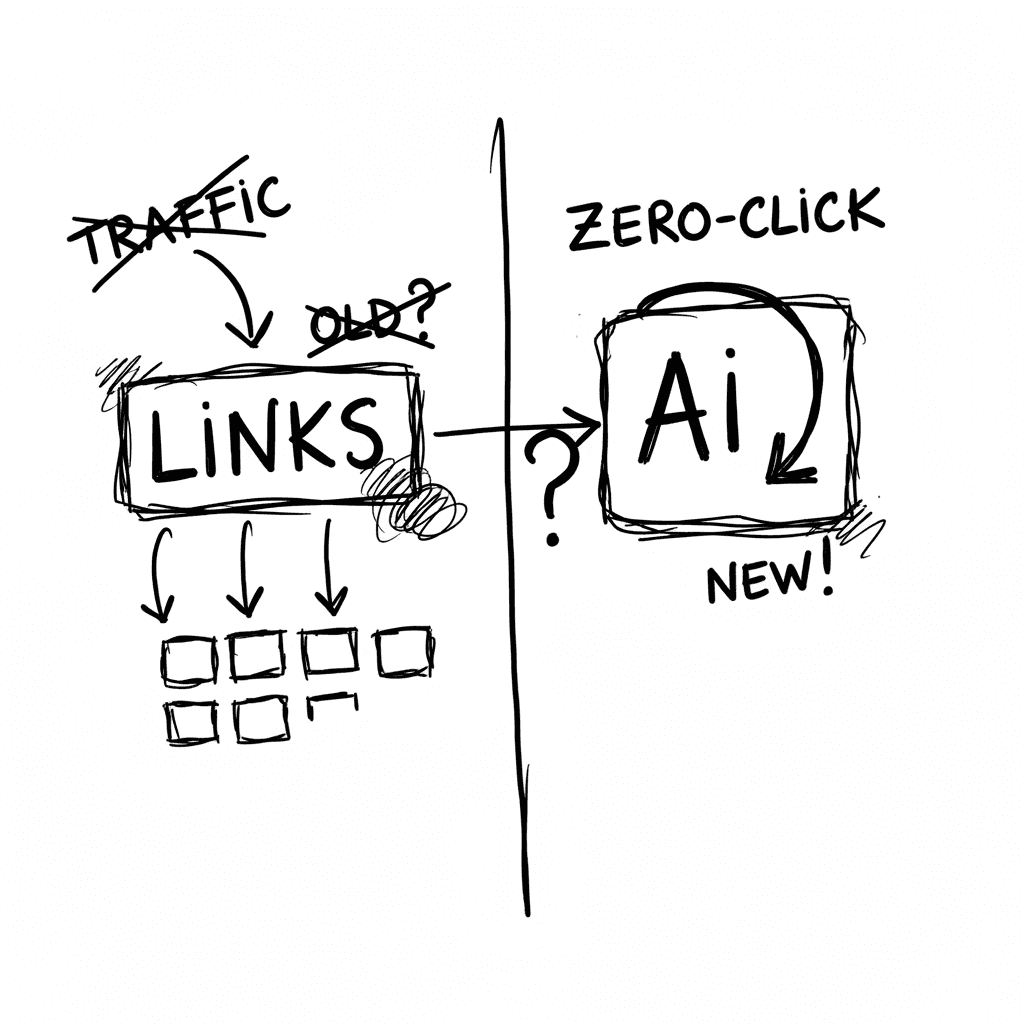
The Zero-Click Economy: Kagi Search vs. Google AI Mode
Google has effectively pivoted to an "answer engine" where Gemini 3.5 Flash provides conversational summaries, while Kagi remains the primary refuge for users seeking a human-centric, ad-free index. W
Stay Ahead of AI Adoption Trends
Get our latest reports and insights delivered to your inbox. No spam, just data.