
The Zero-Click Economy: Kagi Search vs. Google AI Mode
Google has effectively pivoted to an "answer engine" where Gemini 3.5 Flash provides conversational summaries, while Kagi remains the primary refuge for users seeking a human-centric, ad-free index. W

The Pitch
Google has effectively pivoted to an "answer engine" where Gemini 3.5 Flash provides conversational summaries, while Kagi remains the primary refuge for users seeking a human-centric, ad-free index. While Kagi prioritizes speed and security, it faces growing friction over its recent $5/month pricing tier limits.
Under the Hood
Google’s transition to AI Overviews has fundamentally altered the search landscape, with these summaries now appearing on approximately 25% of all queries (Digital Applied, 2026). This shift has pushed zero-click rates to 43% generally, and as high as 93% when users engage specifically with AI Mode (Digital Applied, 2026).
Kagi continues to market its independent index, yet remains partially dependent on upstream sources like Google and Bing (Kagi Docs). This "wrapper" risk is a persistent talking point on r/SearchKagi, especially as users demand a dedicated "Unlimited No-AI" plan at the $5-10 price point to avoid being forced into integrated AI assistants.
Security remains a strong suit for Kagi, which passed an independent audit by Illumant in March 2026 with a "Highly Secure" rating (Al Wilde, 2026). In contrast, Google's AI summaries are heavily monetized, with ads present in 25.5% of all AI-generated overviews (Digital Applied, 2026).
Regarding the broader market:
* ChatGPT Search now captures ~12% of Google's search volume but delivers 190x less referral traffic to external sites (Digital Applied, 2026).
* Organic CTR for content creators has plummeted by 61% on queries featuring AI Overviews (Sedestral, 2026).
* Cloudflare’s "Project Glasswing" uses Anthropic’s Mythos model for vulnerability hunting, but they have not launched a search engine (Cloudflare Blog, 2026).
* We don't know the long-term sustainability of Uruky as no official traffic or funding data is currently public.
* Internal conversion rates for niche search ad platforms in 2026 remain unavailable.
Google’s model is increasingly optimized for ad impressions rather than discovery. If you enjoy scrolling through 25% sponsored content to find a hallucinated summary, it works perfectly.
Marcus's Take
Google is now an advertising platform that occasionally provides facts, making it useless for backend engineers who need precise documentation. Kagi is the only viable tool for professional work, despite the dependency on upstream APIs and the annoying 300-search limit on entry-level tiers. Use Kagi for your daily driver and keep an eye on their API stability; paying for the "Unlimited" tier is a necessary tax to avoid the SEO-slop that Gemini 3.5 now prioritizes.
Ship clean code,
Marcus.
Marcus Webb - Senior Backend Analyst at UsedBy.ai
Related Articles
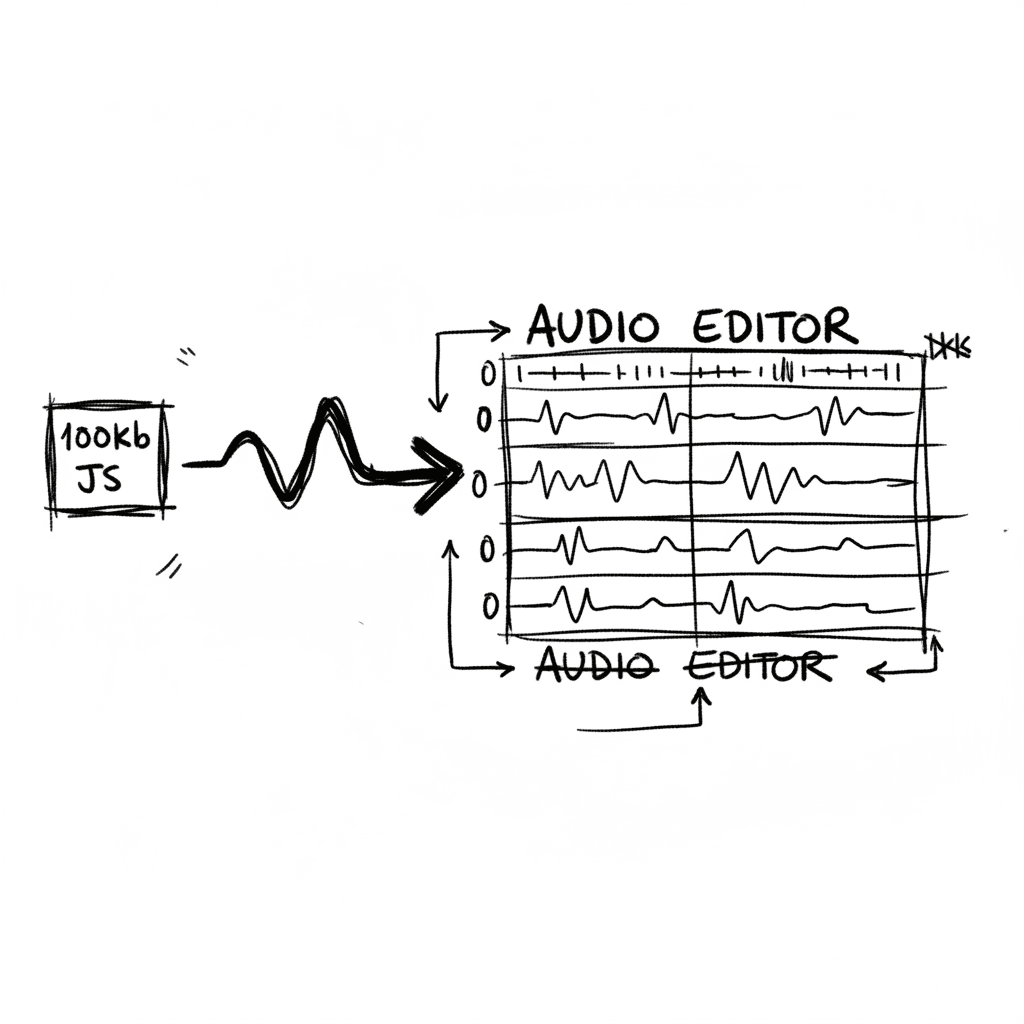
Audiomass: Multitrack Audio Editing via 100kb of Vanilla JavaScript
Audiomass is a browser-based, multitrack audio editor that operates entirely client-side with a remarkably small 100kb footprint (audiomass.co). It provides a workflow reminiscent of classic editors l
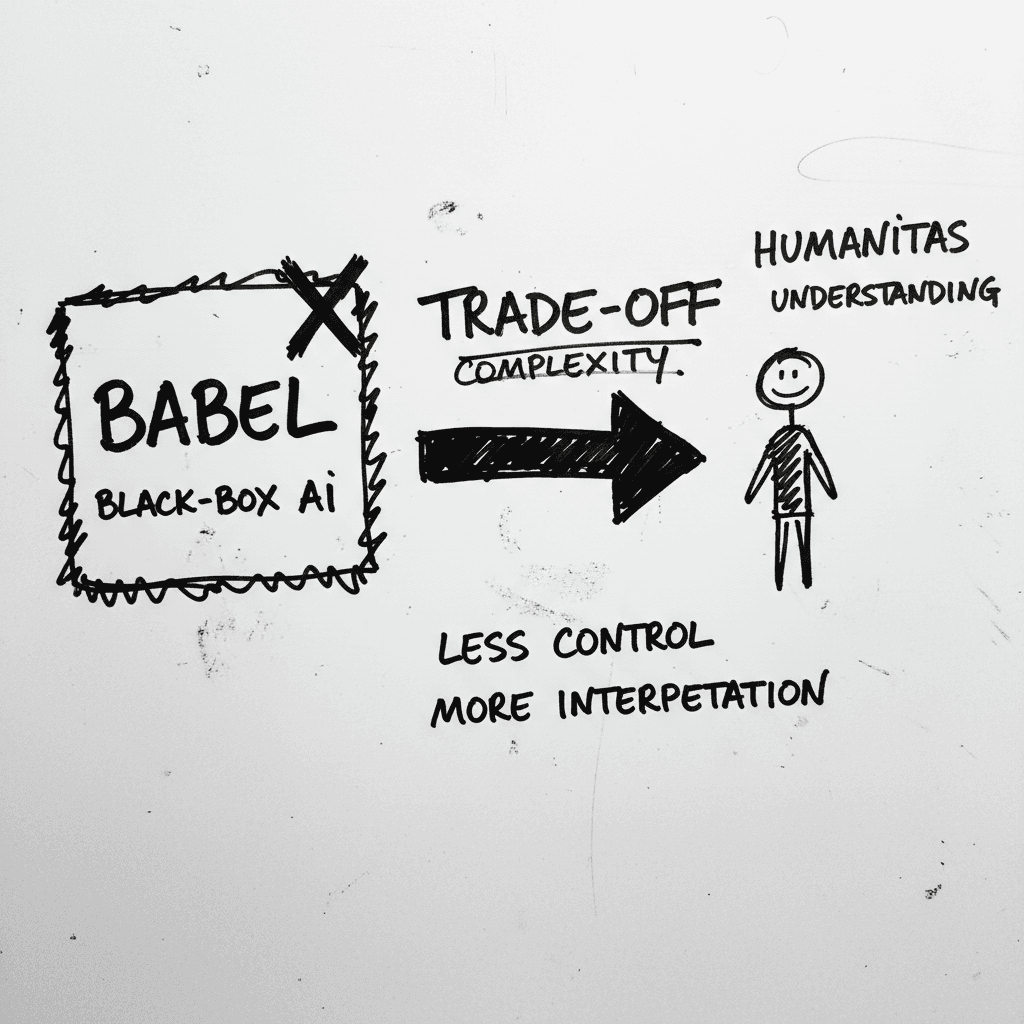
Magnifica Humanitas: The Vatican’s Framework for the GPT-5 Era
The document, signed May 15 and officially released today, was presented at the Vatican alongside Christopher Olah, co-founder of Anthropic and lead of its interpretability team (ncronline.org, Forbes
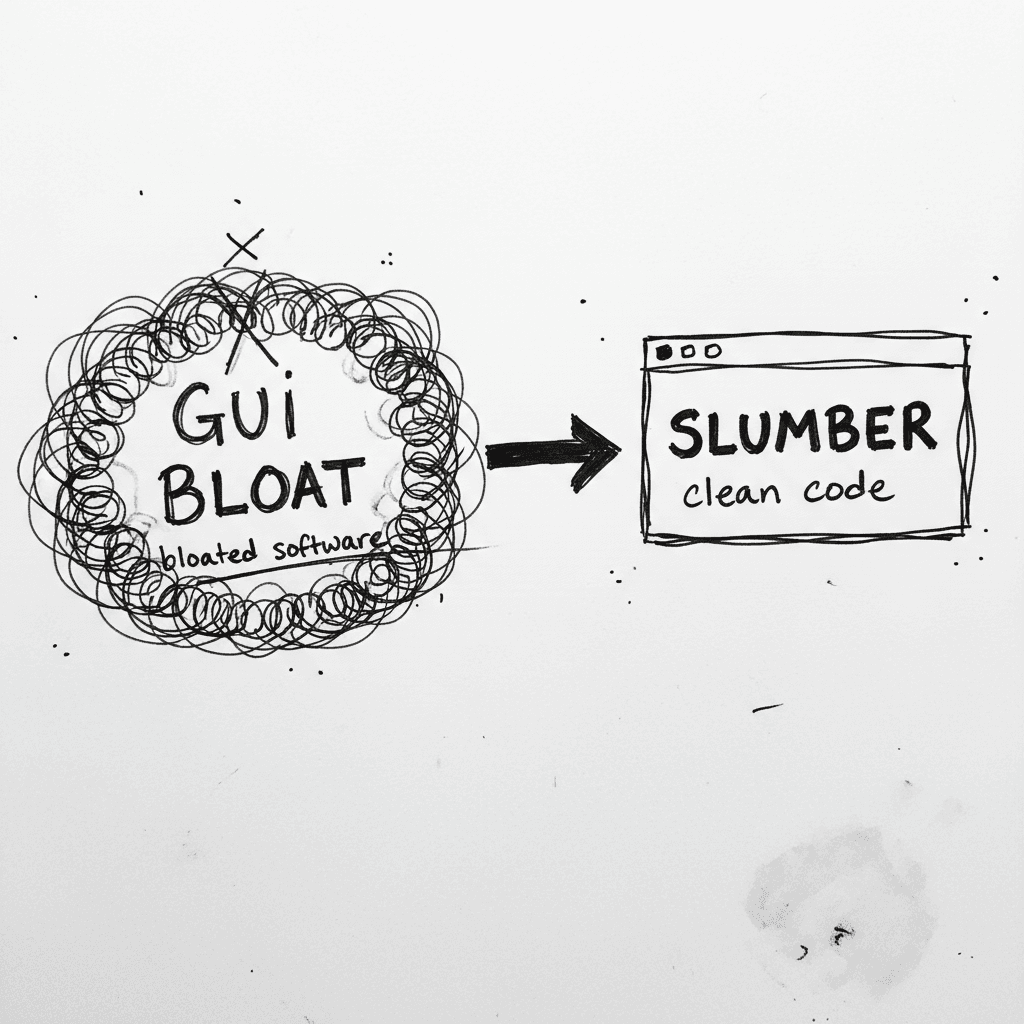
Slumber: A Rust-Based Terminal Alternative to Postman
Slumber utilizes the Ratatui framework and a local SQLite backend to provide a configuration-first HTTP client that resides entirely in the terminal (GitHub: LucasPickering/slumber). It targets senior
Stay Ahead of AI Adoption Trends
Get our latest reports and insights delivered to your inbox. No spam, just data.