
Thomas Habets on the Impossibility of Valid C
Thomas Habets argues that the C programming language is fundamentally invalid because its formal specification defines almost every complex operation as Undefined Behavior (UB). This has triggered sig

The Pitch
Thomas Habets argues that the C programming language is fundamentally invalid because its formal specification defines almost every complex operation as Undefined Behavior (UB). This has triggered significant debate on Hacker News, as developers grapple with the reality that writing "formally correct" C is nearly impossible under modern standards.
Under the Hood
The ISO C23 standard (ISO/IEC 9899:2024) has tightened restrictions, turning previously common patterns like realloc(ptr, 0) into formal Undefined Behavior (source: i-programmer.info). This shift means legacy codebases migrating to C23 or the upcoming C2y face silent failures as compilers become more aggressive.
Unaligned pointer casting is now classified as UB even if no memory access occurs, a nuance often missed by developers relying on older C11 or C17 assumptions (source: HN). Furthermore, volatile reads are classified as side effects under section 5.1.2.4.1, leading to surprising UB in unsequenced expressions (source: HN).
Modern compilers like GCC 16 and Clang 22 leverage these UB definitions for extreme optimizations. These optimizations can "erase" safety checks that were perfectly functional in older environments, creating a widening gap between "what works on my machine" and "valid C" (UsedBy Dossier).
Current reasoning-based tools like Claude 4.5 Opus and GPT-5 have shifted the security landscape by identifying these deep UB bugs that traditional static analyzers miss (source: devops.com). Companies like Notion, DuckDuckGo, and Quora currently use the Claude Code Security suite to audit these specific scenarios.
See Claude profile
We don't know yet how the WG14 committee will respond to the Habets article. Additionally, a comprehensive benchmark comparing Claude 4.5 Opus and GPT-5 performance on the "TrapC" memory-safe fork analysis is not yet public (UsedBy Dossier).
Marcus's Take
Habets is technically correct, but his conclusion is predictably sensationalist for a Google engineer. Production systems have never survived on pure ISO-compliant C; they survive on implementation-defined behavior and specific GCC/Clang flags that override the standard's more pedantic traps. If you are starting a new project in 2026 and still choosing C over a memory-safe alternative, you are essentially signing a contract to spend your weekends debugging pointer provenance.
Ship clean code,
Marcus.
Marcus Webb - Senior Backend Analyst at UsedBy.ai
Related Articles
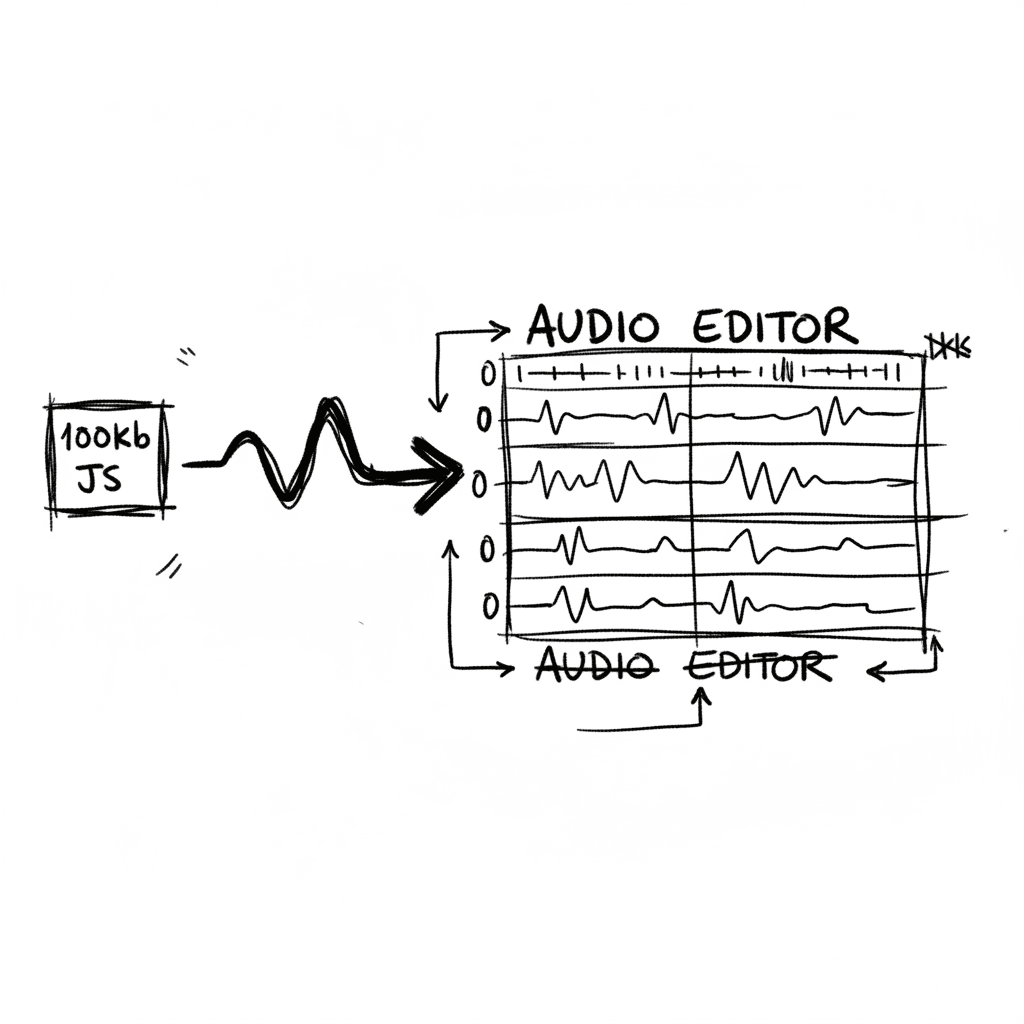
Audiomass: Multitrack Audio Editing via 100kb of Vanilla JavaScript
Audiomass is a browser-based, multitrack audio editor that operates entirely client-side with a remarkably small 100kb footprint (audiomass.co). It provides a workflow reminiscent of classic editors l
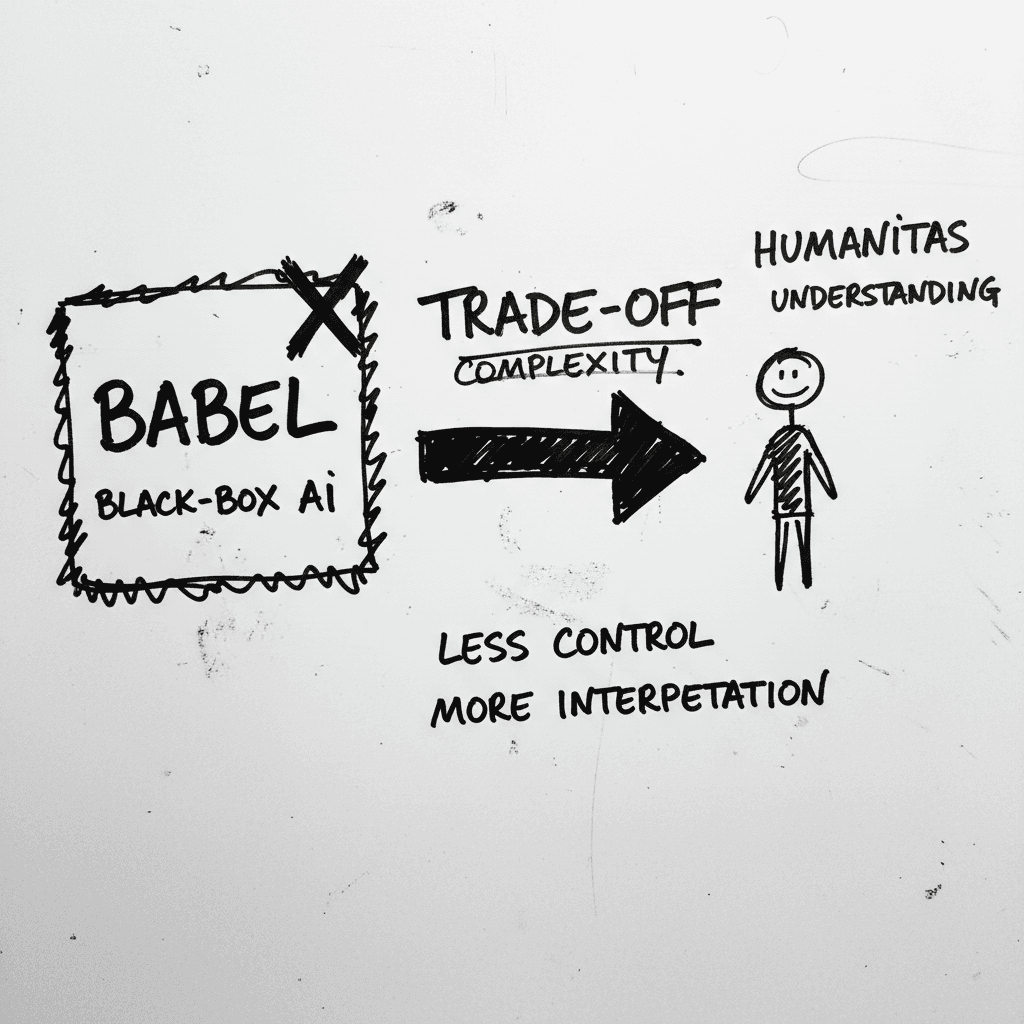
Magnifica Humanitas: The Vatican’s Framework for the GPT-5 Era
The document, signed May 15 and officially released today, was presented at the Vatican alongside Christopher Olah, co-founder of Anthropic and lead of its interpretability team (ncronline.org, Forbes
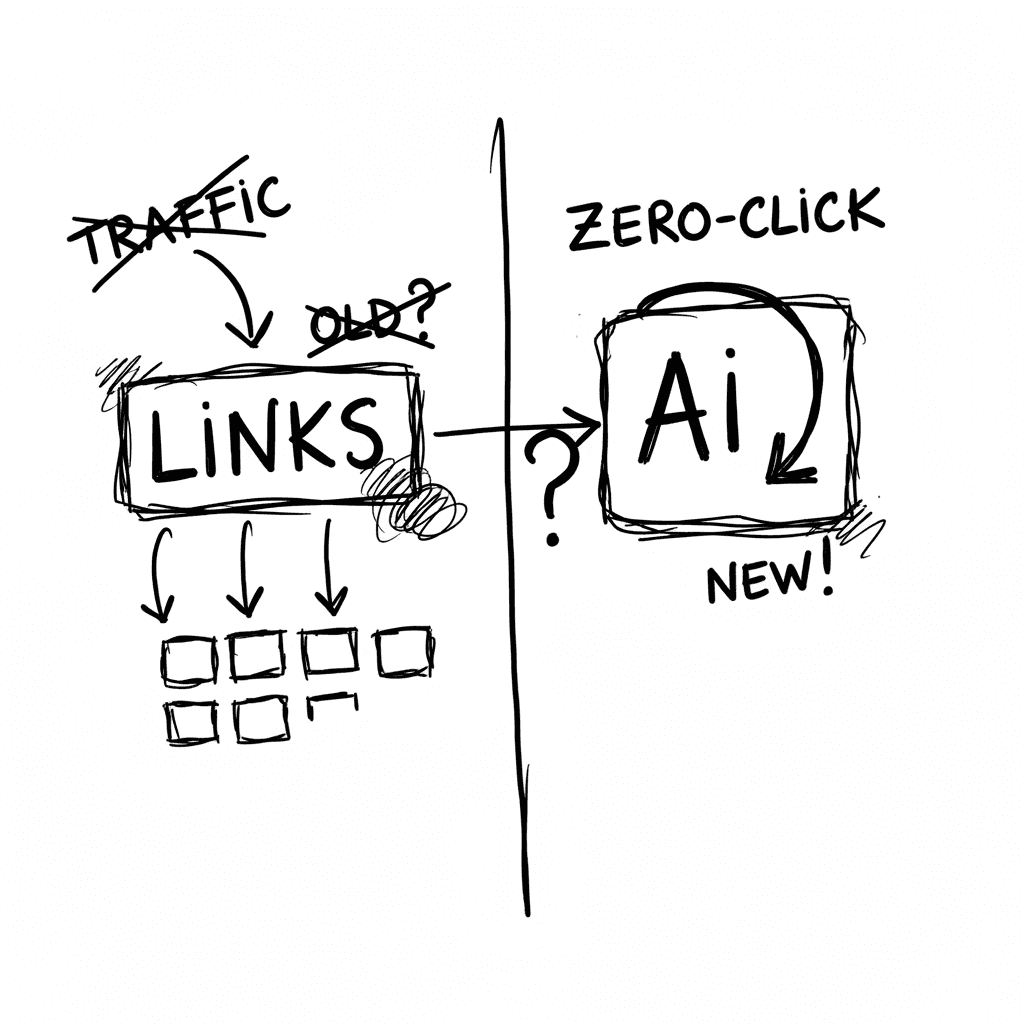
The Zero-Click Economy: Kagi Search vs. Google AI Mode
Google has effectively pivoted to an "answer engine" where Gemini 3.5 Flash provides conversational summaries, while Kagi remains the primary refuge for users seeking a human-centric, ad-free index. W
Stay Ahead of AI Adoption Trends
Get our latest reports and insights delivered to your inbox. No spam, just data.