
Tin Can: A Proprietary VoIP Stack Disguised as Kids' Safety Hardware
Tin Can is a proprietary VoIP-over-Wi-Fi device marketed as a screen-free "landline" for children to communicate with a parent-approved whitelist. Following a $12M Series A led by Greylock Partners in

The Pitch
Tin Can is a proprietary VoIP-over-Wi-Fi device marketed as a screen-free "landline" for children to communicate with a parent-approved whitelist. Following a $12M Series A led by Greylock Partners in late 2025, the company has positioned itself as the hardware-first solution for parents looking to bypass the smartphone ecosystem. (Business Insider, Jan 2026).
Under the Hood
The hardware retails for $75, but the actual utility is locked behind a $9.99/month "Party Line" subscription required to contact non-Tin Can numbers. (GeekWire, April 2025). While the marketing leans heavily on the reliability of the traditional landline, the underlying infrastructure is an app-dependent Wi-Fi service. This architectural choice proved fragile during the 2025 holiday season when a 100x spike in call volume triggered a total service collapse. (Business Insider, Jan 2026).
Data handling practices contrast sharply with the "safe" branding of the product. Section 3.C of the Tin Can privacy policy explicitly states the company collects voice audio and call logs during use. (Hacker News / Tin Can Policy). More concerning for privacy advocates is the company's legal maneuvering; they filed FCC Petition Docket 25-288 in May 2025, seeking exemption from Title II VoIP safety and privacy regulations. (CCMI, Sept 2025).
If successful, this filing would allow Tin Can to bypass strict Customer Proprietary Network Information (CPNI) protections. (UsedBy Dossier). Physically, the unit relies on a 10-foot USB power cable which early adopters have identified as a significant tripping and entanglement hazard for the target age group. (Reddit, Jan 2026).
We don't know yet if the voice data stored on their servers utilizes end-to-end encryption. (UsedBy Dossier). Furthermore, the company has not published the results of any third-party security audits or COPPA-compliance verifications as of March 2026. There is also no public documentation regarding their data retention schedule for processed voice audio or voicemails.
Marcus's Take
Skip it. Tin Can is selling a nostalgic aesthetic to mask a poorly scaled VoIP service and a concerning legal agenda. Any company lobbying the FCC to dodge privacy regulations while simultaneously recording children's audio is a liability, not a safety tool. Until they provide a transparent E2EE implementation and resolve their scaling issues, this is just a $75 paperweight with a 10-foot tripping hazard.
Ship clean code,
Marcus.
Marcus Webb - Senior Backend Analyst at UsedBy.ai
Related Articles

Audiomass: Multitrack Audio Editing via 100kb of Vanilla JavaScript
Audiomass is a browser-based, multitrack audio editor that operates entirely client-side with a remarkably small 100kb footprint (audiomass.co). It provides a workflow reminiscent of classic editors l
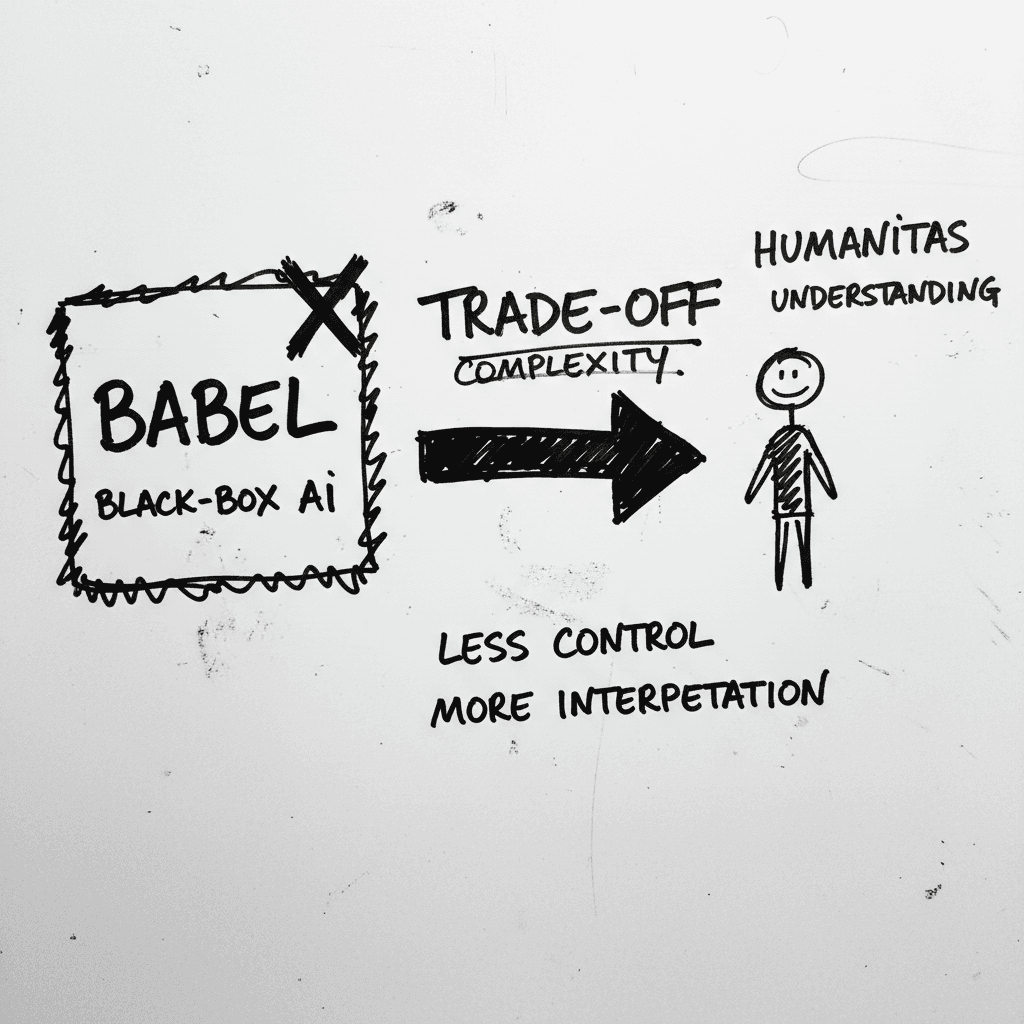
Magnifica Humanitas: The Vatican’s Framework for the GPT-5 Era
The document, signed May 15 and officially released today, was presented at the Vatican alongside Christopher Olah, co-founder of Anthropic and lead of its interpretability team (ncronline.org, Forbes
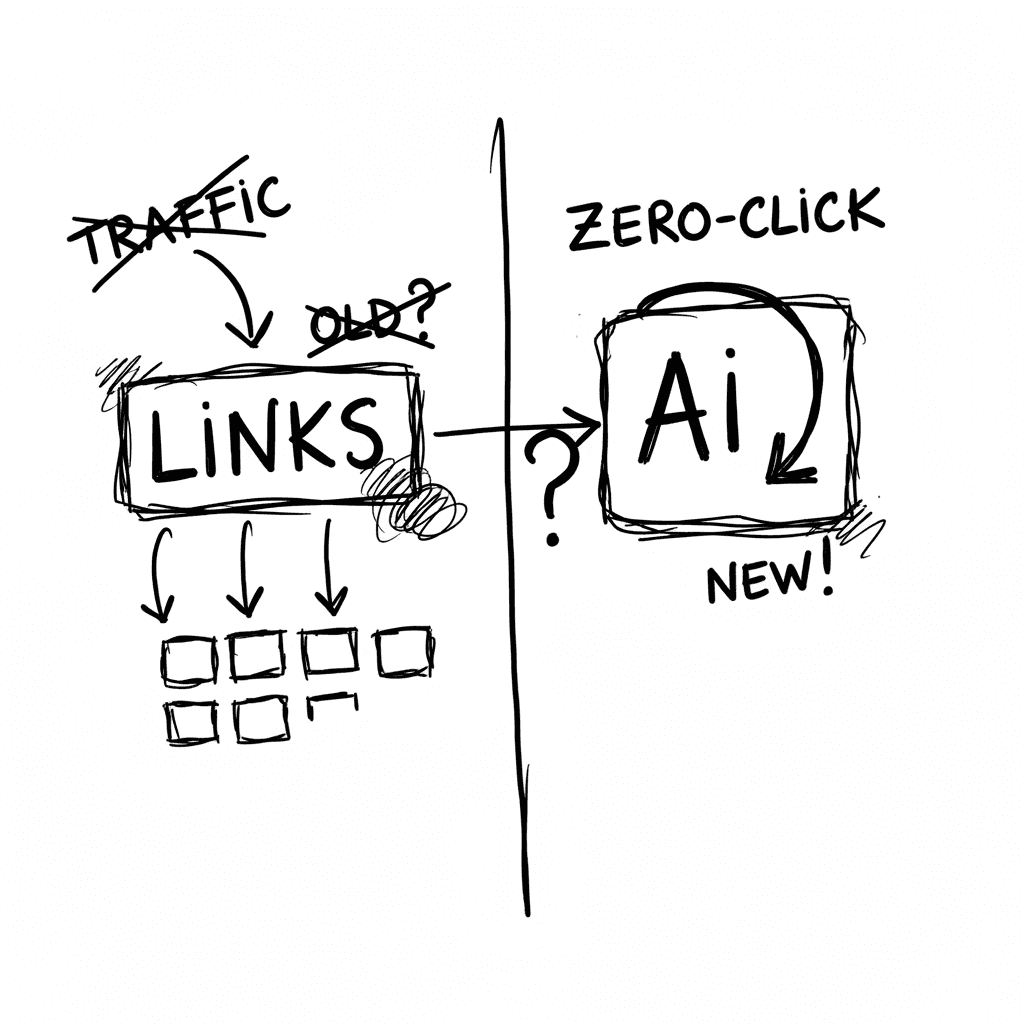
The Zero-Click Economy: Kagi Search vs. Google AI Mode
Google has effectively pivoted to an "answer engine" where Gemini 3.5 Flash provides conversational summaries, while Kagi remains the primary refuge for users seeking a human-centric, ad-free index. W
Stay Ahead of AI Adoption Trends
Get our latest reports and insights delivered to your inbox. No spam, just data.