
Wikipedia Explorer and the Spatial Mapping of MediaWiki APIs
Wikipedia Explorer maps the entirety of Wikipedia’s category hierarchy into a functional, spatial folder-and-file system via a high-fidelity web interface (Source: Neowin). By wrapping the MediaWiki A

The Pitch
Wikipedia Explorer maps the entirety of Wikipedia’s category hierarchy into a functional, spatial folder-and-file system via a high-fidelity web interface (Source: Neowin). By wrapping the MediaWiki API, it replaces traditional tab-based navigation with a Windows XP Media Center Edition aesthetic to facilitate deeper research organization (Source: Hacker News).
Under the Hood
The system functions by mapping Wikipedia categories to folders and individual articles to documents within a window-management environment (Source: Neowin). It includes a 'Geofile Explorer' module for geographic-based navigation and a dedicated Media gallery for Wikimedia Commons assets (Source: Neowin). The developer, Sami Smith, utilized inspired UI elements rather than official Microsoft logos to avoid direct copyright infringement (Source: Neowin).
Managing multiple window instances and deep folder trees in a browser environment creates significant performance overhead, leading to higher memory usage than standard text-based browsing (Source: Neowin). We don't know yet what the specific technical stack is, such as whether it utilizes React-Window or a custom spatial library. Furthermore, the public GitHub repository for version 2.0 is not explicitly linked in current 2026 press.
Sustainability is the primary risk, as the tool is a solo enthusiast project with no guaranteed long-term maintenance or hosting. Its functionality is entirely dependent on the continued availability and rate limits of the public MediaWiki API (Source: UsedBy Dossier). Any change to the upstream API's CORS policy or data structure would effectively break the interface.
Marcus's Take
Skip this for professional research and keep it in the "UX curiosity" folder of your bookmarks. While the spatial organization successfully highlights how poorly modern browsers handle deep information hierarchies, the memory leaks and solo-dev dependency make it a liability for actual work. It is a well-executed nostalgia trip, but it is not a production-grade tool.
Ship clean code,
Marcus.
Marcus Webb - Senior Backend Analyst at UsedBy.ai
Related Articles
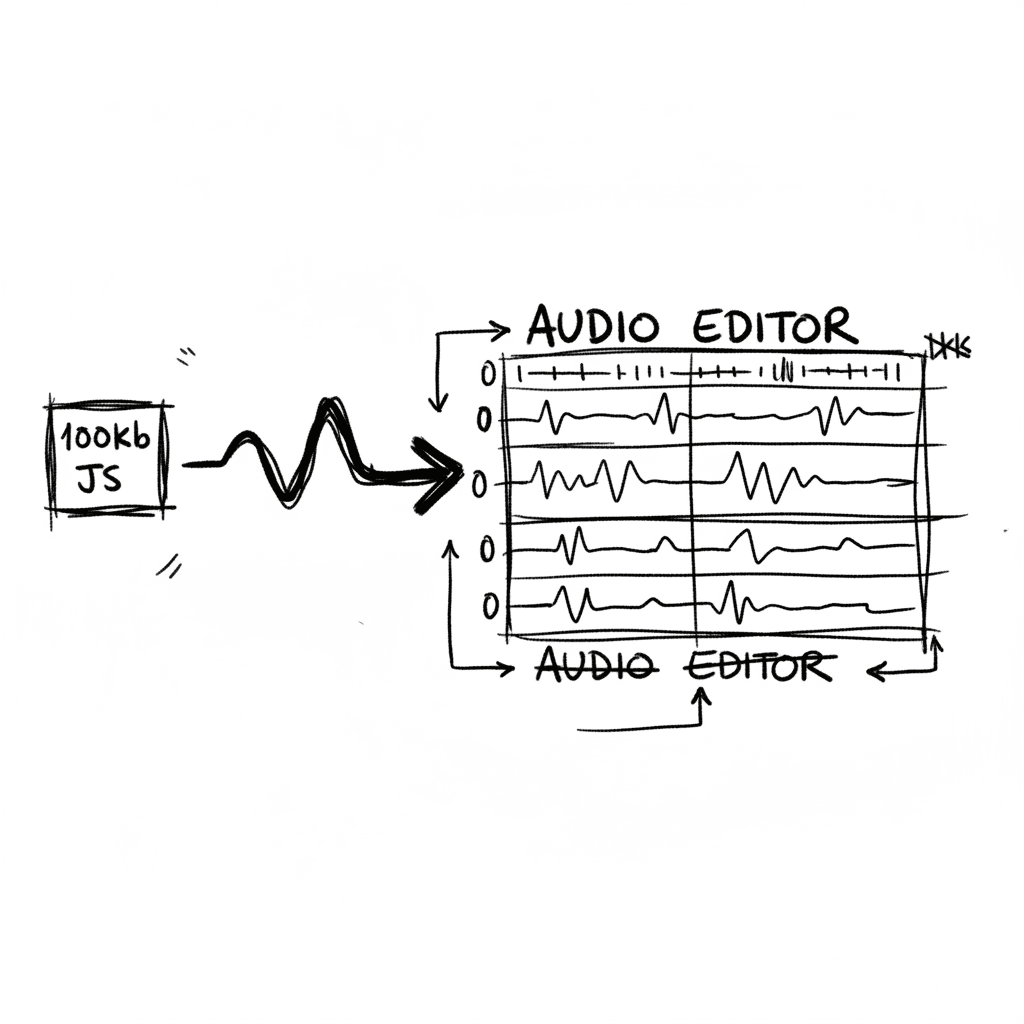
Audiomass: Multitrack Audio Editing via 100kb of Vanilla JavaScript
Audiomass is a browser-based, multitrack audio editor that operates entirely client-side with a remarkably small 100kb footprint (audiomass.co). It provides a workflow reminiscent of classic editors l
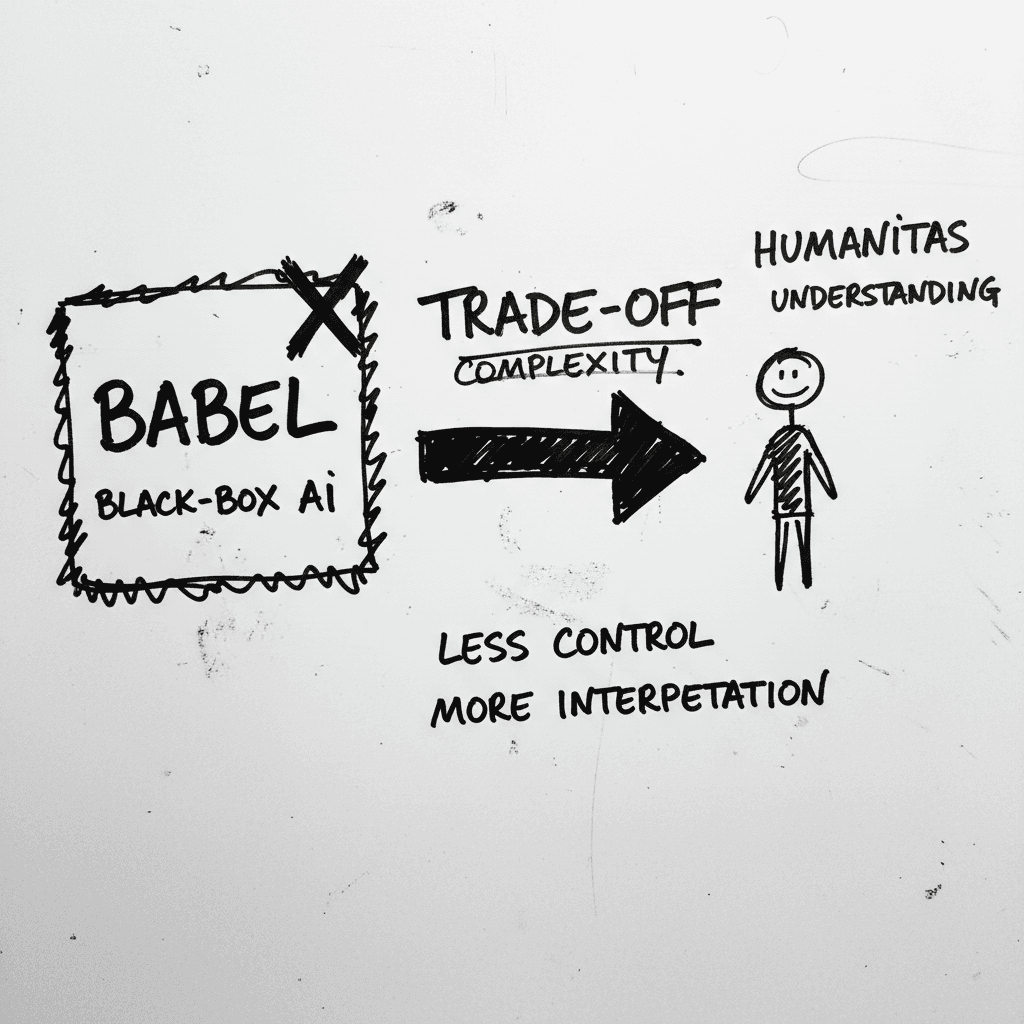
Magnifica Humanitas: The Vatican’s Framework for the GPT-5 Era
The document, signed May 15 and officially released today, was presented at the Vatican alongside Christopher Olah, co-founder of Anthropic and lead of its interpretability team (ncronline.org, Forbes
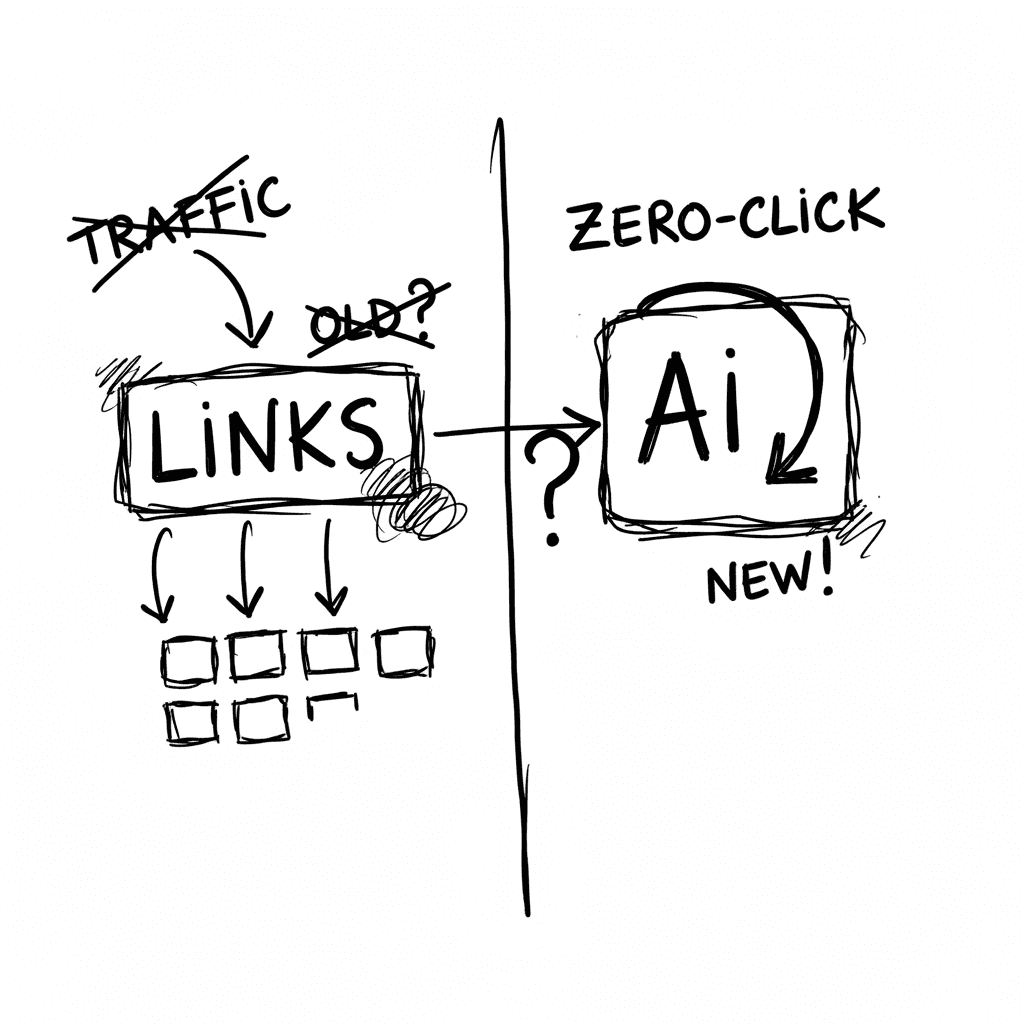
The Zero-Click Economy: Kagi Search vs. Google AI Mode
Google has effectively pivoted to an "answer engine" where Gemini 3.5 Flash provides conversational summaries, while Kagi remains the primary refuge for users seeking a human-centric, ad-free index. W
Stay Ahead of AI Adoption Trends
Get our latest reports and insights delivered to your inbox. No spam, just data.