
9th Circuit Ruling on Email-Based Consent and Mandatory Arbitration
The ruling in case No. 25-403 specifically reversed a lower court decision that had previously protected users from forced arbitration because they had not physically clicked an "agree" button (MetNew

The Pitch
On March 3, 2026, the US Court of Appeals for the 9th Circuit ruled in Ireland-Gordy v. Tile that mass email updates to Terms of Service (TOS) are legally binding. The court determined that a user’s continued use of a service after receiving such an email constitutes consent to new terms, including mandatory arbitration clauses (Court Memorandum).
Under the Hood
The ruling in case No. 25-403 specifically reversed a lower court decision that had previously protected users from forced arbitration because they had not physically clicked an "agree" button (MetNews, 2026). The court found that an email sent to a registered address containing a bolded hyperlink provided "reasonably conspicuous notice" of the changes (Court Memorandum, p. 5). This assumes, of course, that your user’s idea of a good Tuesday is auditing their spam folder for legal literature.
There are significant technical and legal caveats to this decision:
* The disposition is explicitly labeled as "not precedent" under 9th Circuit Rule 36-3 (Court Memorandum, p. 1).
* It creates a "wild-west" environment where this ruling conflicts with stricter "clickwrap" standards set in Godun v. JustAnswer (Eric Goldman Blog).
* For hardware-integrated services like Tile or Life360, the requirement to "stop using the service" to signal non-consent is often technically impractical (HN).
* Users of high-level AI services, such as GPT-5 or Claude 4.5 Opus, risk losing privacy rights via automated mailers they likely never read (UsedBy Dossier).
* We do not know yet how this ruling will interact with the 2025 "Right to Explicit Consent" bills currently moving through state legislatures (UsedBy Dossier).
Marcus's Take
This is a lazy legal victory that creates a massive reliability gap for backend and compliance teams. Relying on "unpublished" memorandums to justify shifting from explicit clickwrap to "consent via inaction" is a high-risk gamble. While it may reduce UX friction for your GPT-5 implementation today, it leaves your company vulnerable to the next judge who decides to follow the Godun precedent instead. Stick to explicit consent modals; a few milliseconds of user friction is significantly cheaper than a class-action lawsuit when your "conspicuous" email ends up in a junk filter.
Ship clean code,
Marcus.
Marcus Webb - Senior Backend Analyst at UsedBy.ai
Related Articles
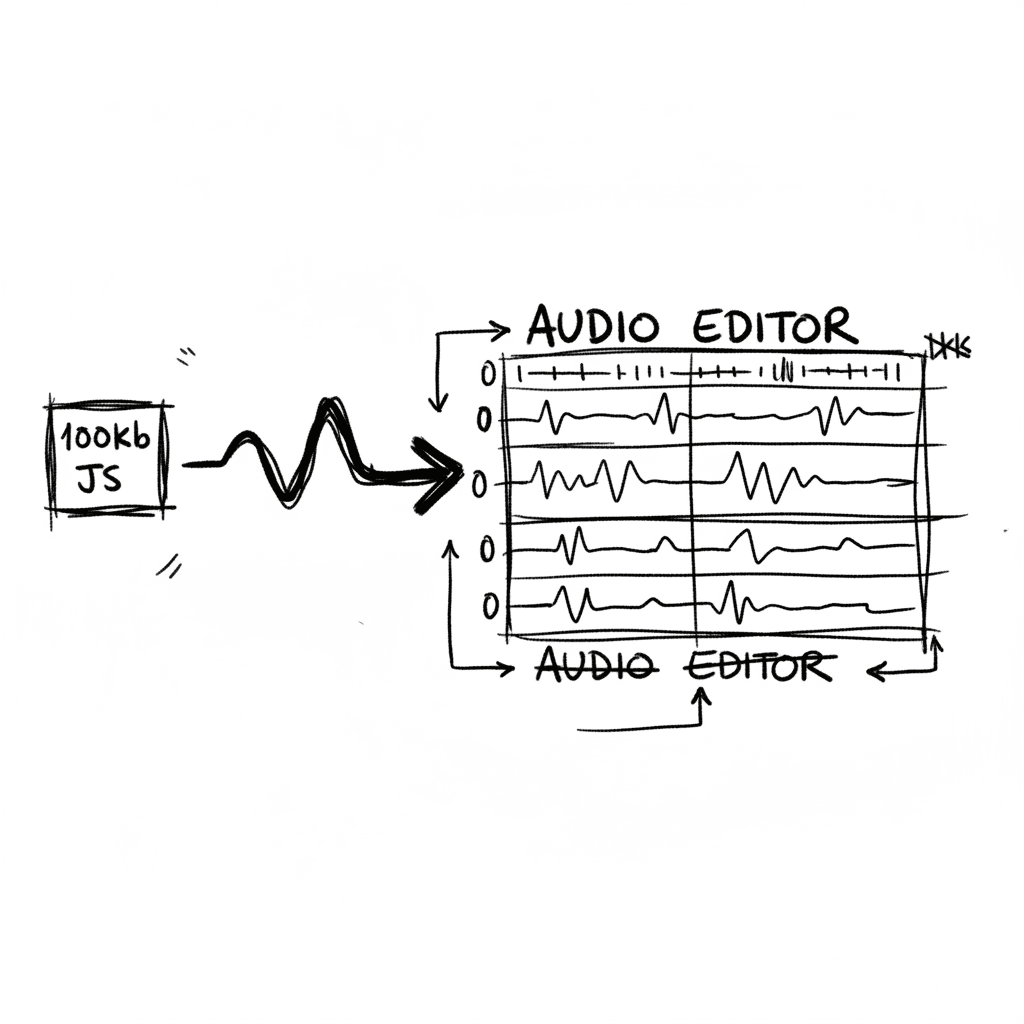
Audiomass: Multitrack Audio Editing via 100kb of Vanilla JavaScript
Audiomass is a browser-based, multitrack audio editor that operates entirely client-side with a remarkably small 100kb footprint (audiomass.co). It provides a workflow reminiscent of classic editors l
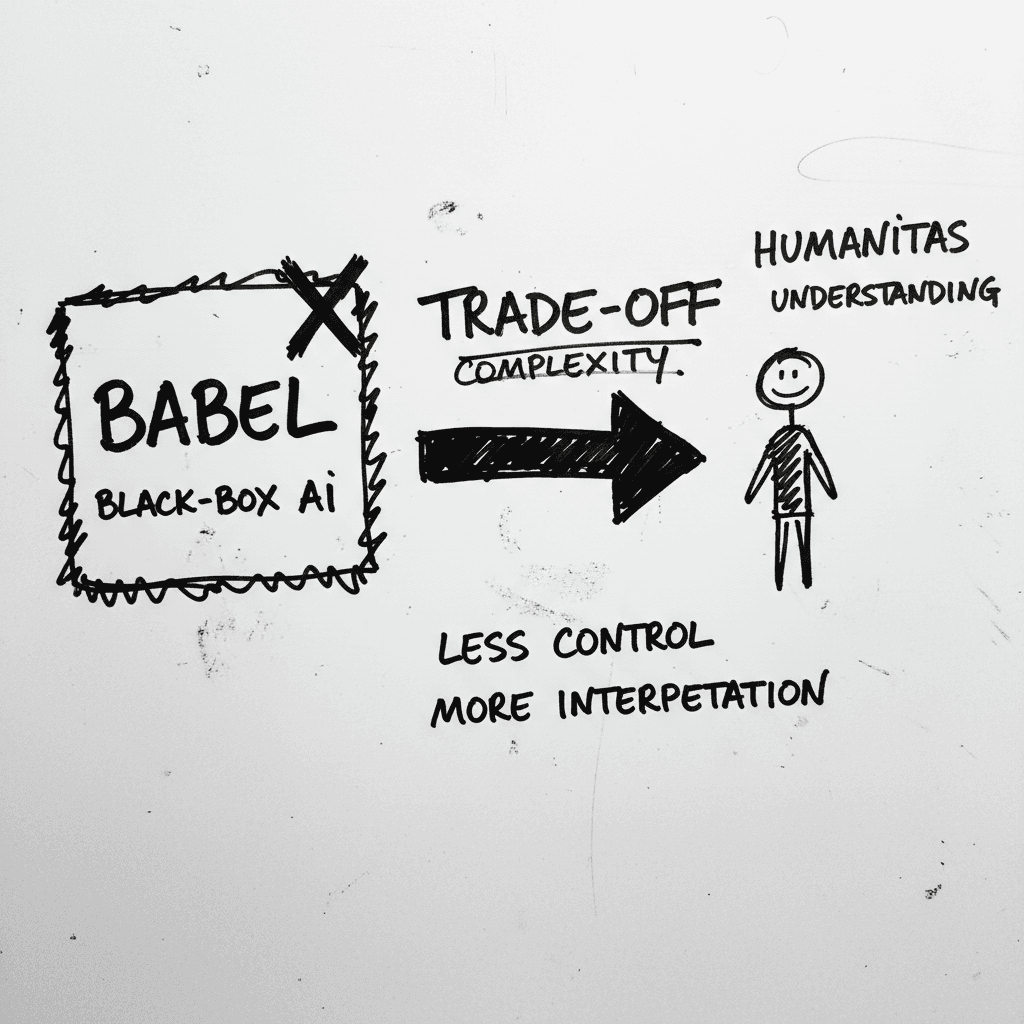
Magnifica Humanitas: The Vatican’s Framework for the GPT-5 Era
The document, signed May 15 and officially released today, was presented at the Vatican alongside Christopher Olah, co-founder of Anthropic and lead of its interpretability team (ncronline.org, Forbes
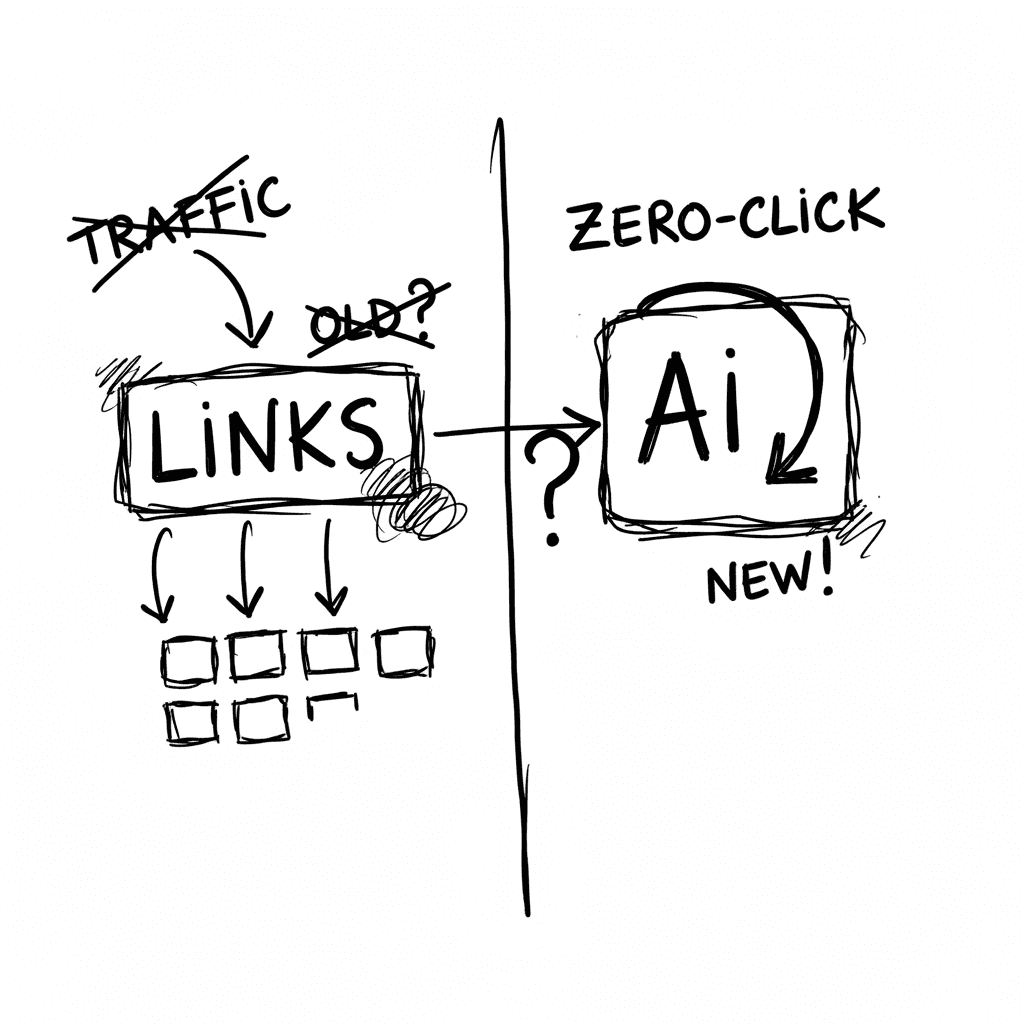
The Zero-Click Economy: Kagi Search vs. Google AI Mode
Google has effectively pivoted to an "answer engine" where Gemini 3.5 Flash provides conversational summaries, while Kagi remains the primary refuge for users seeking a human-centric, ad-free index. W
Stay Ahead of AI Adoption Trends
Get our latest reports and insights delivered to your inbox. No spam, just data.