
Cosmologically Unique IDs 🟡 — On Our Radar
Cosmologically Unique IDs 🟡 — On Our Radar

Status: Under observation
Why we're talking about it: Jason Fantl’s methodology proposes using 798 bits to identify every event in universal history, a concept currently trending with 350+ points on Hacker News (source: HN Thread).
What we know:
- The framework identifies a requirement of 532 bits for every atom in the observable universe and 798 bits for all historical events (source: jasonfantl.com).
- Calculations incorporate Feb 2026 DESI data suggesting a 33-billion-year universe lifespan under a "Big Crunch" model (source: ScienceDaily).
- Author Jason Fantl has a verified background in multi-agent networking for NASA lunar missions (source: jasonfantl.com).
- 512-bit to 800-bit IDs cause significant storage bloat in database indices and network headers compared to the 128-bit UUIDv7 standard (source: UsedBy Dossier).
- For trillion-object agent swarms in the GPT-5 era, 256 bits remains the standard for avoiding collisions before hardware failure (source: UsedBy Dossier).
The unknowns:
- Production performance benchmarks for 768-bit ID indexing in high-concurrency 2026 databases.
- Official RFC drafts or formal standardisation for these specific cosmological bit-depths.
This article will be updated when we have more data. Until then, proceed with caution.
Ship clean code,
Marcus.
Marcus Webb - Senior Backend Analyst at UsedBy.ai
Related Articles
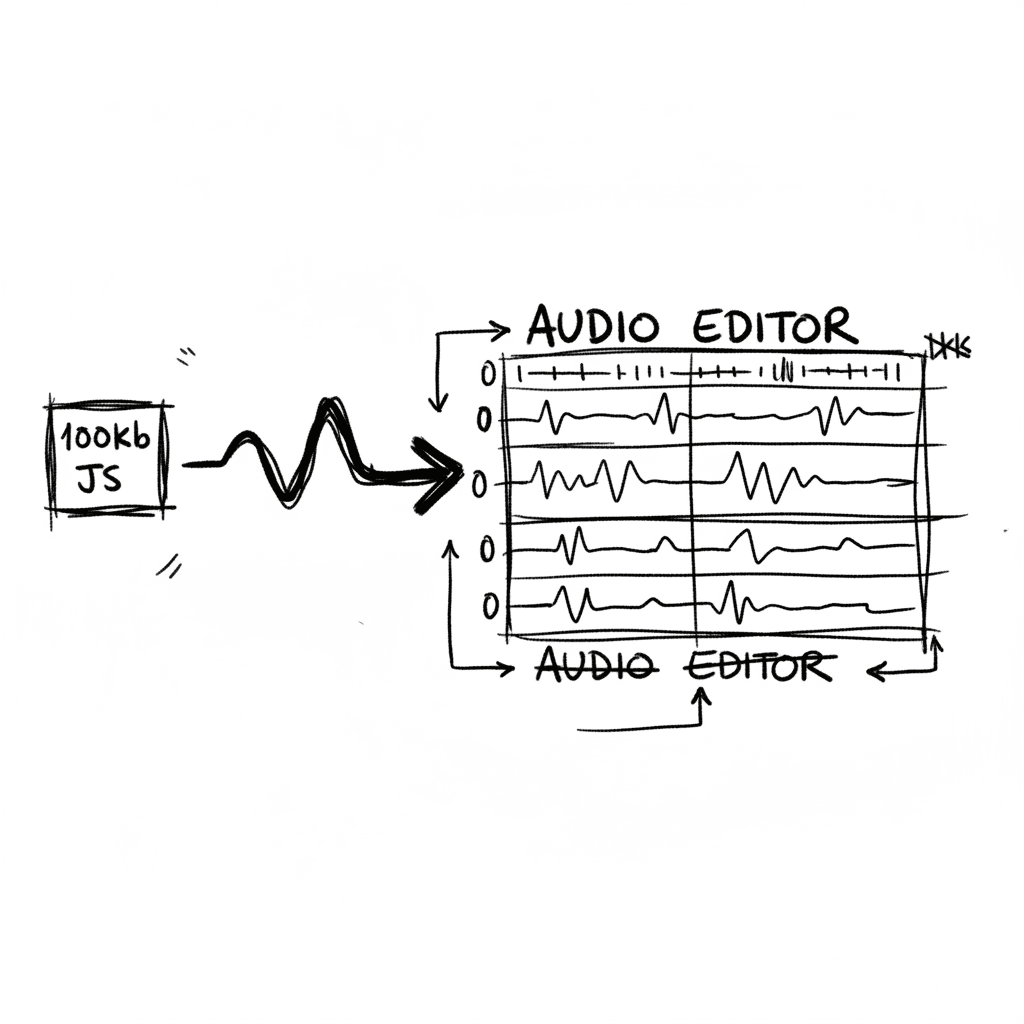
Audiomass: Multitrack Audio Editing via 100kb of Vanilla JavaScript
Audiomass is a browser-based, multitrack audio editor that operates entirely client-side with a remarkably small 100kb footprint (audiomass.co). It provides a workflow reminiscent of classic editors l
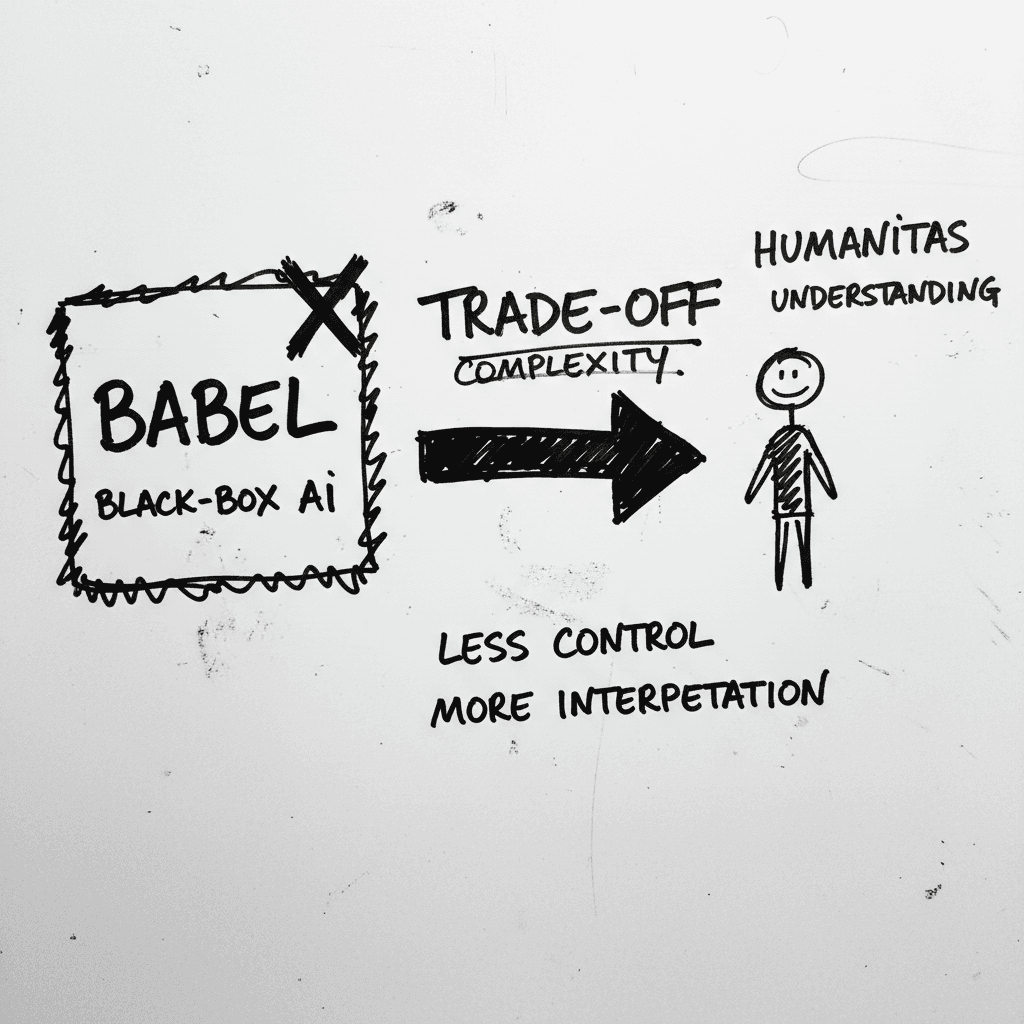
Magnifica Humanitas: The Vatican’s Framework for the GPT-5 Era
The document, signed May 15 and officially released today, was presented at the Vatican alongside Christopher Olah, co-founder of Anthropic and lead of its interpretability team (ncronline.org, Forbes
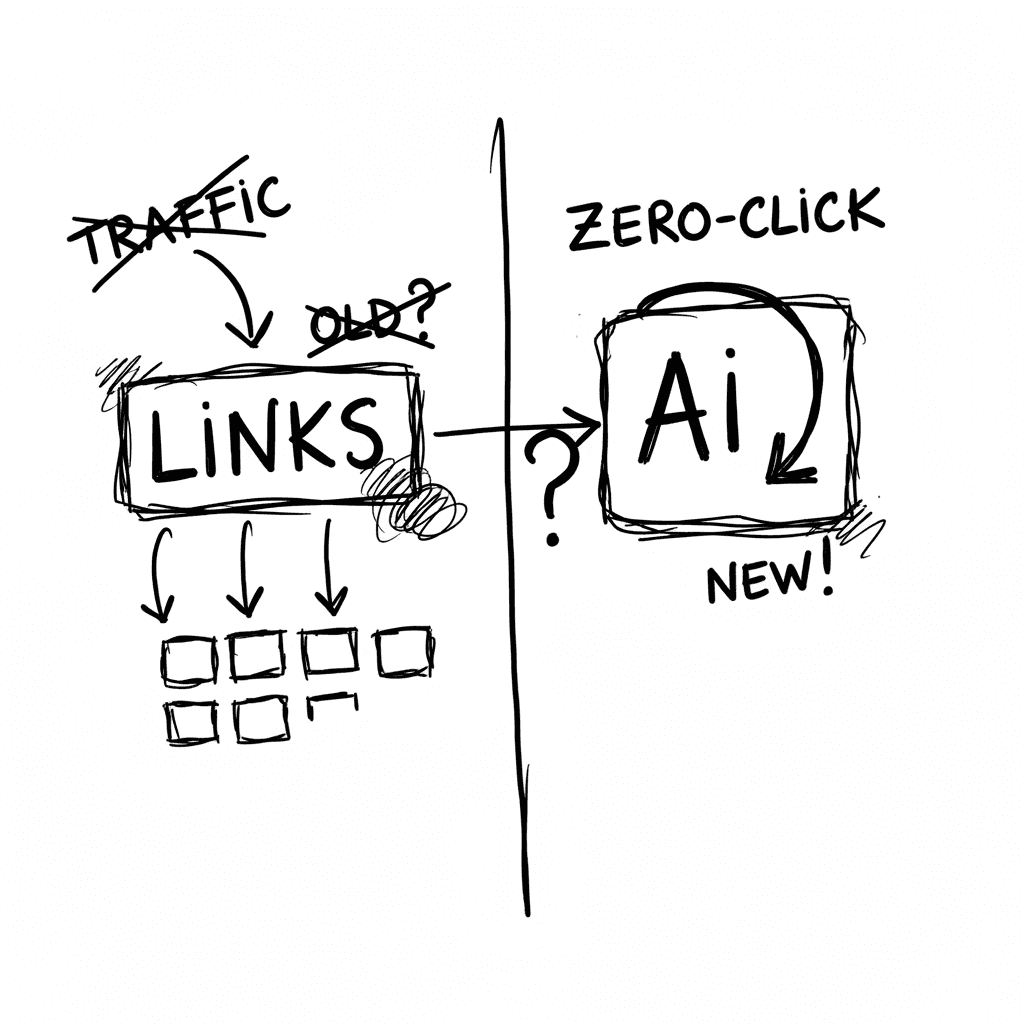
The Zero-Click Economy: Kagi Search vs. Google AI Mode
Google has effectively pivoted to an "answer engine" where Gemini 3.5 Flash provides conversational summaries, while Kagi remains the primary refuge for users seeking a human-centric, ad-free index. W
Stay Ahead of AI Adoption Trends
Get our latest reports and insights delivered to your inbox. No spam, just data.