
Eric Lengyel dedicates the Slug font rendering algorithm to the public domain
After a decade of gatekeeping by AAA studios like Blizzard and Ubisoft, the Slug algorithm and Patent #10,373,352 were dedicated to the public domain on March 17, 2026. This move transitions a high-en

The Pitch
After a decade of gatekeeping by AAA studios like Blizzard and Ubisoft, the Slug algorithm and Patent #10,373,352 were dedicated to the public domain on March 17, 2026. This move transitions a high-end, resolution-independent GPU vector rendering method from a proprietary secret to an MIT-licensed reference. (Source: Terathon Blog).
Under the Hood
The technology bypasses traditional glyph atlases and signed distance fields (SDFs) by rendering directly from Bézier curves. It utilizes a "Dynamic Dilation" technique to handle rasterization of partially covered pixels without the overhead of manual bounding box expansion. (Source: Terathon Blog).
The core HLSL reference shaders are now available on GitHub under the MIT license (EricLengyel/Slug). This allows developers to implement the math behind Slug without licensing fees. However, the "Slug Library" remains a commercial product providing layout services, Unicode composition, and C++ integration. (Source: Project License).
Implementation is not trivial. Developers on Hacker News note that the scanline-based winding number approach can be prone to edge-case artifacts compared to the Loop-Blinn subtended angle method. Integrating these shaders into a production GPU pipeline requires significant expertise. (Source: HN Discussion).
We currently lack data on how these 2026 reference shaders perform against vector rendering techniques optimized by GPT-5. It is also unclear if the high-level layout services for kerning and ligatures will ever be open-sourced or remain strictly proprietary. (Source: UsedBy Dossier).
The algorithm is already a core component of the Radical Pie equation editor, which has been in use since October 2025. This proves the math holds up under the stress of complex mathematical typesetting. (Source: RadicalPie.com).
Marcus's Take
Don't confuse a public domain algorithm with a free lunch. While the math is now yours to keep, building a robust text engine from reference shaders is a massive undertaking for any backend team. If you are building a custom UI framework or a high-performance CAD tool, the MIT shaders are a goldmine for your rendering pipeline. For everyone else, the commercial library remains the only sane way to handle complex Unicode layout without losing your mind.
Ship clean code,
Marcus.
Marcus Webb - Senior Backend Analyst at UsedBy.ai
Related Articles
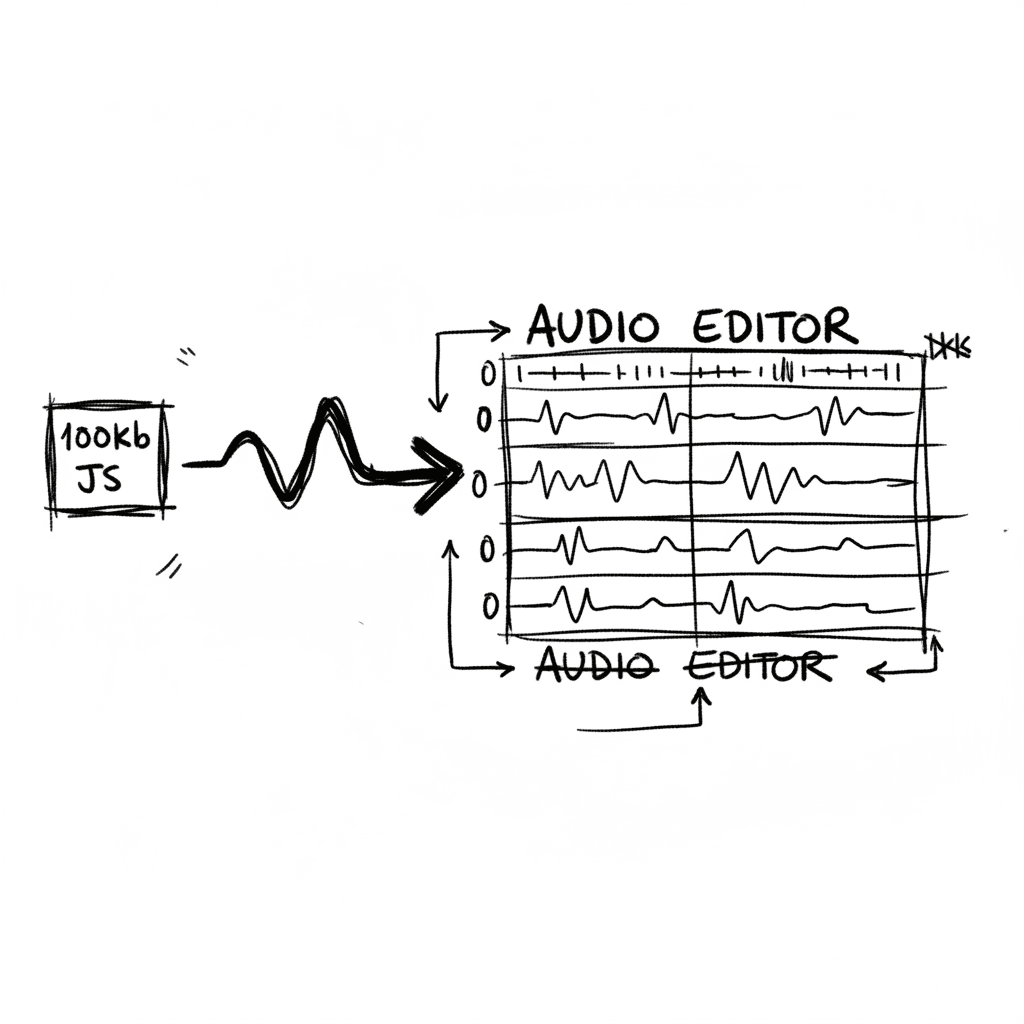
Audiomass: Multitrack Audio Editing via 100kb of Vanilla JavaScript
Audiomass is a browser-based, multitrack audio editor that operates entirely client-side with a remarkably small 100kb footprint (audiomass.co). It provides a workflow reminiscent of classic editors l
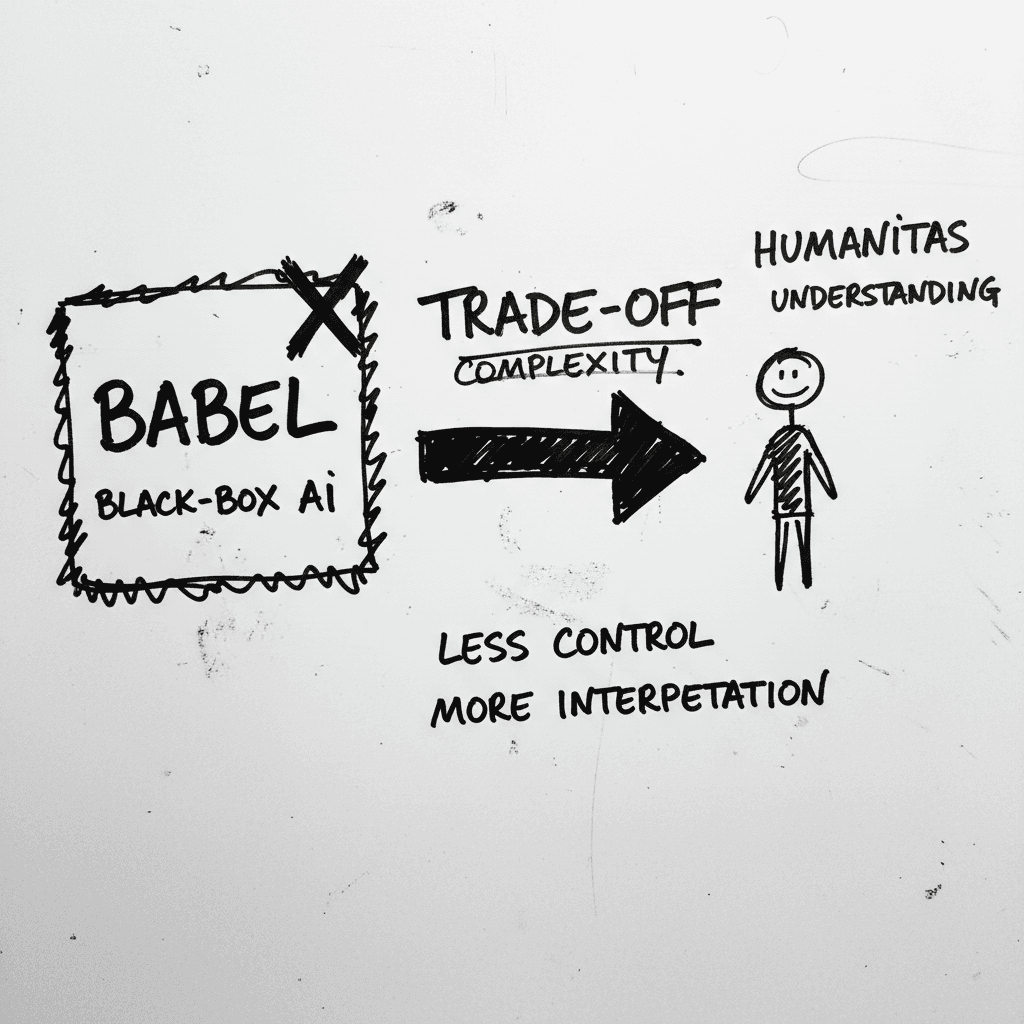
Magnifica Humanitas: The Vatican’s Framework for the GPT-5 Era
The document, signed May 15 and officially released today, was presented at the Vatican alongside Christopher Olah, co-founder of Anthropic and lead of its interpretability team (ncronline.org, Forbes
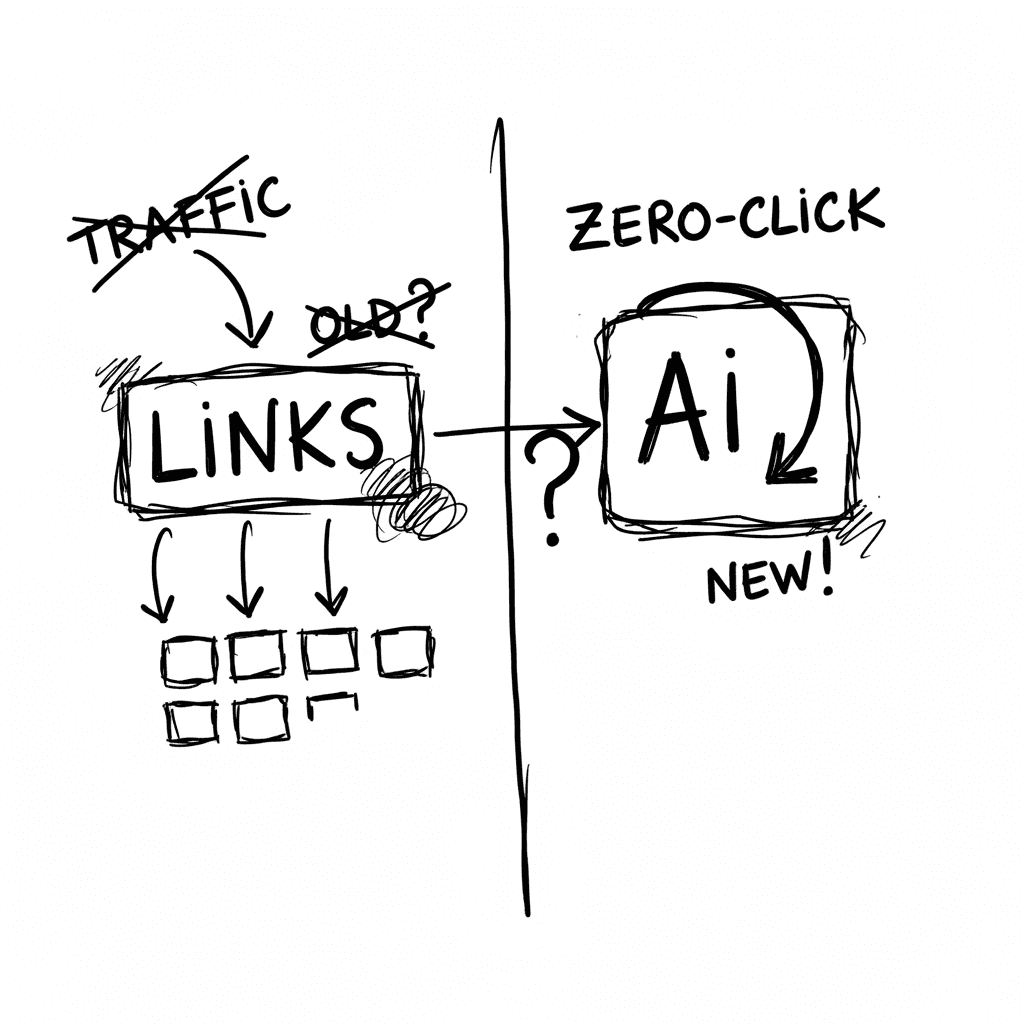
The Zero-Click Economy: Kagi Search vs. Google AI Mode
Google has effectively pivoted to an "answer engine" where Gemini 3.5 Flash provides conversational summaries, while Kagi remains the primary refuge for users seeking a human-centric, ad-free index. W
Stay Ahead of AI Adoption Trends
Get our latest reports and insights delivered to your inbox. No spam, just data.