
Google Workspace and the Gmail Accountability Gap: A Technical Post-Mortem
Google claims Gemini 2.5 has solved the inbox crisis through "industry-leading" semantic filtering and mandatory SMTP-level authentication. In reality, the system has created a tier-based delivery lan

The Pitch
Google claims Gemini 2.5 has solved the inbox crisis through "industry-leading" semantic filtering and mandatory SMTP-level authentication. In reality, the system has created a tier-based delivery landscape where sophisticated AI-generated spam is delivered with perfect compliance, while independent mail servers face silent suppression.
Under the Hood
Google transitioned to absolute SMTP-level rejection for non-compliant senders (SPF/DKIM/DMARC) in November 2025 (Source: EmailFerret 2026 Analysis). While this eliminated legacy spoofing, it created a loophole for high-volume attackers using Google's own infrastructure to bypass reputational filters.
A major Gmail spam filter outage on January 24, 2026, revealed that security scans can time out under load, exposing a "noisy neighbor" failure in Google’s infrastructure (Source: Google Incident Report Feb 2026). During this window, Gemini 2.5's semantic analysis failed to catch bulk AI-generated outreach.
A new feature released in April 2026 allows Gmail users to change primary addresses, which attackers are currently exploiting to "reset" sender reputation (Source: Security Boulevard). This makes traditional rate-limiting and domain-based blacklisting largely ineffective against sophisticated actors.
Independent sysadmins and the Free Software Foundation report that Google ignores technically compliant AI-generated spam from its own accounts while throttling legitimate small servers (Source: UsedBy Dossier). Human intervention is reportedly only triggered by "certified mail" or "police reports" sent to Google Legal (Source: HN Thread April 16, 2026).
We don't know yet how Google plans to address the specific FSF complaint regarding massive 10k+ email spam campaigns. Furthermore, the exact human-to-report ratio in Google’s Trust & Safety department for 2026 remains undisclosed.
Marcus's Take
Google has essentially automated the death of the independent mail server under the guise of security. Gemini 2.5’s "Effective Inbox Placement" acts as a silent gatekeeper that prioritizes authenticated noise over nuanced, non-corporate communication. It is a classic walled garden play: if you aren't sending from a major provider, you are statistically invisible.
Ship clean code,
Marcus.
Marcus Webb - Senior Backend Analyst at UsedBy.ai
Related Articles
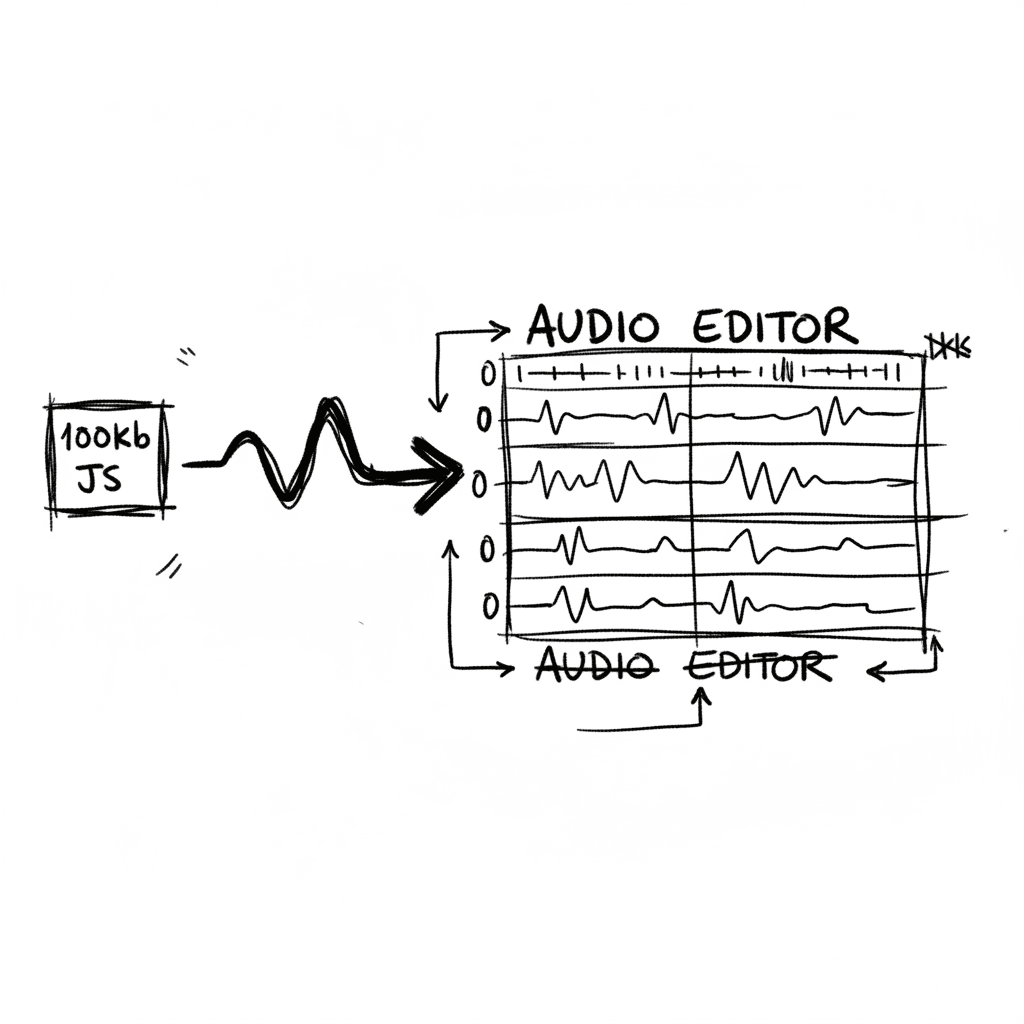
Audiomass: Multitrack Audio Editing via 100kb of Vanilla JavaScript
Audiomass is a browser-based, multitrack audio editor that operates entirely client-side with a remarkably small 100kb footprint (audiomass.co). It provides a workflow reminiscent of classic editors l
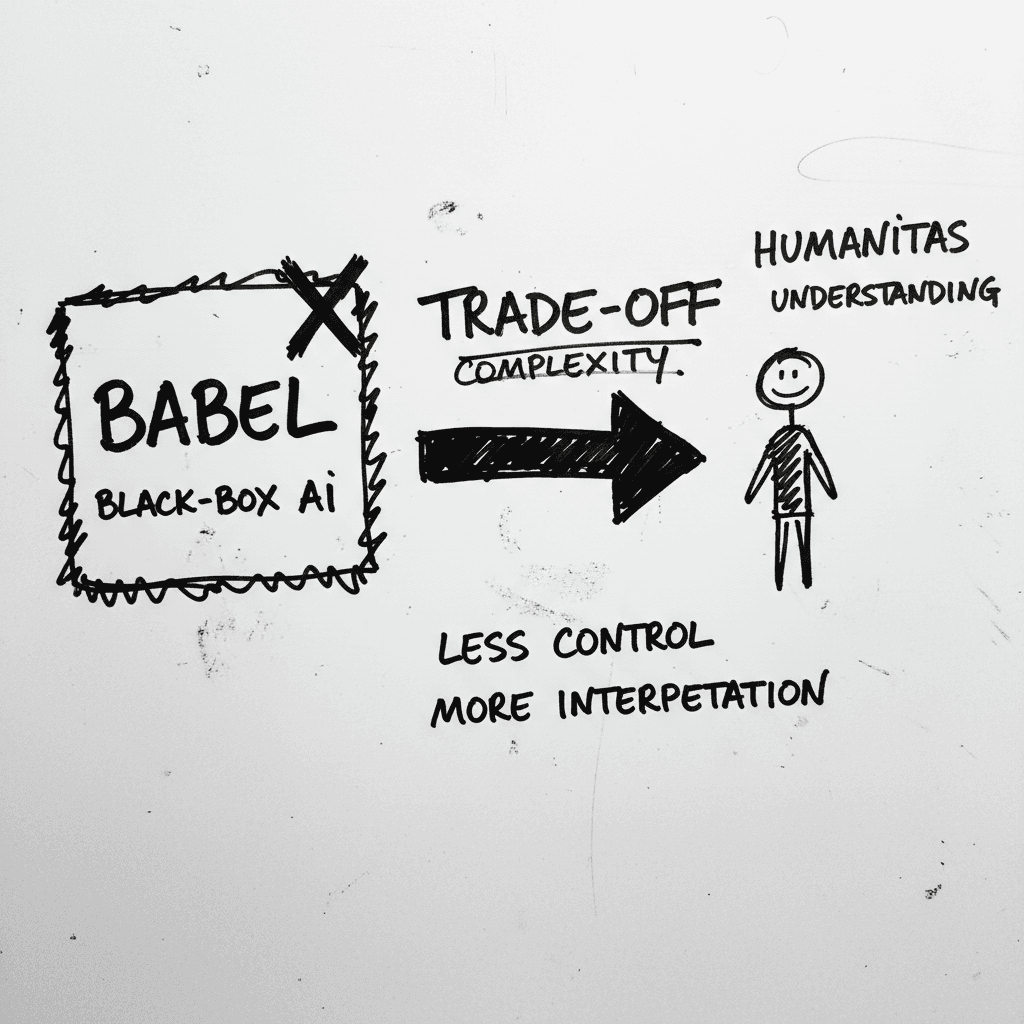
Magnifica Humanitas: The Vatican’s Framework for the GPT-5 Era
The document, signed May 15 and officially released today, was presented at the Vatican alongside Christopher Olah, co-founder of Anthropic and lead of its interpretability team (ncronline.org, Forbes
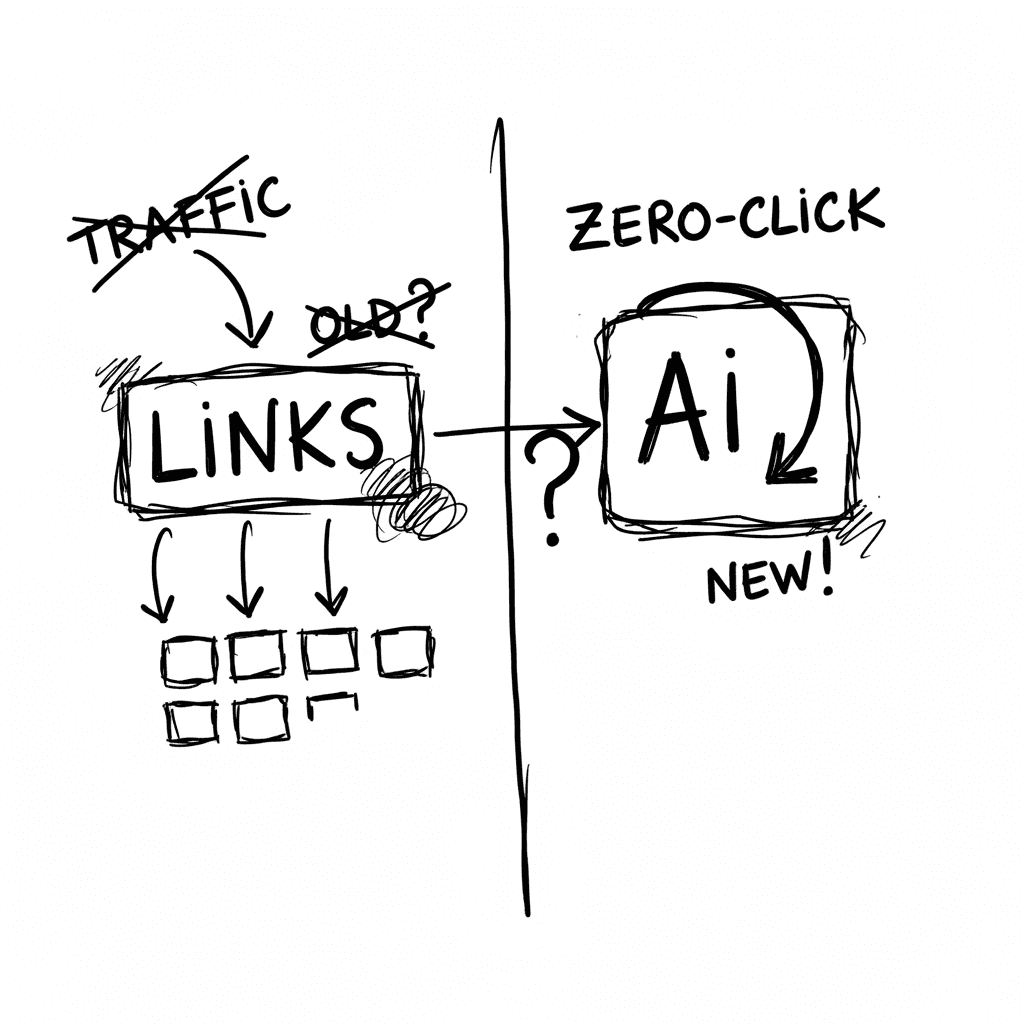
The Zero-Click Economy: Kagi Search vs. Google AI Mode
Google has effectively pivoted to an "answer engine" where Gemini 3.5 Flash provides conversational summaries, while Kagi remains the primary refuge for users seeking a human-centric, ad-free index. W
Stay Ahead of AI Adoption Trends
Get our latest reports and insights delivered to your inbox. No spam, just data.