
Googlebook and the Shift to Aluminium OS
Google announced the Googlebook category on May 12, 2026, signalling the end of ChromeOS as we know it in favour of a desktop-native Android 17 build (The Next Web, 9to5Google). This move integrates G

The Pitch
Google announced the Googlebook category on May 12, 2026, signalling the end of ChromeOS as we know it in favour of a desktop-native Android 17 build (The Next Web, 9to5Google). This move integrates Gemini Intelligence directly into the core OS, moving beyond simple browser-based LLM access to on-device inference (Droid Life). It positions Google to compete directly with the MacBook Neo in the high-end hardware segment.
Under the Hood
The hardware floor for Googlebook is high, requiring NPUs capable of at least 40 TOPS to handle Gemini's background tasks (TechPowerUp). While the "Magic Pointer" cursor and "Cast My Apps" phone integration aim for a seamless multi-device workflow, the underlying "Aluminium OS" is causing friction in the developer community (Hacker News).
Current verified details include:
* Initial OEM hardware from Acer, ASUS, Dell, HP, and Lenovo (Moomoo, VideoCardz).
* Native integration of Intel 'Wildcat Lake' or Snapdragon X silicon (TechPowerUp).
* The "Glowbar" hardware identifier, a dedicated lightstrip for OS-level status (Android Central).
* Samsung is notably absent from the initial hardware partner list (VideoCardz).
The transition from ChromeOS has left existing users confused about upgrade paths for legacy hardware (9to5Google). Early feedback on the UI mentions poor UX regarding the top panel design and a general concern that Google is building a "glorified app launcher" rather than a general-purpose environment (Hacker News, Reddit).
We do not know the final retail pricing yet, though the "premium" positioning suggests a significant jump over traditional Chromebook costs (Mashable). Furthermore, technical specifications for the window manager and its Linux subsystem capabilities remain undisclosed (UsedBy Dossier). The European Commission has already opened inquiries into whether the deep Gemini integration constitutes an anti-competitive moat (The Next Web).
Marcus's Take
Googlebook is a transparent attempt to lock the premium segment into a proprietary AI stack. While the hardware requirements suggest decent local inference performance, the "locked-down" nature of a desktop-optimised Android remains a red flag for any serious backend workflow. Until Google clarifies the Linux subsystem's capabilities and proves this isn't just a high-priced container for Gemini, it’s a hard pass for professional use.
Ship clean code,
Marcus.
Marcus Webb - Senior Backend Analyst at UsedBy.ai
Related Articles
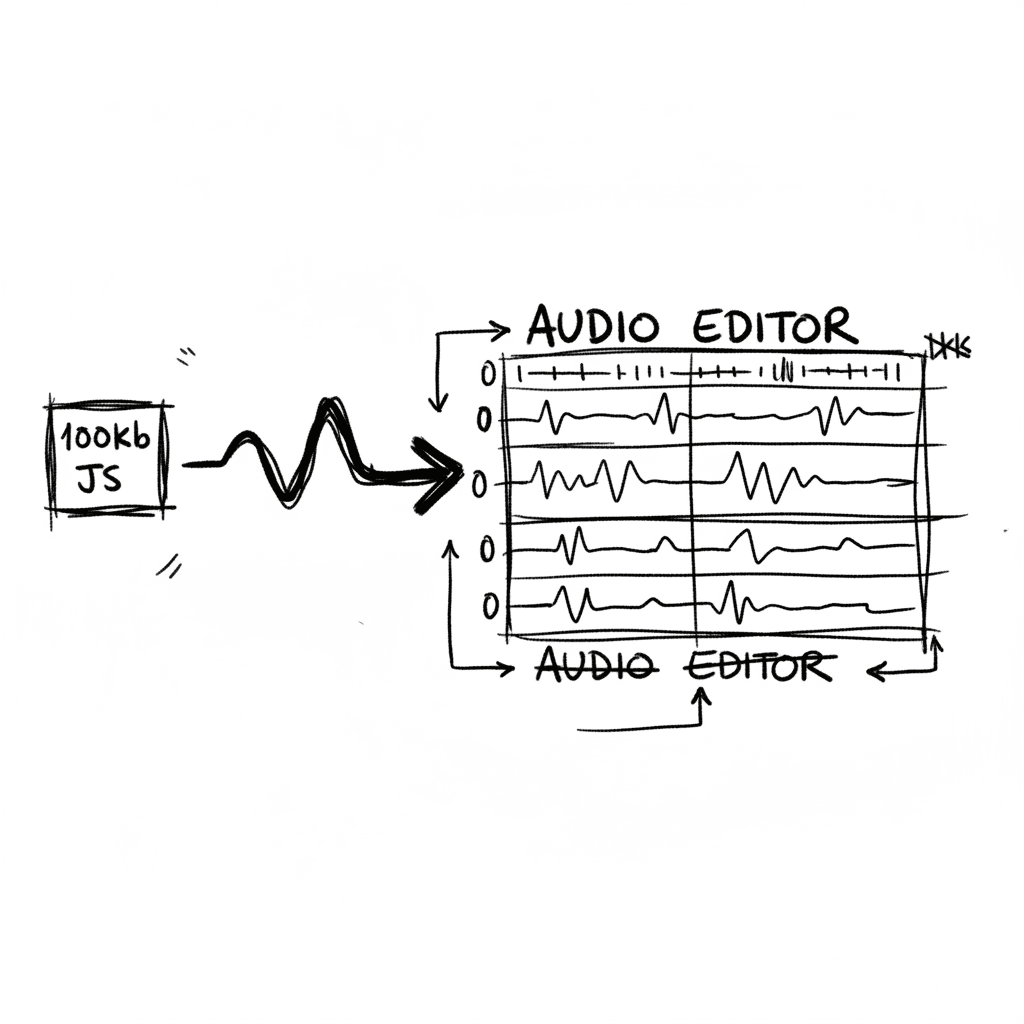
Audiomass: Multitrack Audio Editing via 100kb of Vanilla JavaScript
Audiomass is a browser-based, multitrack audio editor that operates entirely client-side with a remarkably small 100kb footprint (audiomass.co). It provides a workflow reminiscent of classic editors l
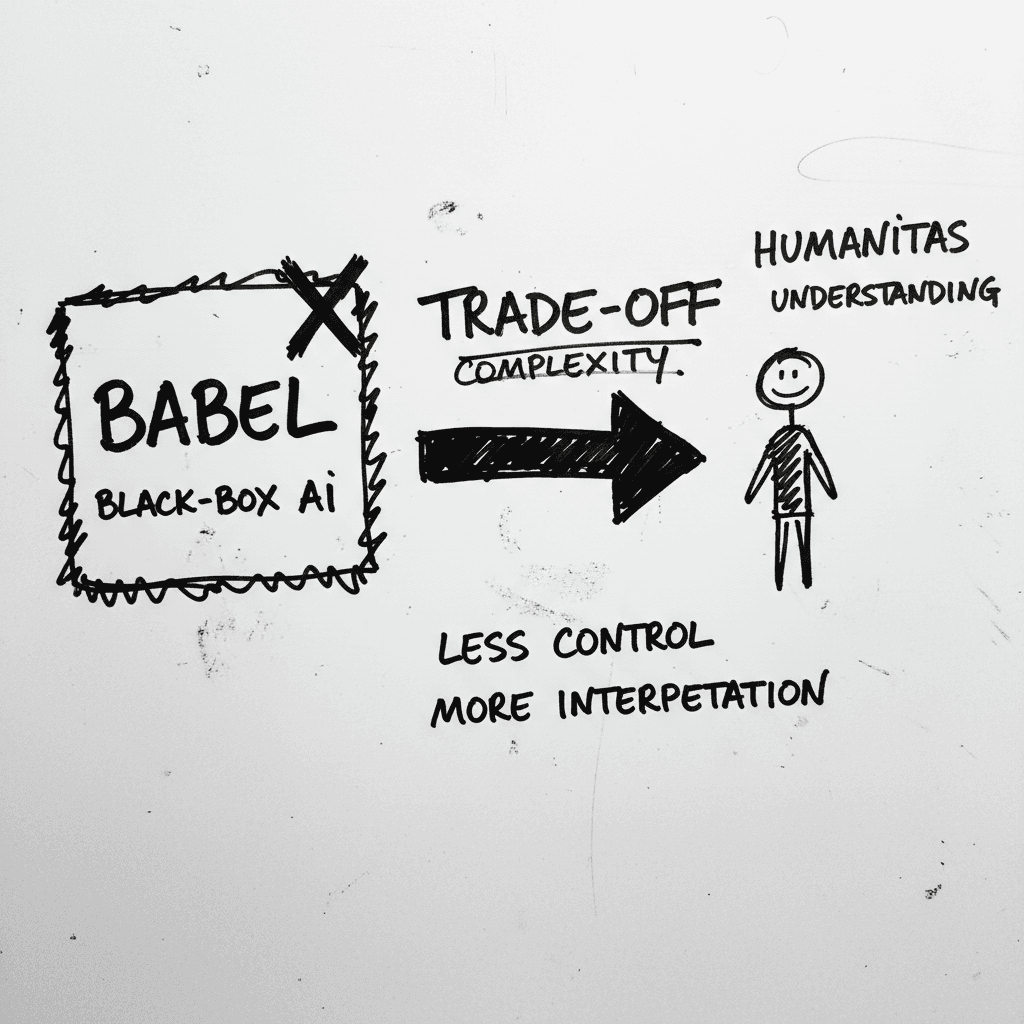
Magnifica Humanitas: The Vatican’s Framework for the GPT-5 Era
The document, signed May 15 and officially released today, was presented at the Vatican alongside Christopher Olah, co-founder of Anthropic and lead of its interpretability team (ncronline.org, Forbes
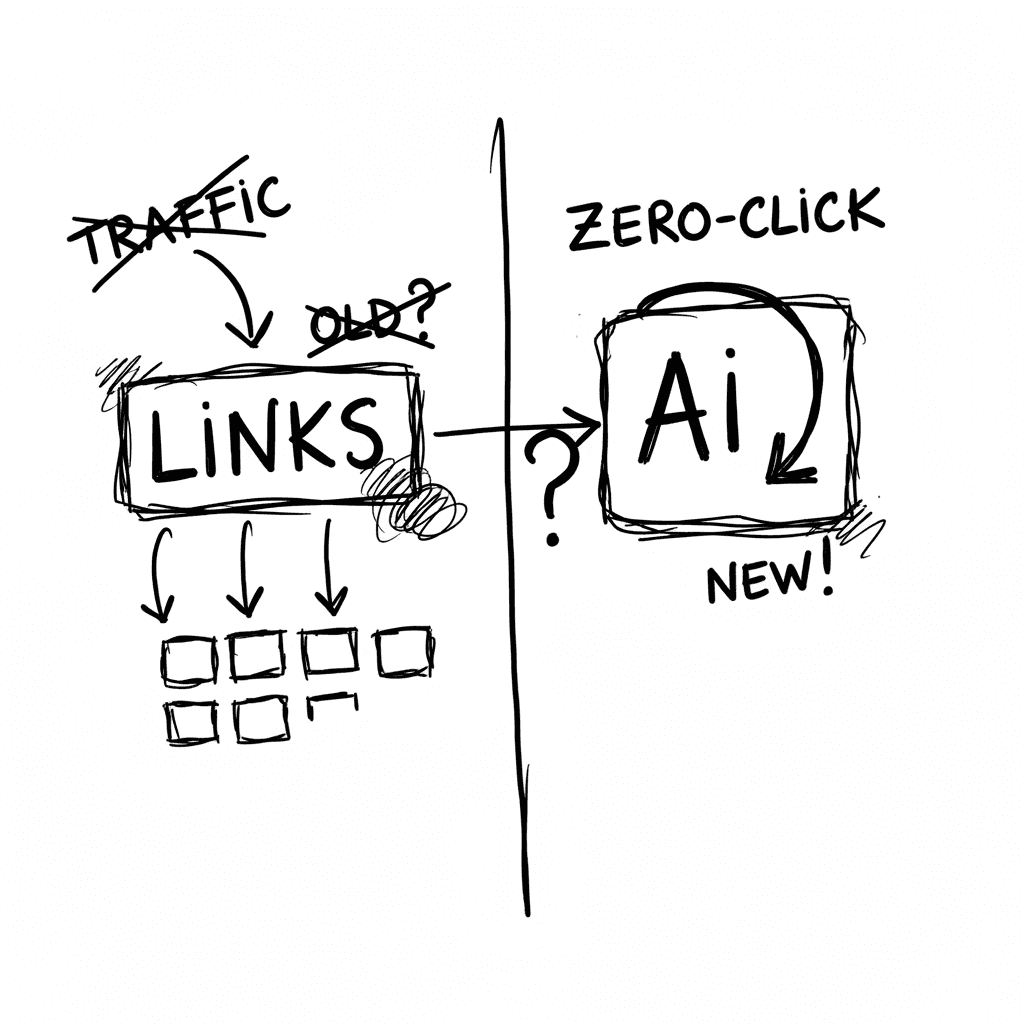
The Zero-Click Economy: Kagi Search vs. Google AI Mode
Google has effectively pivoted to an "answer engine" where Gemini 3.5 Flash provides conversational summaries, while Kagi remains the primary refuge for users seeking a human-centric, ad-free index. W
Stay Ahead of AI Adoption Trends
Get our latest reports and insights delivered to your inbox. No spam, just data.