
Hardware Attestation and the Mandatory Mobile Gatekeep
Google Play Integrity and Apple App Attest have transitioned from optional security layers to mandatory gatekeepers for digital participation. As of May 2026, reCAPTCHA requires a "certified" smartpho

The Pitch
Google Play Integrity and Apple App Attest have transitioned from optional security layers to mandatory gatekeepers for digital participation. As of May 2026, reCAPTCHA requires a "certified" smartphone scan to verify desktop users on Windows and Linux (support.google.com/recaptcha). This architecture enforces a hardware-backed "Zero-Trust" environment that cryptographically verifies the state of the device before granting access.
Under the Hood
Android 16 has shifted hardware-level zero-trust enforcement from a design philosophy to a mandatory system requirement (Jason Bayton, Android Security Paper 2026). This ensures that sensitive operations can only occur if the Trusted Execution Environment (TEE) confirms the bootloader is locked and the OS is vendor-signed. While the API technically supports "alternate roots of trust," the Play Integrity API restricts verification to devices licensing Google Mobile Services (GMS) (GrapheneOS Article).
The privacy implications are significant because these attestation packets do not currently use zero-knowledge proofs. This allows vendors to link specific hardware IDs to every attestation event, creating a persistent tracking vector (HN Thread, May 10, 2026). Users on "untrusted" hardware, such as GrapheneOS or Linux-based phones, are increasingly blocked from banking, government services, and basic web browsing (GrapheneOS Social).
The technical and legal landscape is currently in flux:
* No documented bypasses for "strong integrity" exist without an unpatched TEE zero-day.
* The EU Commission is investigating these frameworks as "new forms of lock-in" under the Digital Markets Act (European Parliament 2026/2596 RSP).
* Response from Google and Apple regarding these DMA investigations is currently missing.
* Regional "Unified Attestation" initiatives are being criticized as mimetic cartels rather than open standards (Reddit r/degoogle).
Marcus's Take
This is digital enclosure disguised as security. If you are building a consumer app in 2026, you will likely be forced into this ecosystem by your insurance underwriters or payment processors, but recognize the cost. You are effectively firing any user who values hardware sovereignty or uses a de-Googled device. It is a highly effective way to stop bots, but it turns the open web into a gated community where Google and Apple hold the only keys.
Ship clean code,
Marcus.
Marcus Webb - Senior Backend Analyst at UsedBy.ai
Related Articles
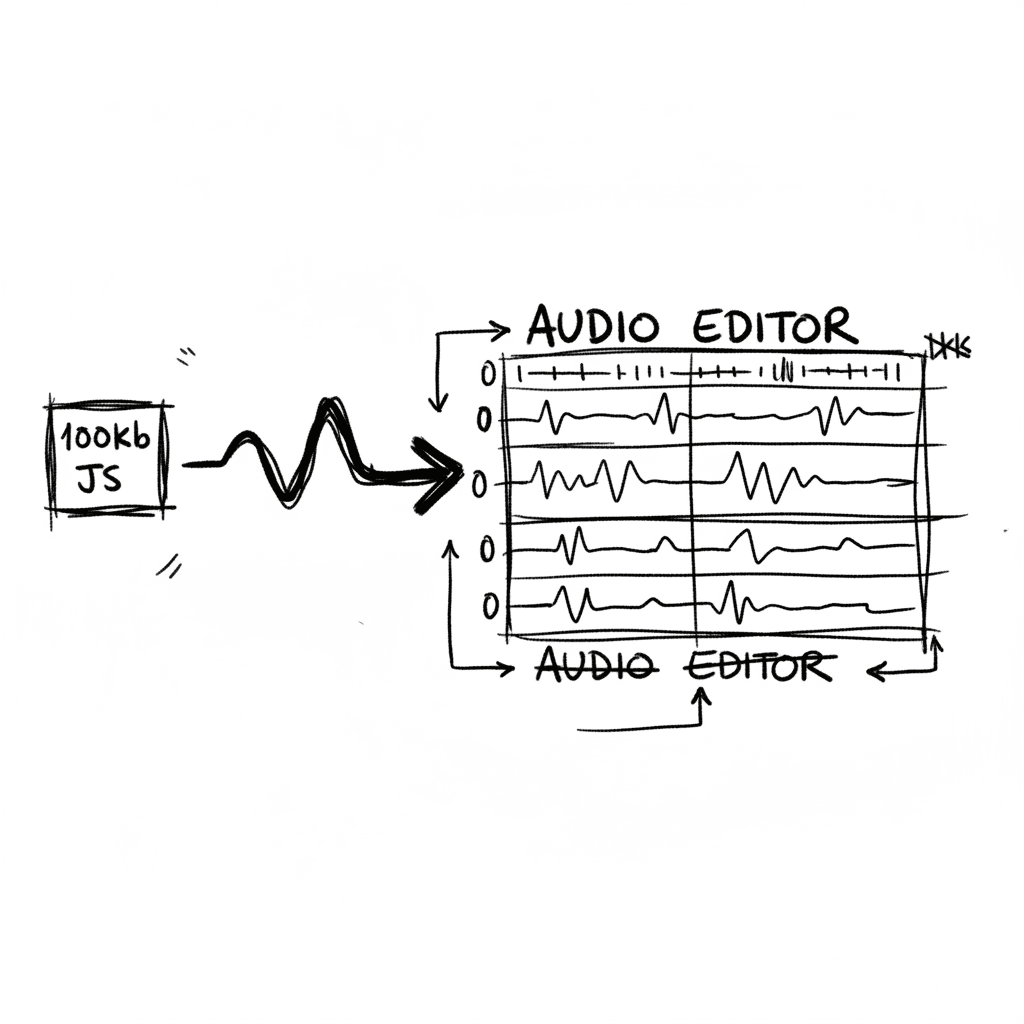
Audiomass: Multitrack Audio Editing via 100kb of Vanilla JavaScript
Audiomass is a browser-based, multitrack audio editor that operates entirely client-side with a remarkably small 100kb footprint (audiomass.co). It provides a workflow reminiscent of classic editors l
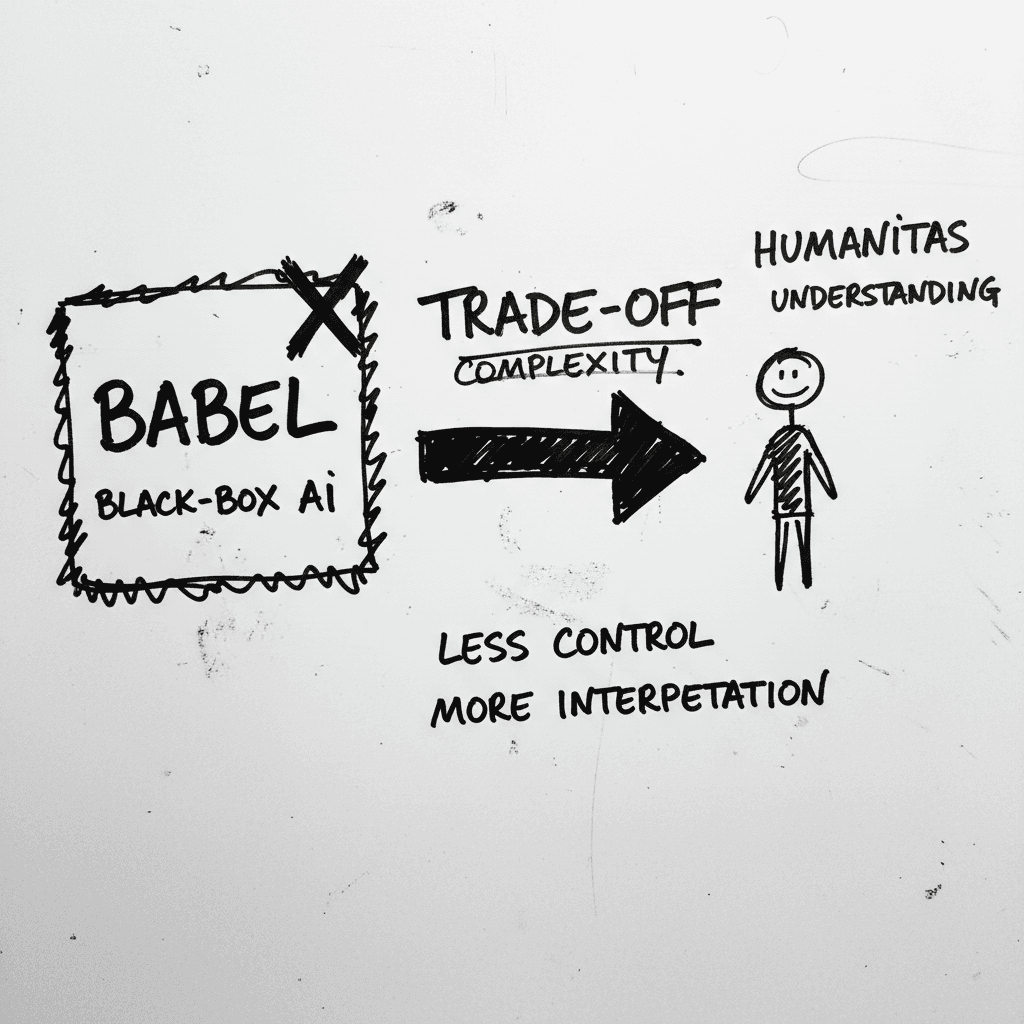
Magnifica Humanitas: The Vatican’s Framework for the GPT-5 Era
The document, signed May 15 and officially released today, was presented at the Vatican alongside Christopher Olah, co-founder of Anthropic and lead of its interpretability team (ncronline.org, Forbes
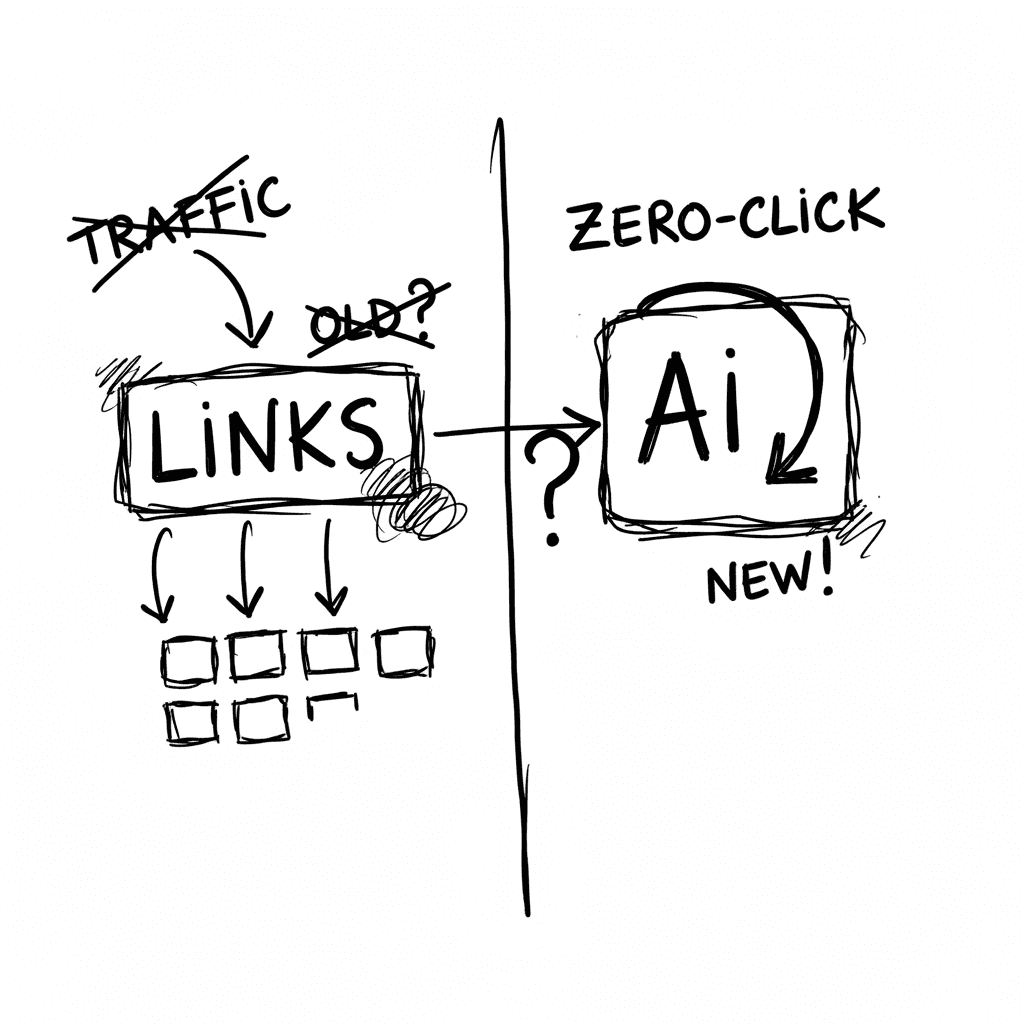
The Zero-Click Economy: Kagi Search vs. Google AI Mode
Google has effectively pivoted to an "answer engine" where Gemini 3.5 Flash provides conversational summaries, while Kagi remains the primary refuge for users seeking a human-centric, ad-free index. W
Stay Ahead of AI Adoption Trends
Get our latest reports and insights delivered to your inbox. No spam, just data.