
Metadata-Driven Codebase Mapping via Git Log
The "Git Pre-Read Workflow" attempts to map the social and technical topography of a codebase using metadata before a developer reads the source code. By analyzing commit frequency and message pattern

The Pitch
The "Git Pre-Read Workflow" attempts to map the social and technical topography of a codebase using metadata before a developer reads the source code. By analyzing commit frequency and message patterns, it seeks to identify bug clusters and key contributors through standard terminal utilities (Source: HN Thread).
Under the Hood
The workflow relies on piping git log output into standard Unix utilities like sort, uniq, and head to generate churn reports (Source: HN Thread). While the concept of identifying high-activity files is sound, the implementation described is technically fragile.
The method for detecting "bug clusters" utilizes a basic regex that lacks word boundaries. Searching for the string "bug" incorrectly matches terms like "debugger" or "debug," which skews the metadata and creates false positives (Source: UsedBy Dossier). This lack of precision undermines the goal of finding actual defect-heavy modules.
In 2026, the industry has largely shifted toward Jujutsu (jj) for these types of queries. Jujutsu’s semantic "revsets" and superior handling of large-scale history make it significantly more efficient for monorepo analysis than these manual Git pipelines (Source: Infovision, GitHub jj-vcs).
Technical gaps in the proposal include:
* No benchmarking data for repositories with over 1 million commits (Source: UsedBy Dossier).
* A reliance on LLM-generated explanations rather than raw execution examples (Source: HN Comment #3).
* Standardised 2026 workflows now favor git commit --fixup for cleaning AI-generated code (Source: Stack Overflow 2026).
* We don't know yet if Claude 4.5 Opus or GPT-5 perform this analysis more accurately through native repository indexing.
Marcus's Take
Skip the manual aliases and migrate your team to Jujutsu if you actually care about codebase metrics. Relying on brittle regex to locate bugs in a 2026 production environment is like using a divining rod to find a leak in a nuclear reactor. If you are managing AI-assisted contributions, focus your energy on interactive rebasing and fixup commits rather than building fragile grep pipelines that fail on a modern monorepo scale.
Ship clean code,
Marcus.
Marcus Webb - Senior Backend Analyst at UsedBy.ai
Related Articles
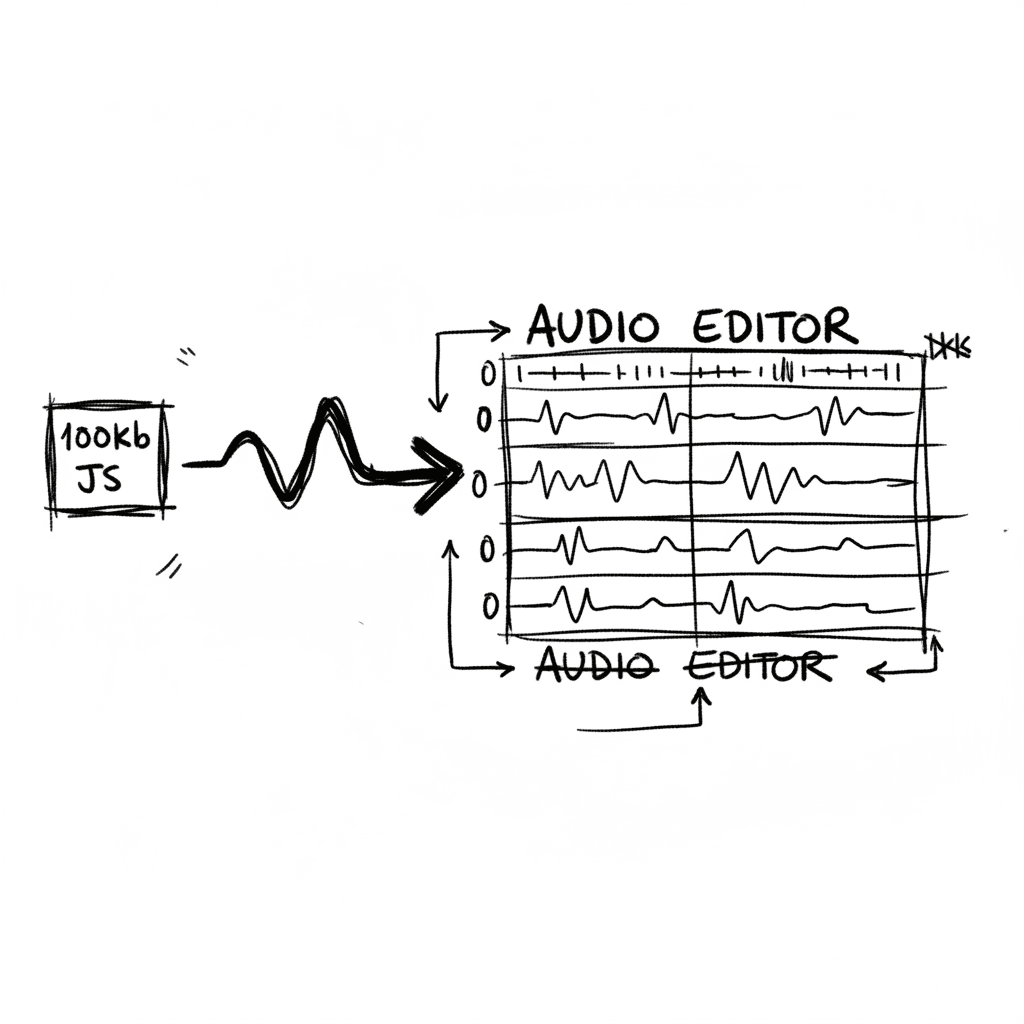
Audiomass: Multitrack Audio Editing via 100kb of Vanilla JavaScript
Audiomass is a browser-based, multitrack audio editor that operates entirely client-side with a remarkably small 100kb footprint (audiomass.co). It provides a workflow reminiscent of classic editors l
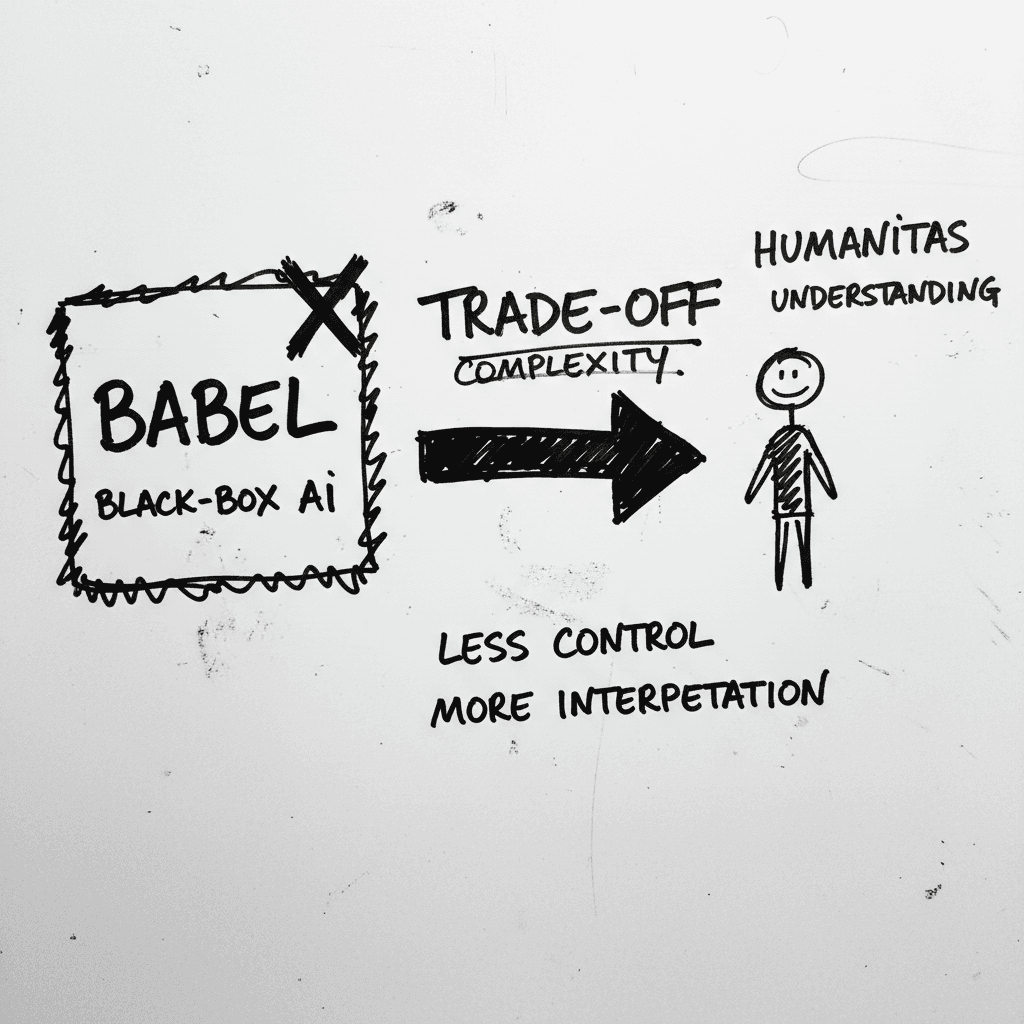
Magnifica Humanitas: The Vatican’s Framework for the GPT-5 Era
The document, signed May 15 and officially released today, was presented at the Vatican alongside Christopher Olah, co-founder of Anthropic and lead of its interpretability team (ncronline.org, Forbes
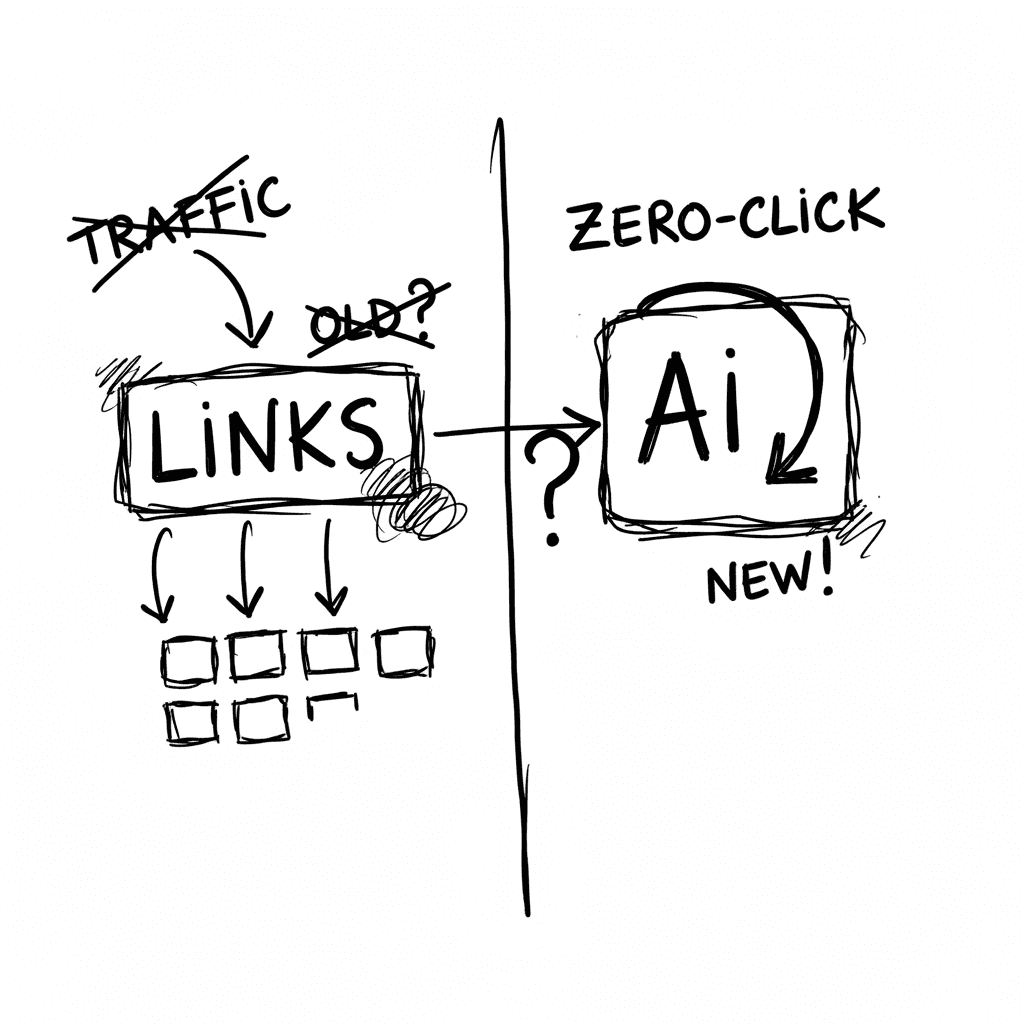
The Zero-Click Economy: Kagi Search vs. Google AI Mode
Google has effectively pivoted to an "answer engine" where Gemini 3.5 Flash provides conversational summaries, while Kagi remains the primary refuge for users seeking a human-centric, ad-free index. W
Stay Ahead of AI Adoption Trends
Get our latest reports and insights delivered to your inbox. No spam, just data.