
Mistral Forge: Full-Lifecycle Model Training for Enterprise Environments
Mistral Forge is a platform designed for enterprise-scale pre-training, post-training (SFT/DPO), and reinforcement learning on proprietary datasets. (source: Mistral AI Blog). It is currently being ut

The Pitch
Mistral Forge is a platform designed for enterprise-scale pre-training, post-training (SFT/DPO), and reinforcement learning on proprietary datasets. (source: Mistral AI Blog). It is currently being utilised by high-compliance entities like ASML, Ericsson, and the European Space Agency to build domain-aware versions of the 2026 Mistral lineup. (source: VentureBeat).
Under the Hood
The platform supports the current model catalogue, specifically Mistral Small 4, Devstral 2, and the Magistral reasoning series. (source: Silicon Republic). To address the complexity of data quality, Mistral is deploying Forward-Deployed Engineers (FDEs) to help organisations build custom evaluation frameworks. (source: TrendingTopics.eu).
Despite the robust backend, the developer experience is plagued by avoidable friction. There is a documented mismatch between marketing names and implementation strings, such as the "Devstral 2" model requiring devstral-2512 in API calls. (source: HN). The API naming convention is so fragmented I suspect the marketing team and the backend engineers haven't shared a pint in months.
Furthermore, the official support channels are currently unreliable. Users report that AI-generated documentation is hallucinating setup instructions for IDE integrations and UI screens that do not exist. (source: HN). This makes self-service deployment nearly impossible for teams not working directly with an FDE.
There are also significant gaps in the commercial offering that CTOs should note. We don't know yet what the specific compute pricing for the full-scale pre-training tier looks like. (source: UsedBy Dossier).
Additionally, we don't know yet whether models trained via Forge remain open-weight or if the resulting weights are strictly proprietary to the customer. (source: UsedBy Dossier). For most, "pre-training from scratch" remains cost-prohibitive compared to standard fine-tuning. (source: CIO.com).
Marcus's Take
Skip Mistral Forge for now unless you have the budget to hire their FDEs to do the work for you. The technical capability to perform SFT and RL on the Magistral series is valuable, but the documentation is a mess and the API aliasing is prone to breaking deployment scripts. I wouldn't trust my training budget to a platform where the official support bot can't even describe the current user interface accurately.
Ship clean code,
Marcus.
Marcus Webb - Senior Backend Analyst at UsedBy.ai
Related Articles
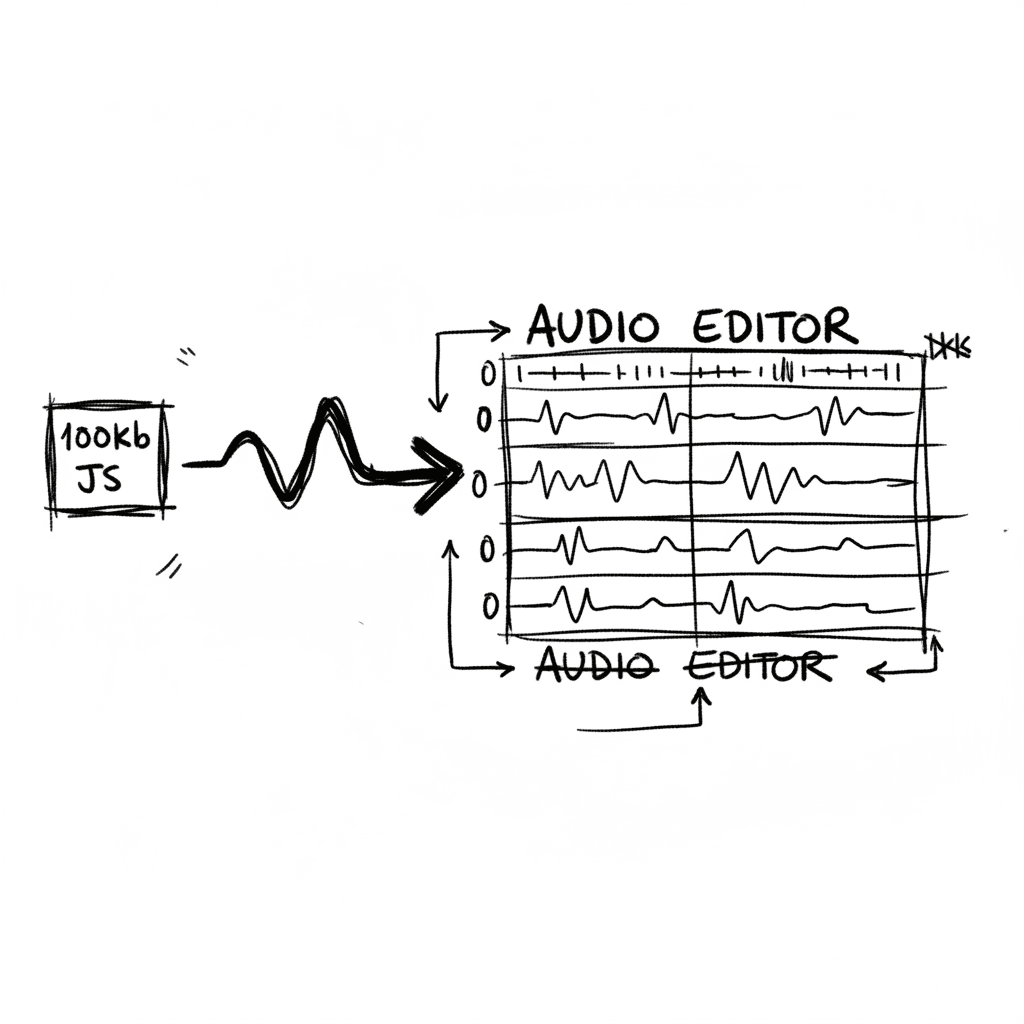
Audiomass: Multitrack Audio Editing via 100kb of Vanilla JavaScript
Audiomass is a browser-based, multitrack audio editor that operates entirely client-side with a remarkably small 100kb footprint (audiomass.co). It provides a workflow reminiscent of classic editors l
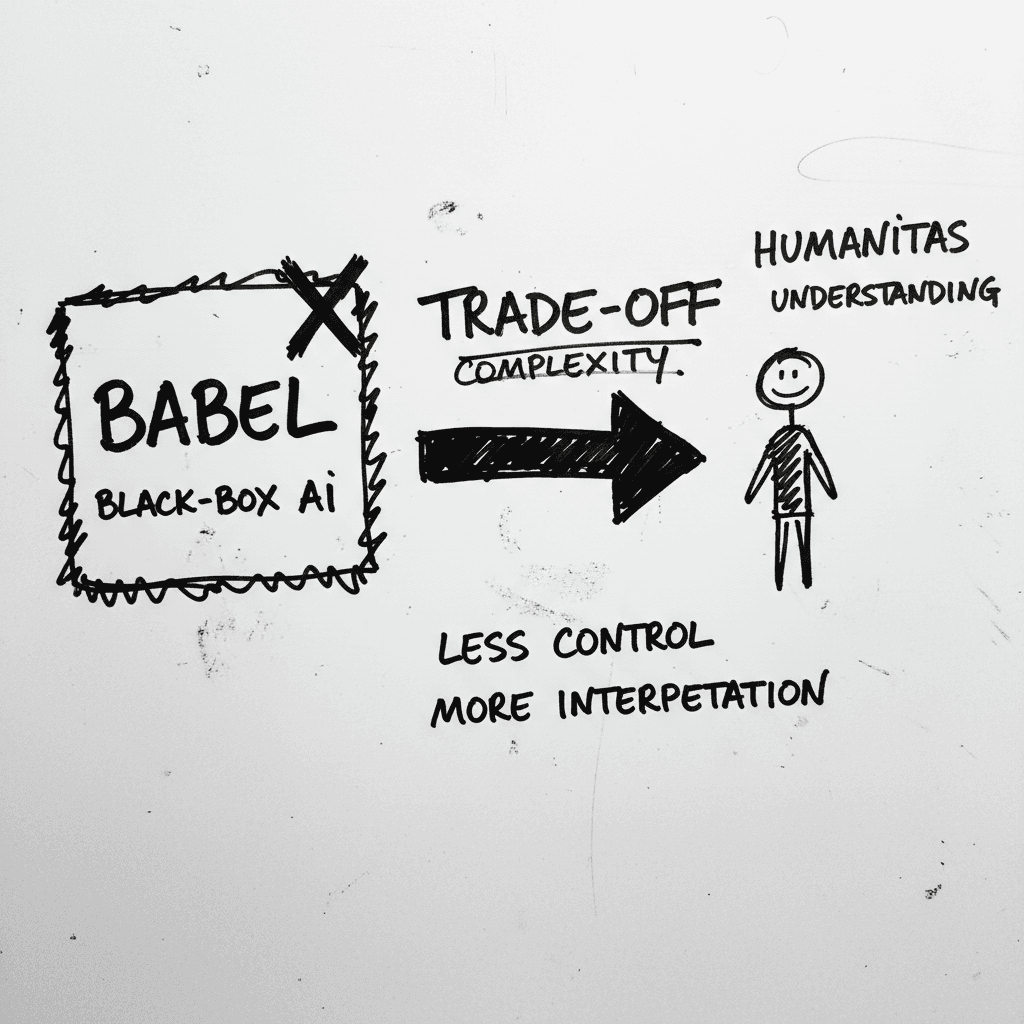
Magnifica Humanitas: The Vatican’s Framework for the GPT-5 Era
The document, signed May 15 and officially released today, was presented at the Vatican alongside Christopher Olah, co-founder of Anthropic and lead of its interpretability team (ncronline.org, Forbes
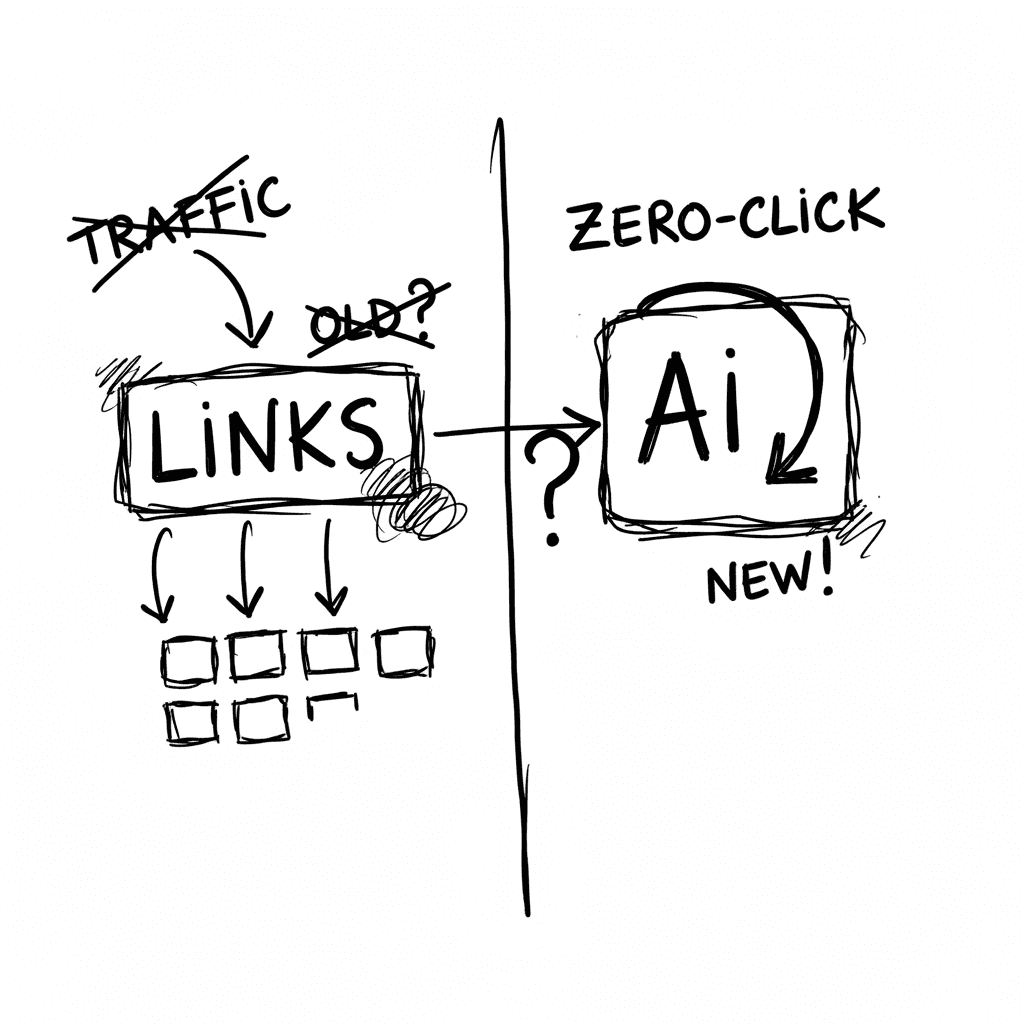
The Zero-Click Economy: Kagi Search vs. Google AI Mode
Google has effectively pivoted to an "answer engine" where Gemini 3.5 Flash provides conversational summaries, while Kagi remains the primary refuge for users seeking a human-centric, ad-free index. W
Stay Ahead of AI Adoption Trends
Get our latest reports and insights delivered to your inbox. No spam, just data.