
OpenAI Codex App: Architectural Analysis of GPT-5.2 Agent Orchestration
The OpenAI Codex App is a macOS-exclusive desktop environment built to orchestrate autonomous agents across complex software projects using the GPT-5.2-Codex model. It utilizes isolated worktrees to a

The Pitch
The OpenAI Codex App is a macOS-exclusive desktop environment built to orchestrate autonomous agents across complex software projects using the GPT-5.2-Codex model. It utilizes isolated worktrees to allow multiple agents to work on parallel tasks without creating merge conflicts in the local repository (OpenAI Official). This release marks OpenAI’s attempt to transition from a chat interface to a dedicated IDE-adjacent command center for agentic workflows.
Under the Hood
The application is built on Electron 40.0.0, utilizing React 19.2.0 and Jotai for state management (Hacker News / Latent.Space). While the underlying GPT-5.2-Codex model currently ranks #1 on TerminalBench, the implementation relies on a stateless design that sends the full conversation history during every turn (TechBuzz, Feb 2026). This architecture leads to quadratic prompt growth and frequent cache misses, significantly increasing latency as project context expands (Implicator.ai).
Internal database schemas indicate the use of better-sqlite3 for local automation tracking and node-pty for terminal emulation (Simon Willison, Feb 2026). OpenAI has introduced a "Skills" system to extend agent capabilities into design and cloud deployment, though this is currently limited to local execution (AdwaitX, Feb 2026). Despite the high-end model integration, the "Slowdex" nickname has gained traction on Hacker News due to consistent performance lags and high RAM consumption.
Current limitations and technical risks include:
- Significant performance bloat with "Loading projects..." hangs attributed to the heavy Electron wrapper (HN).
- Platform lock-in, as the Windows version lacks a release date due to missing OS-level sandboxing (Simon Willison).
- Agentic failure where models overcomplicate simple proposals or deviate from scripts when context windows bloat (Reddit r/ClaudeAI).
- We don't know the exact pricing for the upcoming "Skills" marketplace yet.
- Official benchmarks against the rumored "Fennec" (Claude 4 Sonnet) update are currently missing.
OpenAI remains a dominant platform in the UsedBy ecosystem with 534 tracked users, including enterprise-scale adoption at Duolingo, Stripe, and Shopify. See OpenAI profile
Marcus's Take
The OpenAI Codex App is a side-project tool, not a production-ready environment for critical infrastructure. While the worktree isolation is a clever solution to the problem of parallel agent collisions, the "Slowdex" performance issues make it a frustrating experience for high-velocity development. The stateless design is an architectural misstep that prioritizes simplicity over cost-efficiency and speed. Use it to experiment with multi-agent refactoring on isolated branches, but keep your primary IDE open for when the agents inevitably go off-script.
Ship clean code,
Marcus.
Marcus Webb - Senior Backend Analyst at UsedBy.ai
Related Articles
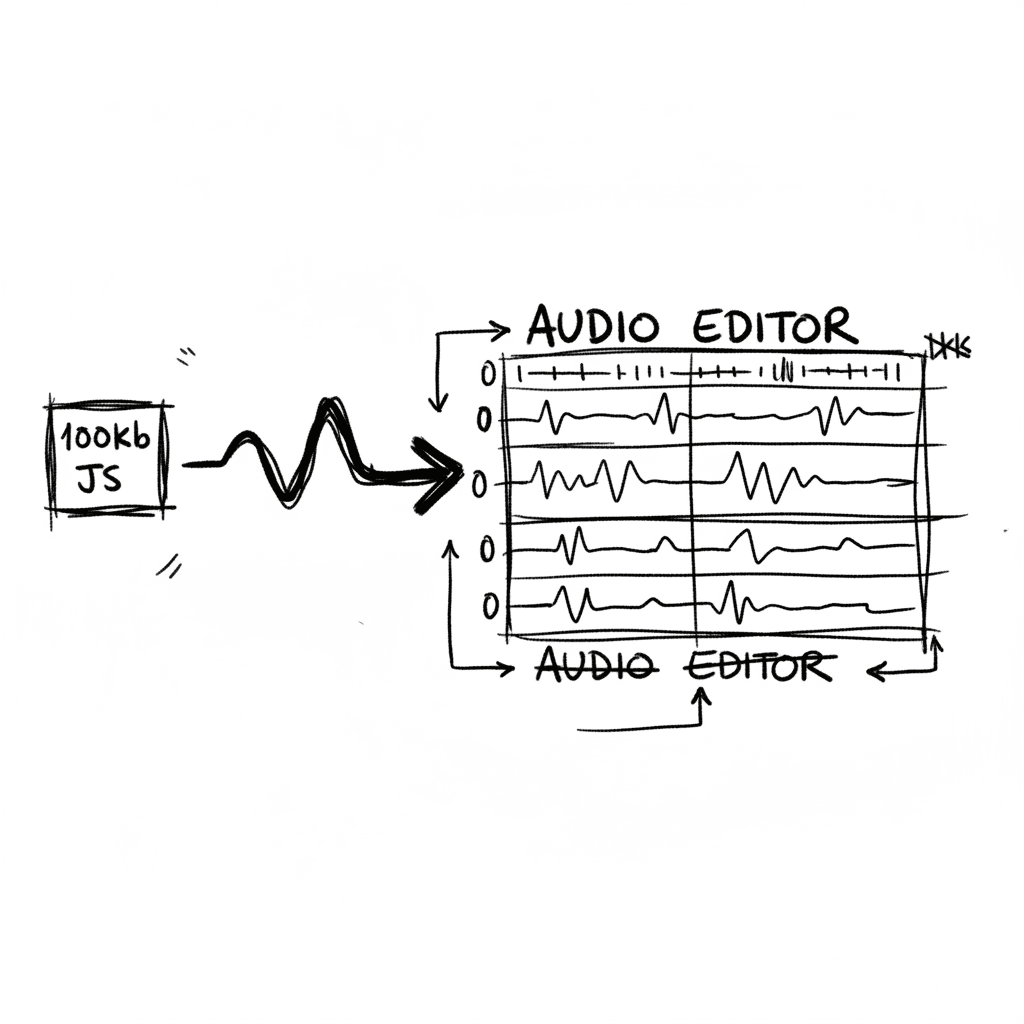
Audiomass: Multitrack Audio Editing via 100kb of Vanilla JavaScript
Audiomass is a browser-based, multitrack audio editor that operates entirely client-side with a remarkably small 100kb footprint (audiomass.co). It provides a workflow reminiscent of classic editors l
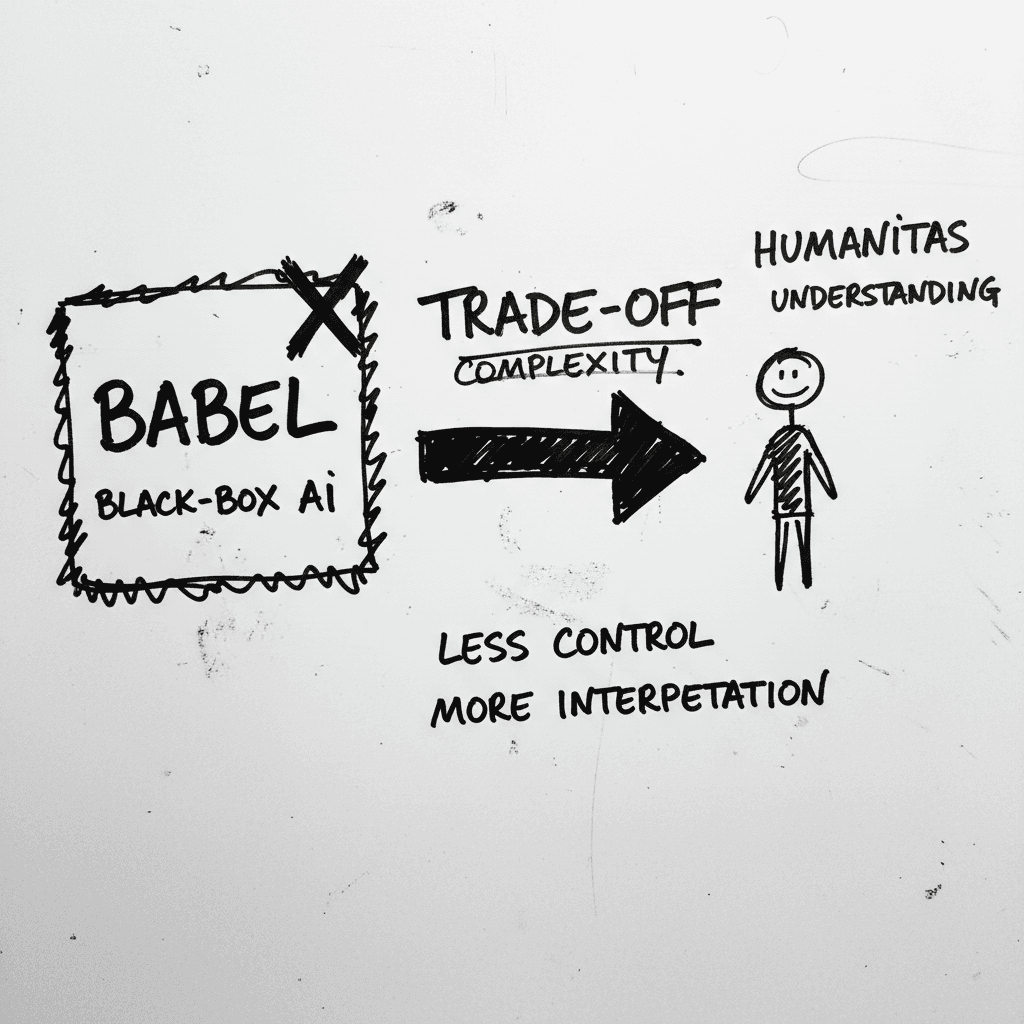
Magnifica Humanitas: The Vatican’s Framework for the GPT-5 Era
The document, signed May 15 and officially released today, was presented at the Vatican alongside Christopher Olah, co-founder of Anthropic and lead of its interpretability team (ncronline.org, Forbes
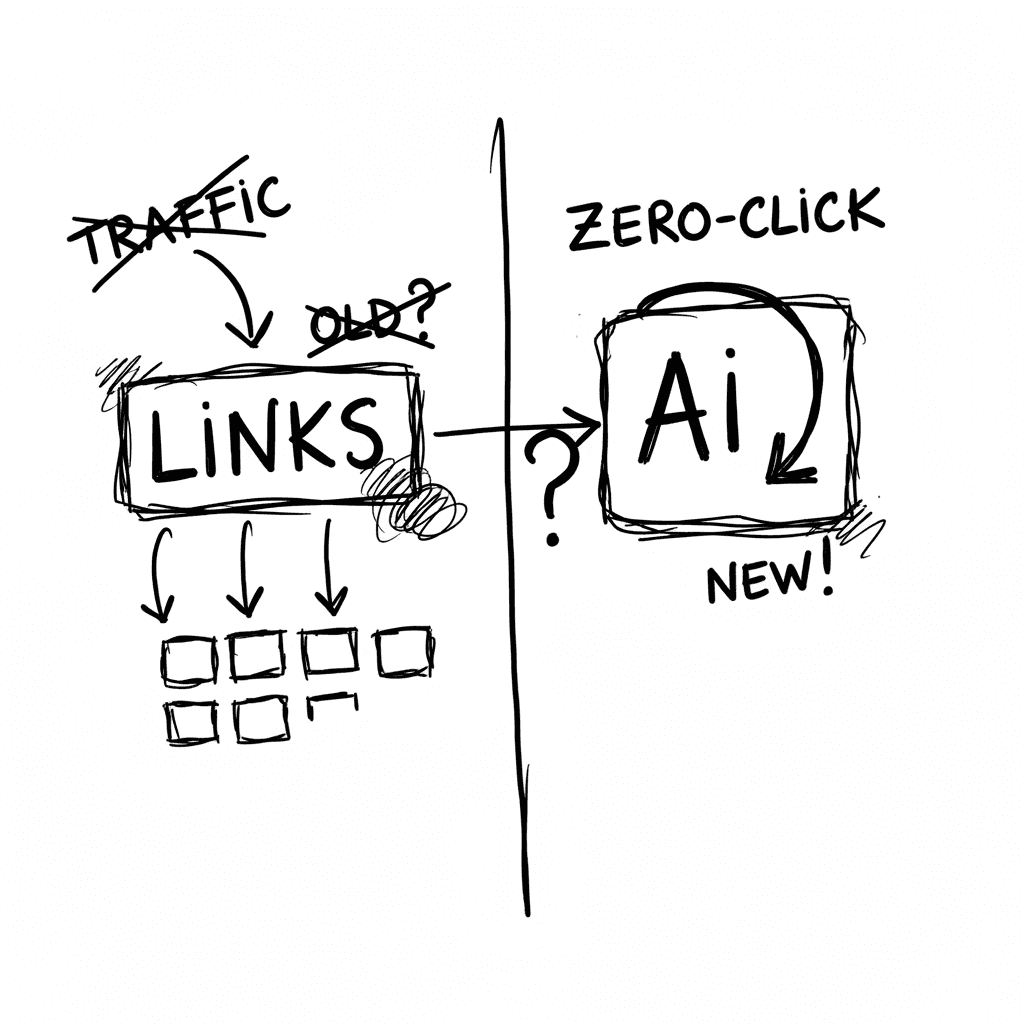
The Zero-Click Economy: Kagi Search vs. Google AI Mode
Google has effectively pivoted to an "answer engine" where Gemini 3.5 Flash provides conversational summaries, while Kagi remains the primary refuge for users seeking a human-centric, ad-free index. W
Stay Ahead of AI Adoption Trends
Get our latest reports and insights delivered to your inbox. No spam, just data.