
OpenClaw: Policy Limbo and the Anthropic CLI Loophole
Anthropic officially terminated Claude Pro subscription coverage for third-party tools on April 4, 2026 (Source: The Register). OpenClaw is currently the most-starred non-aggregator project on GitHub,

The Pitch
Anthropic officially terminated Claude Pro subscription coverage for third-party tools on April 4, 2026 (Source: The Register). OpenClaw is currently the most-starred non-aggregator project on GitHub, with 355k stars, attempting to bypass this lockdown via CLI session reuse (Source: Medium). It is the primary workaround for developers trying to maintain agentic workflows without hitting the new "extra usage" billing tiers.
Under the Hood
Technical functionality was restored via GitHub commit d378a50, which leverages existing CLI sessions to maintain third-party integration (Source: GitHub). This "sanctioned" status is based on unofficial staff conversations that currently contradict Anthropic’s formal policy change (Source: UsedBy Dossier). See Claude profile to see how 247 companies, including Notion and Quora, are navigating these integration shifts.
The security profile for OpenClaw is currently a significant concern for backend engineers. The project has 17 published CVEs in 2026, including a High-severity RCE (CVE-2026-25253) and a workspace shadow execution flaw (Source: jgamblin/OpenClawCVEs). Additionally, the v2026.4.12 Docker update reportedly mangled OAuth for those routing through Google Vertex or Gemini (Source: Reddit).
Financial risks are equally volatile, with agentic workflows potentially costing up to $5,000 per day if forced into new billing mandates (Source: Bitcoin.com). We don't know yet if Enterprise or Team plans are exempt from these charges. Anthropic’s official @AnthropicAI and @Anthropic_API accounts have released no signed policy documents regarding a CLI reversal (Source: UsedBy Dossier).
Marcus's Take
OpenClaw is a liability disguised as a utility. Running production agents on an unconfirmed CLI loophole while navigating a High-severity RCE is a recipe for a 3 a.m. incident that no amount of GitHub stars can fix. The departure of founder Peter Steinberger to OpenAI in February was the clearest signal that the "lobster way" was about to get boiled (Source: Reddit). Stick to the official Claude 4.5 Opus API at $5/$25 per million tokens; policy limbo is no place for a stable backend.
Ship clean code,
Marcus.
Marcus Webb - Senior Backend Analyst at UsedBy.ai
Related Articles

Audiomass: Multitrack Audio Editing via 100kb of Vanilla JavaScript
Audiomass is a browser-based, multitrack audio editor that operates entirely client-side with a remarkably small 100kb footprint (audiomass.co). It provides a workflow reminiscent of classic editors l
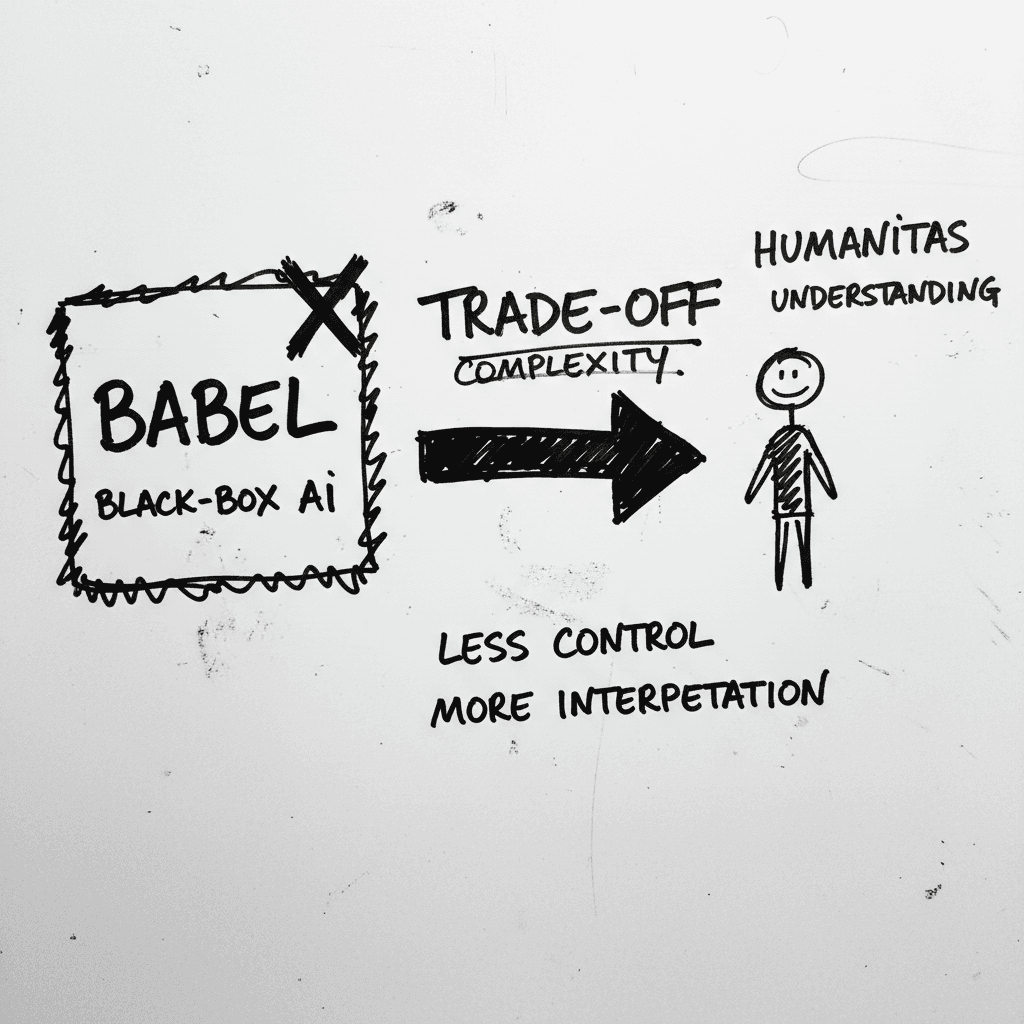
Magnifica Humanitas: The Vatican’s Framework for the GPT-5 Era
The document, signed May 15 and officially released today, was presented at the Vatican alongside Christopher Olah, co-founder of Anthropic and lead of its interpretability team (ncronline.org, Forbes
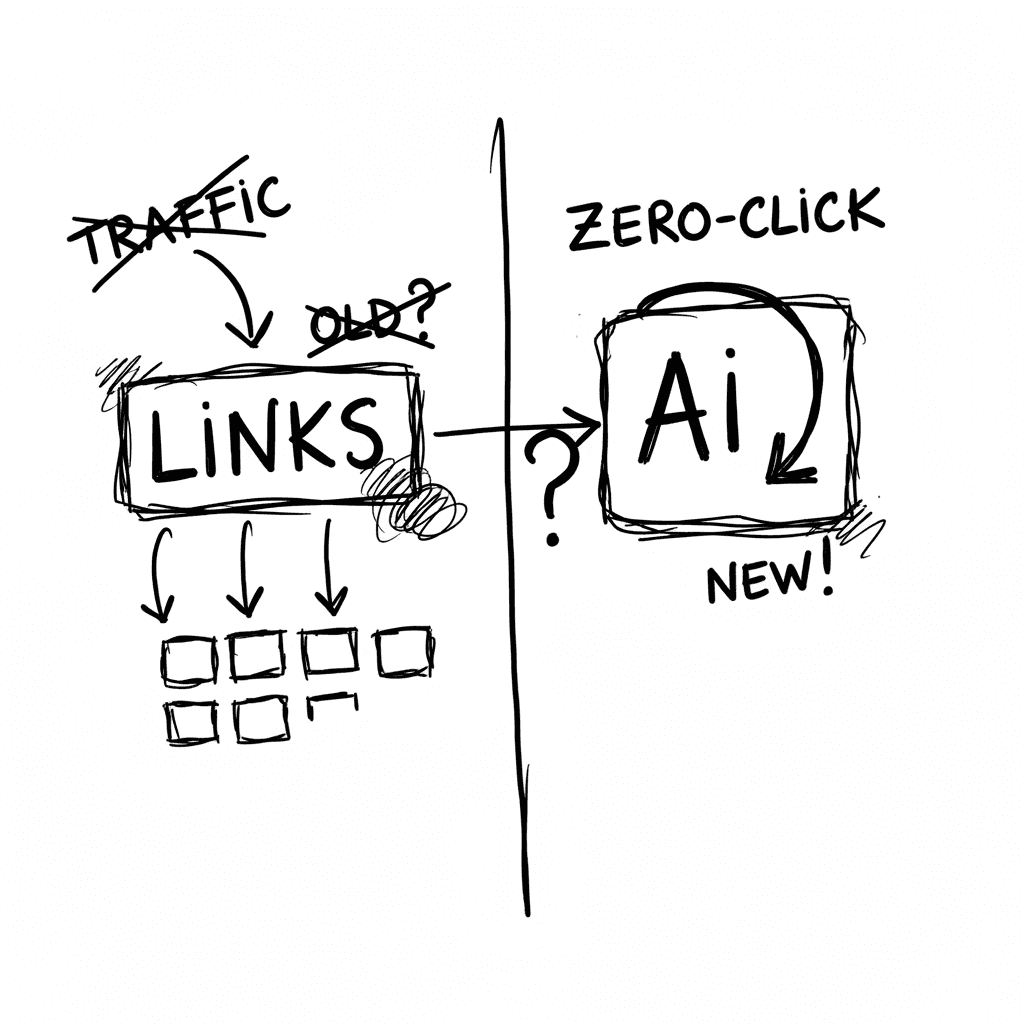
The Zero-Click Economy: Kagi Search vs. Google AI Mode
Google has effectively pivoted to an "answer engine" where Gemini 3.5 Flash provides conversational summaries, while Kagi remains the primary refuge for users seeking a human-centric, ad-free index. W
Stay Ahead of AI Adoption Trends
Get our latest reports and insights delivered to your inbox. No spam, just data.