
Percepta: Internalizing C Code Execution in Transformer Weights
Percepta has demonstrated a specialized decoding path that allows LLMs to execute arbitrary C code internally at speeds exceeding 33,000 tokens per second on standard CPU hardware (percepta.ai). The p

The Pitch
Percepta has demonstrated a specialized decoding path that allows LLMs to execute arbitrary C code internally at speeds exceeding 33,000 tokens per second on standard CPU hardware (percepta.ai). The project aims to replace external tool-calling loops with internalized symbolic computation, effectively turning the transformer itself into a deterministic execution environment. This architectural shift addresses the latency bottlenecks currently found in agentic workflows by embedding execution logic directly into the attention mechanism (percepta.ai).
Under the Hood
The system utilizes a mechanism called "Exponentially Fast Attention" which replaces standard linear context scans with logarithmic queries (percepta.ai). This allows the model to handle execution traces with significantly lower overhead than traditional autoregressive generation.
- The team verified execution of the Hungarian algorithm on a 10x10 assignment problem, reaching 33,583 tok/s on a CPU (percepta.ai).
- Percepta Labs is a Philadelphia-based Seed-stage company with approximately 1-10 employees and $1M in funding (Tracxn).
- Hacker News users have raised concerns regarding whether internal simulations suffer from the same stochastic failures as standard LLM outputs (HN Comment).
- There is a high "vaporware" risk as the proprietary attention variant has not undergone third-party stress testing (HN Comment).
We do not know yet if the "Exponentially Fast Attention" weights or the necessary C-to-token compiler will be released for public audit (missing_info). Furthermore, there is no available data comparing the memory consumption of these internal registers against the KV caching requirements of GPT-5 or Claude 4.5 Opus (missing_info).
Marcus's Take
Skip this for production, but monitor the whitepapers. While the engineering required to internalize a Turing machine within transformer weights is a compelling technical feat, the practical utility over standard tool-calling remains unproven for enterprise scale. A team of fewer than ten people with $1M in funding is unlikely to provide the long-term support needed for a core infrastructure shift (Tracxn). It is an elegant way to spend a research grant, but most of us would prefer a stable binary and a pint.
Ship clean code,
Marcus.
Marcus Webb - Senior Backend Analyst at UsedBy.ai
Related Articles
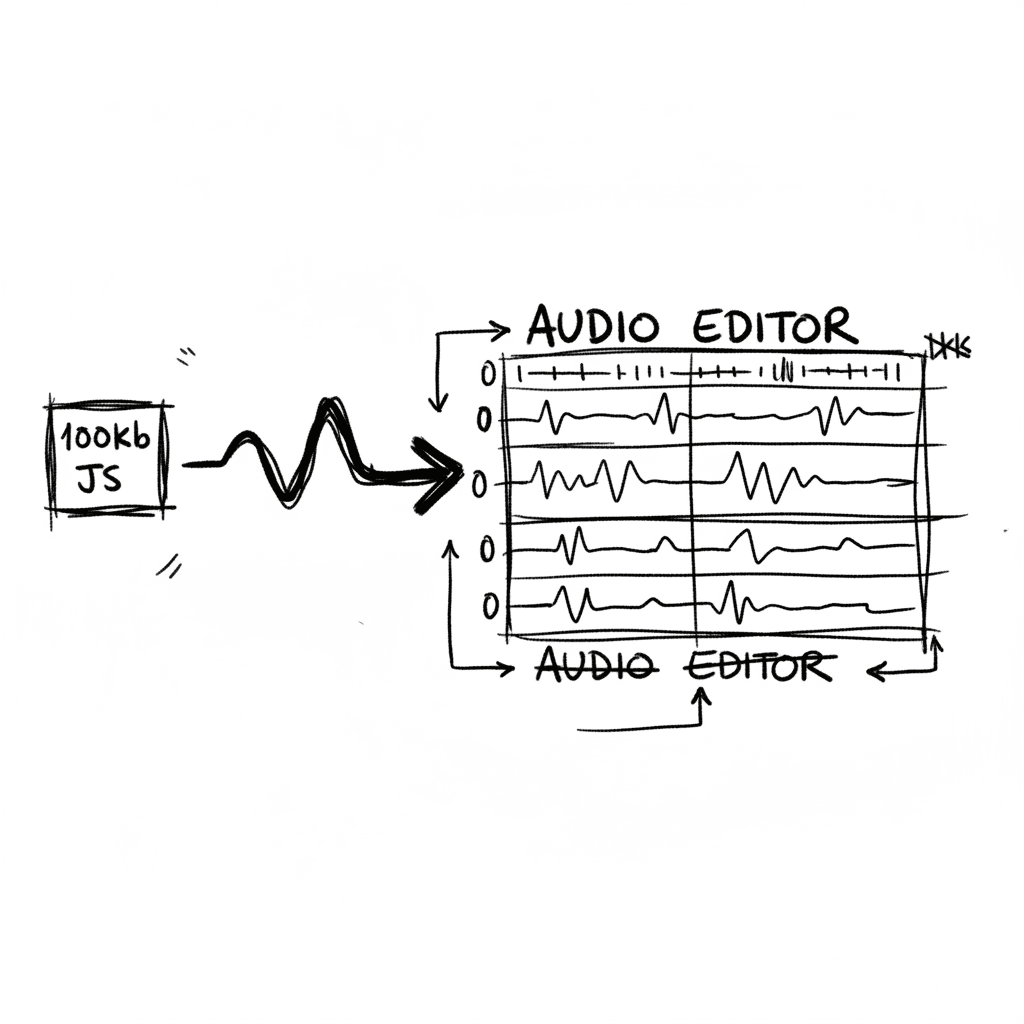
Audiomass: Multitrack Audio Editing via 100kb of Vanilla JavaScript
Audiomass is a browser-based, multitrack audio editor that operates entirely client-side with a remarkably small 100kb footprint (audiomass.co). It provides a workflow reminiscent of classic editors l
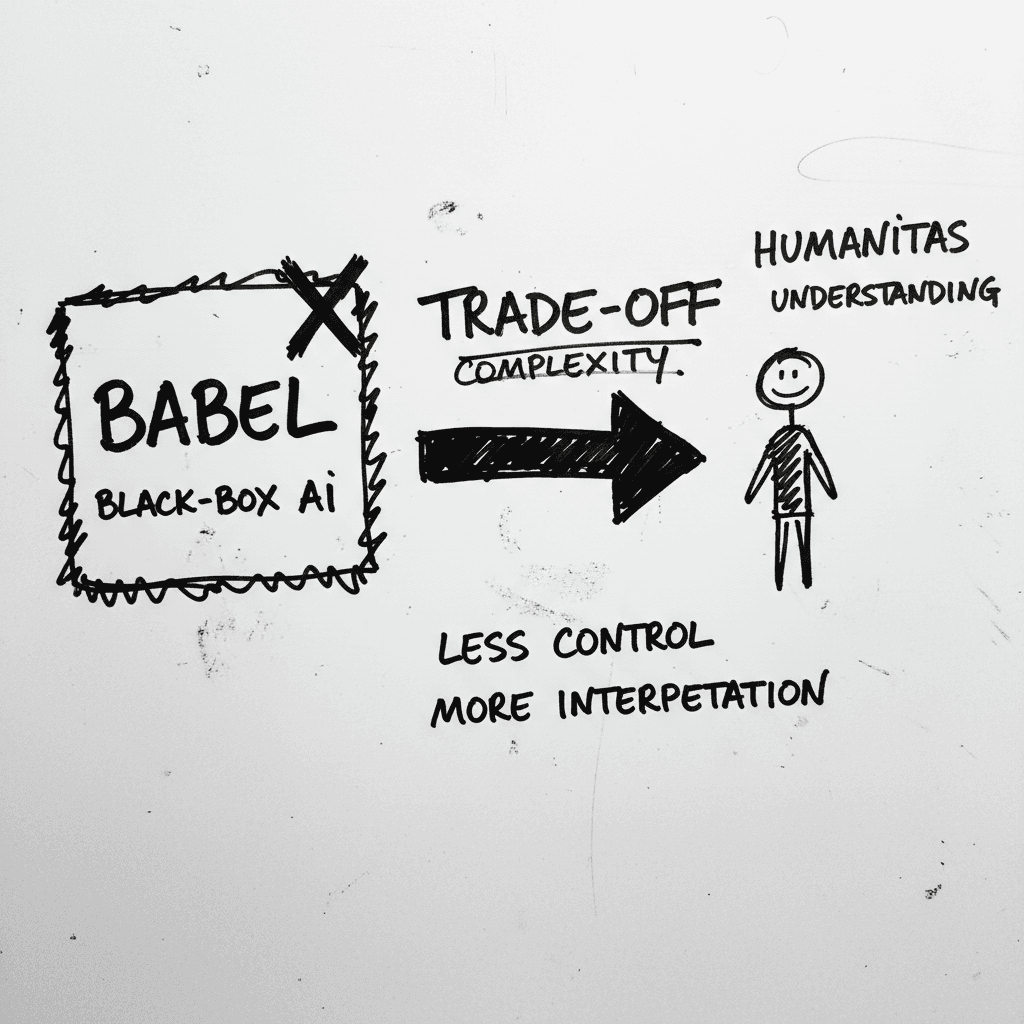
Magnifica Humanitas: The Vatican’s Framework for the GPT-5 Era
The document, signed May 15 and officially released today, was presented at the Vatican alongside Christopher Olah, co-founder of Anthropic and lead of its interpretability team (ncronline.org, Forbes
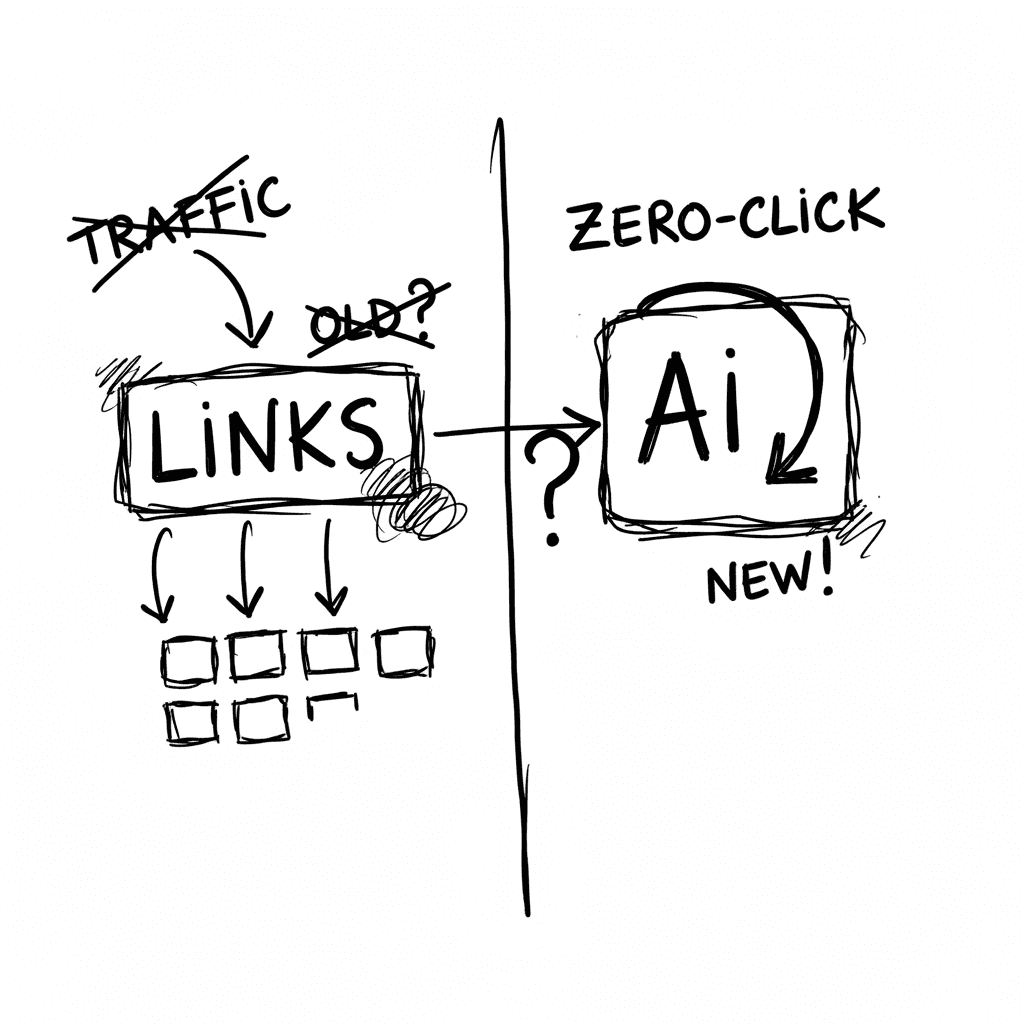
The Zero-Click Economy: Kagi Search vs. Google AI Mode
Google has effectively pivoted to an "answer engine" where Gemini 3.5 Flash provides conversational summaries, while Kagi remains the primary refuge for users seeking a human-centric, ad-free index. W
Stay Ahead of AI Adoption Trends
Get our latest reports and insights delivered to your inbox. No spam, just data.