
Pi (pi.dev): The Minimalist Response to AI IDE Bloat
Pi is a self-extensible terminal coding harness focused on execution speed and user-defined agent logic (UsedBy Dossier). It has emerged as the flagship for the "OpenClaw" movement, providing a lightw

The Pitch
Pi is a self-extensible terminal coding harness focused on execution speed and user-defined agent logic (UsedBy Dossier). It has emerged as the flagship for the "OpenClaw" movement, providing a lightweight alternative to the increasingly heavy commercial AI IDEs (GitHub).
Under the Hood
Pi is built on a custom TUI library called pi-tui which enables differential rendering for low-latency terminal updates (Mario Zechner Blog). By avoiding the "flicker" common in browser-based or Electron tools like Cursor, it maintains high performance during long streaming sessions.
The system allows developers to switch models mid-session, supporting Claude 4.5, Claude 4.6, GPT-5, and local weights like Qwen 3.5 (GitHub Changelog). Extensibility is handled via TypeScript "Skills" that hook into the agent's lifecycle, replacing the need for complex plugin architectures (Pi Documentation).
However, the architecture prioritises simplicity over safety features common in enterprise tools. The agent operates on a "YOLO by default" philosophy, meaning it executes shell commands without confirmation unless the user manually configures a gate (Mario Zechner Blog).
Currently, Pi is maintained as an open-source project by Mario Zechner under the MIT license (GitHub). We don’t know yet if there is a plan for formal corporate backing or SOC 2 compliance, as the tool targets individual engineers rather than enterprise procurement teams (UsedBy Dossier).
Marcus's Take
Pi is the correct choice for senior backend engineers who find current AI IDEs too invasive or slow. It requires a high degree of trust in your own environment due to the lack of synchronous confirmation rails, but the performance gains are undeniable. Use it as your primary terminal harness for local development, but keep it away from production environments that require strict audit logs.
Ship clean code,
Marcus.
Marcus Webb - Senior Backend Analyst at UsedBy.ai
Related Articles
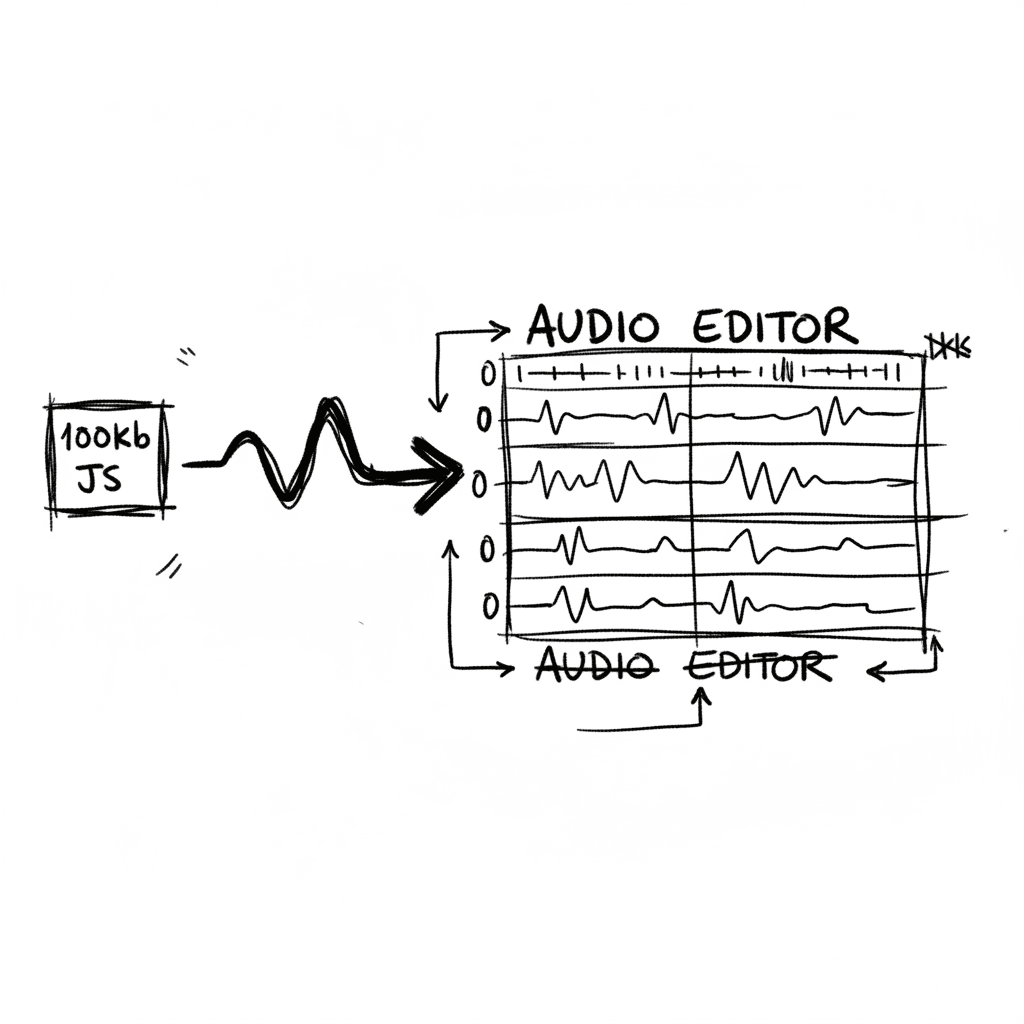
Audiomass: Multitrack Audio Editing via 100kb of Vanilla JavaScript
Audiomass is a browser-based, multitrack audio editor that operates entirely client-side with a remarkably small 100kb footprint (audiomass.co). It provides a workflow reminiscent of classic editors l
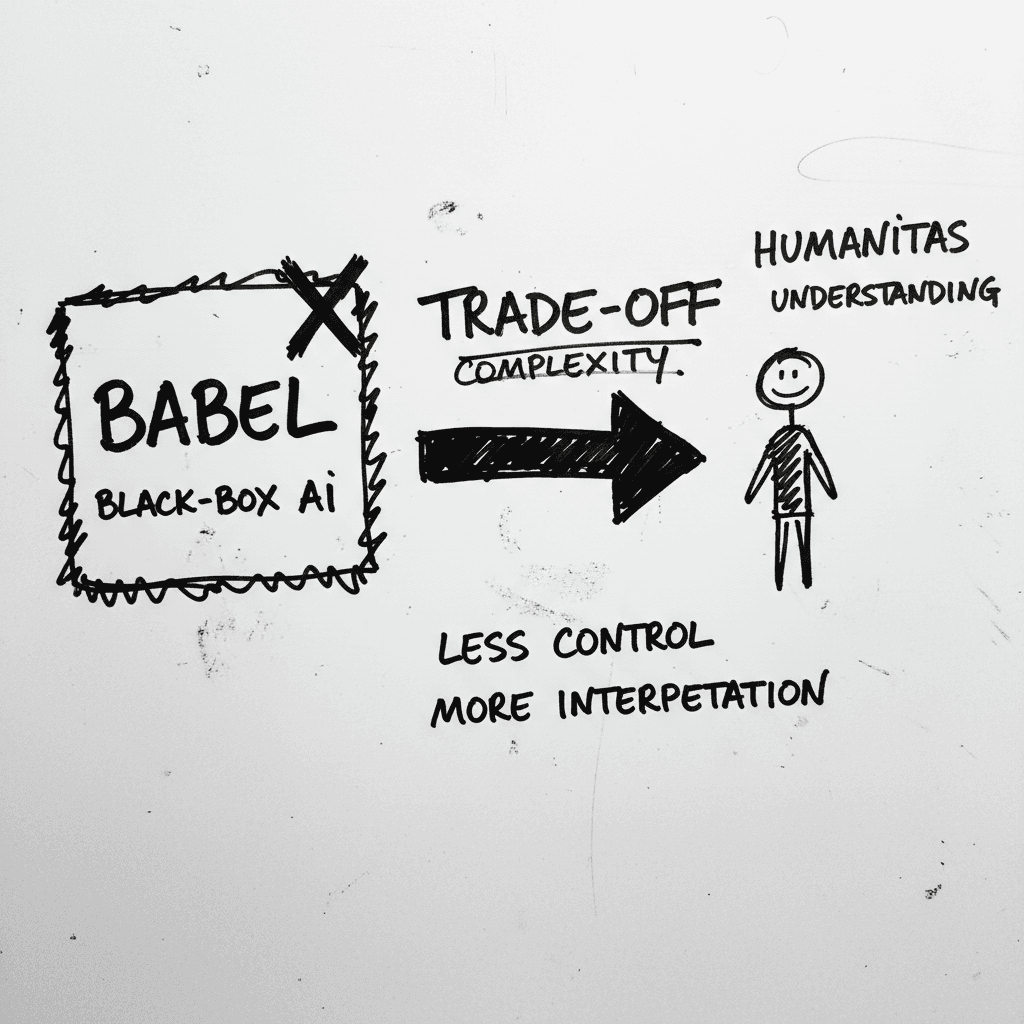
Magnifica Humanitas: The Vatican’s Framework for the GPT-5 Era
The document, signed May 15 and officially released today, was presented at the Vatican alongside Christopher Olah, co-founder of Anthropic and lead of its interpretability team (ncronline.org, Forbes
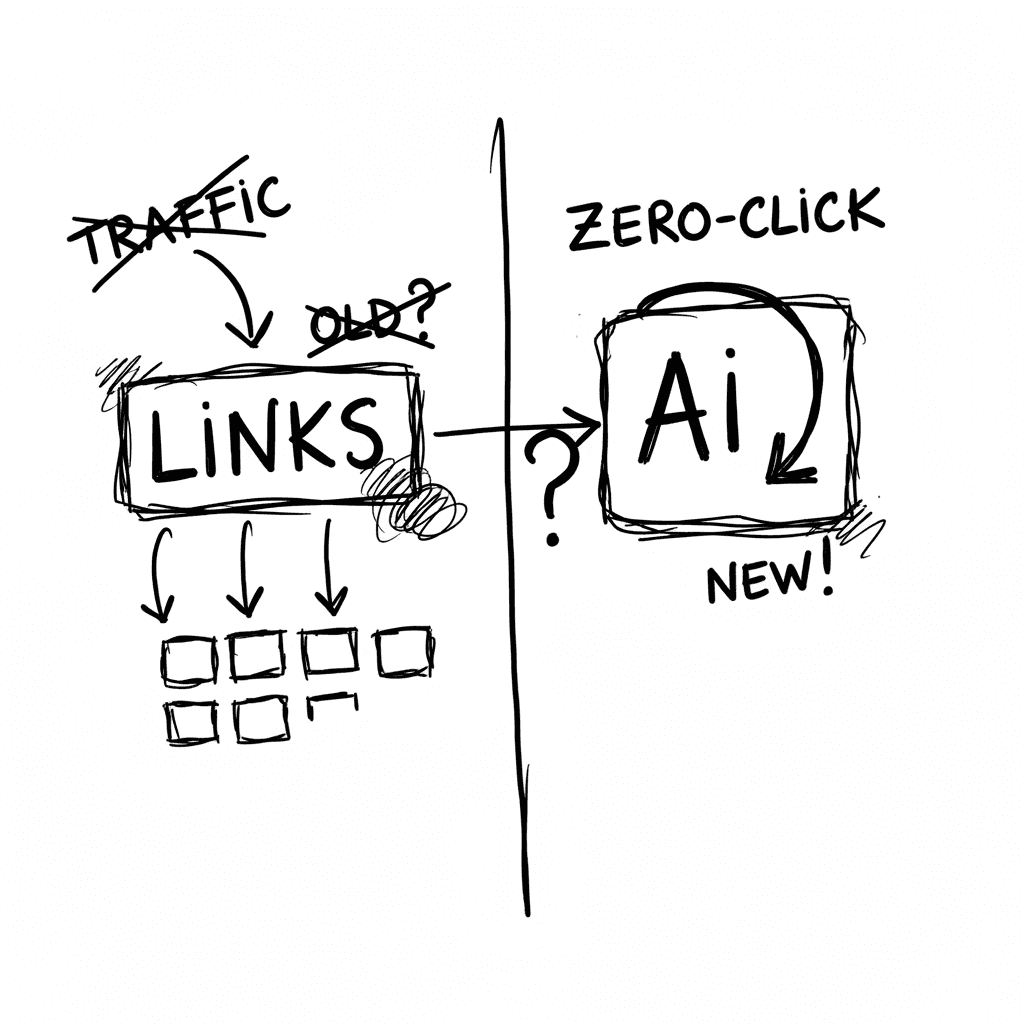
The Zero-Click Economy: Kagi Search vs. Google AI Mode
Google has effectively pivoted to an "answer engine" where Gemini 3.5 Flash provides conversational summaries, while Kagi remains the primary refuge for users seeking a human-centric, ad-free index. W
Stay Ahead of AI Adoption Trends
Get our latest reports and insights delivered to your inbox. No spam, just data.