
SVG Path Editor: Manual Precision in the Age of Generative Bloat
SVG Path Editor is a browser-based utility focused exclusively on the manipulation and optimization of the 'd' attribute in vector graphics. While GPT-5 and Claude 4.5 Opus can generate icons from nat

The Pitch
SVG Path Editor is a browser-based utility focused exclusively on the manipulation and optimization of the 'd' attribute in vector graphics. While GPT-5 and Claude 4.5 Opus can generate icons from natural language, they consistently produce bloated coordinate strings that require manual "path surgery" for production-grade performance.
Under the Hood
The tool operates on 100% client-side execution, ensuring that no sensitive path data is transmitted to external servers (source: HN observation). This is a critical security consideration for enterprise environments where proprietary iconography remains an internal asset.
The engine provides bi-directional conversion between relative and absolute coordinates and includes an automatic path minification feature (GIGAZINE, Jan 2026). This allows developers to strip the unnecessary decimal precision frequently hallucinated by current generative models.
Key technical features include:
- Open-source codebase under the MIT License (GitHub: yqnn/svg-path-editor).
- Hover-to-highlight mapping that links specific code commands to visual segments.
- Real-time visual feedback for manual coordinate adjustments.
- Strict focus on the SVG path string rather than full document metadata.
The tool lacks native integration with 2026 AI workflows, meaning there are no direct API hooks for GPT-5 or Claude 4.5 to automate the refinement process (UsedBy Dossier). We also don't know yet if the project will support advanced SVG 2.0 path features, as the long-term roadmap remains unpublished.
Marcus's Take
Use it in production for every SVG that passes through your CI/CD pipeline. LLMs still treat coordinate precision as a creative suggestion rather than a mathematical requirement, and shipping raw GPT-5 vectors is a recipe for DOM bloat. This is a surgical instrument, not a drawing board; use it to fix what the "intelligent" models broke.
Ship clean code,
Marcus.
Marcus Webb - Senior Backend Analyst at UsedBy.ai
Related Articles
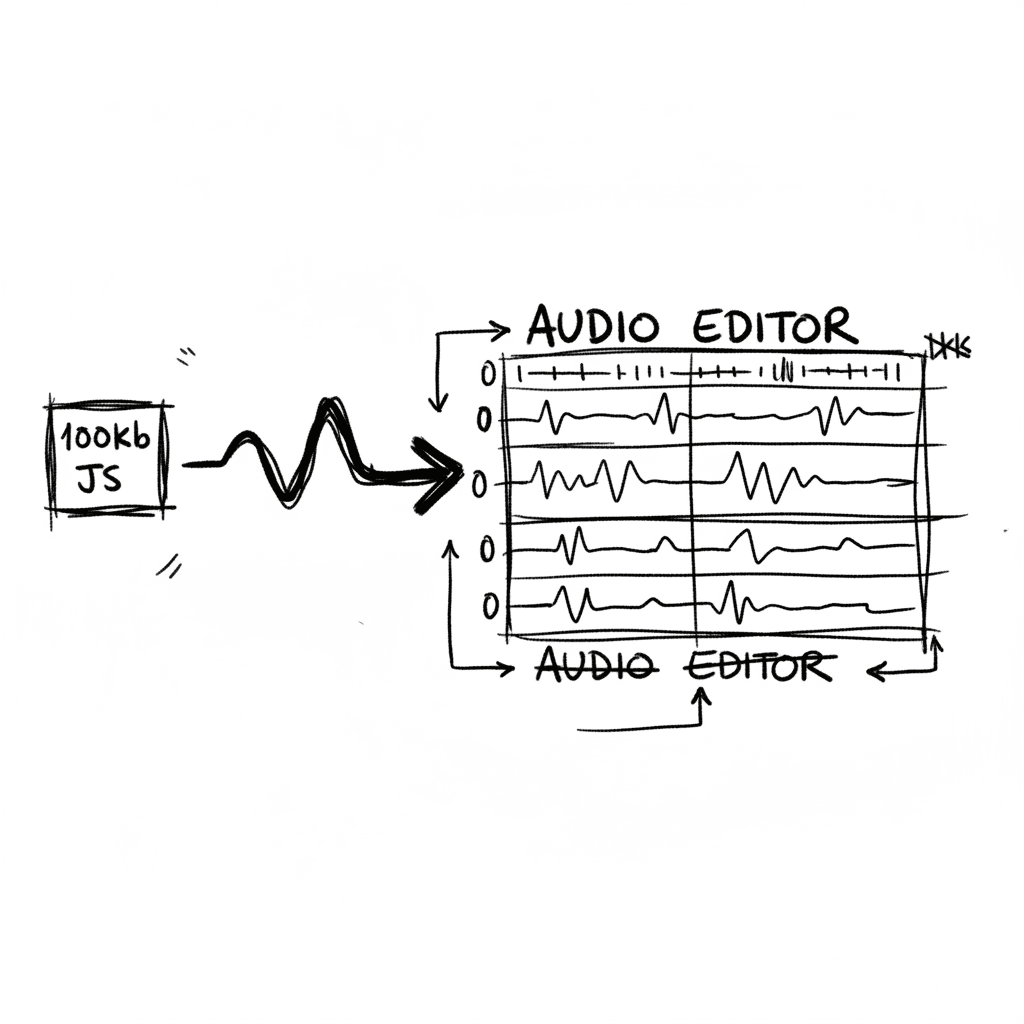
Audiomass: Multitrack Audio Editing via 100kb of Vanilla JavaScript
Audiomass is a browser-based, multitrack audio editor that operates entirely client-side with a remarkably small 100kb footprint (audiomass.co). It provides a workflow reminiscent of classic editors l
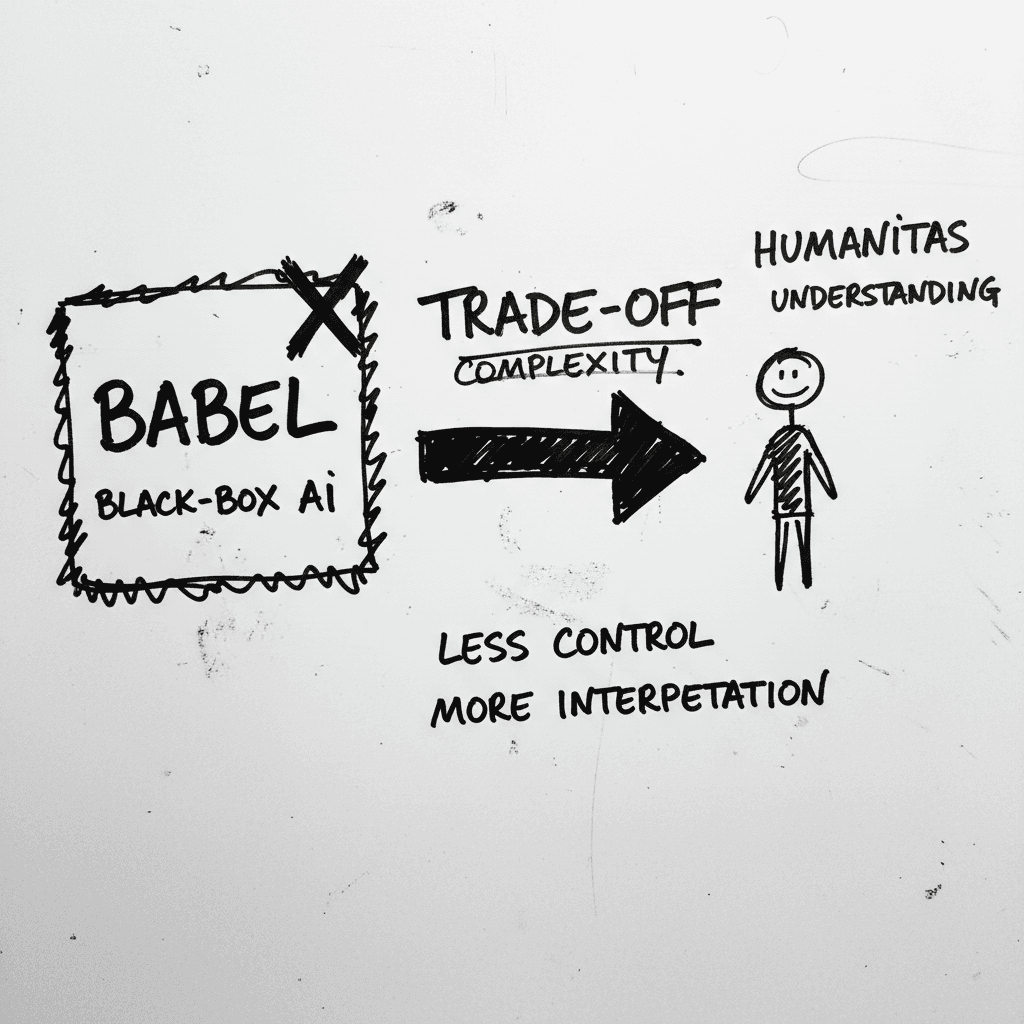
Magnifica Humanitas: The Vatican’s Framework for the GPT-5 Era
The document, signed May 15 and officially released today, was presented at the Vatican alongside Christopher Olah, co-founder of Anthropic and lead of its interpretability team (ncronline.org, Forbes
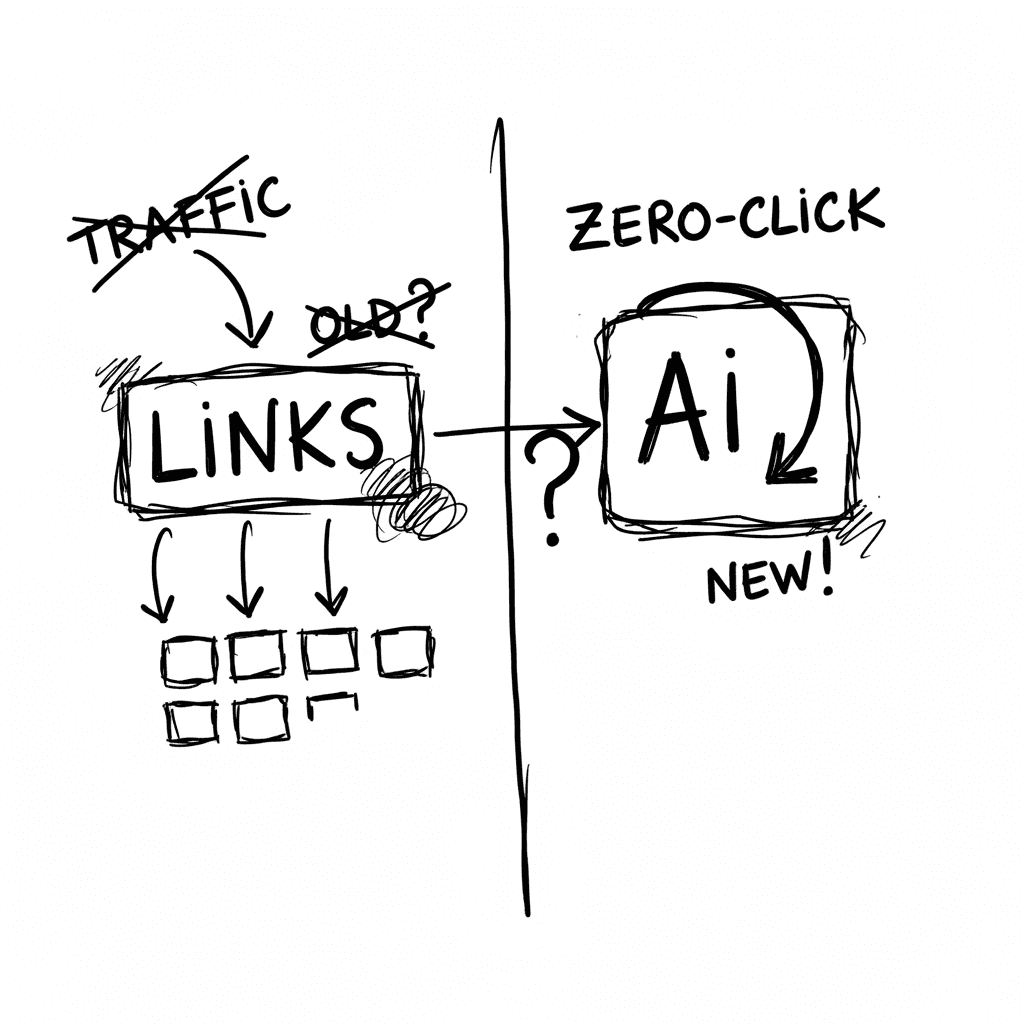
The Zero-Click Economy: Kagi Search vs. Google AI Mode
Google has effectively pivoted to an "answer engine" where Gemini 3.5 Flash provides conversational summaries, while Kagi remains the primary refuge for users seeking a human-centric, ad-free index. W
Stay Ahead of AI Adoption Trends
Get our latest reports and insights delivered to your inbox. No spam, just data.