
The mechanics of POSIX stderr redirection: 2>&1
The syntax is widely considered archaic because the '&' symbol serves dual purposes depending on its position (Source: HN Comment). It acts as both a backgrounding operator and a file descriptor r

The Pitch
The 2>&1 operator is the foundational method for merging Standard Error into Standard Output across Unix-like environments. Despite the shift toward GPT-5 and Claude 4.5 assisted development, this syntax remains the bedrock of shell scripting and container logging (Source: man-pages). It is a low-level tool that every backend engineer eventually misuses in a production environment.
Under the Hood
At the kernel level, the syntax maps directly to the dup2(1, 2) system call (Source: HN Comment / POSIX API). File descriptor 2 (stderr) is duplicated to point to the same resource as file descriptor 1 (stdout). This is a low-level operation within the POSIX execution environment that predates modern abstraction layers (Source: man-pages).
The primary risk lies in its strict left-to-right execution order (Source: HN Comment). A common failure in CI/CD pipelines is the sequence 2>&1 > file, which points stderr to the original stdout destination before stdout is redirected. This leads to silent logging failures where error traces are lost entirely.
The syntax is widely considered archaic because the '&' symbol serves dual purposes depending on its position (Source: HN Comment). It acts as both a backgrounding operator and a file descriptor reference. This creates significant friction for developers entering the field in the current LLM-dominated era of 2026.
Despite these UX flaws, the syntax has been adopted by Microsoft PowerShell to maintain developer muscle memory (Source: HN Comment). It remains the industry standard for stream merging, even if it feels like a relic of a previous century.
We do not know the exact performance overhead comparison between raw 2>&1 redirection and modern structured logging in high-concurrency 2026 environments. Additionally, the long-term support roadmap for this syntax in the "AI-first" shells emerging this year has not been made public (UsedBy Dossier).
Marcus's Take
You cannot avoid 2>&1, but you should stop pretending it is elegant. It is a low-level syscall masquerading as a language feature, and it treats developers with the same warmth as a wet Tuesday in Slough. Use it for standard container logging and legacy compatibility, but ensure your CI/CD linter specifically checks for redirection order. In 2026, if your architecture allows for structured logging at the application level, use that instead of relying on shell-level stream manipulation.
Ship clean code,
Marcus.
Marcus Webb - Senior Backend Analyst at UsedBy.ai
Related Articles
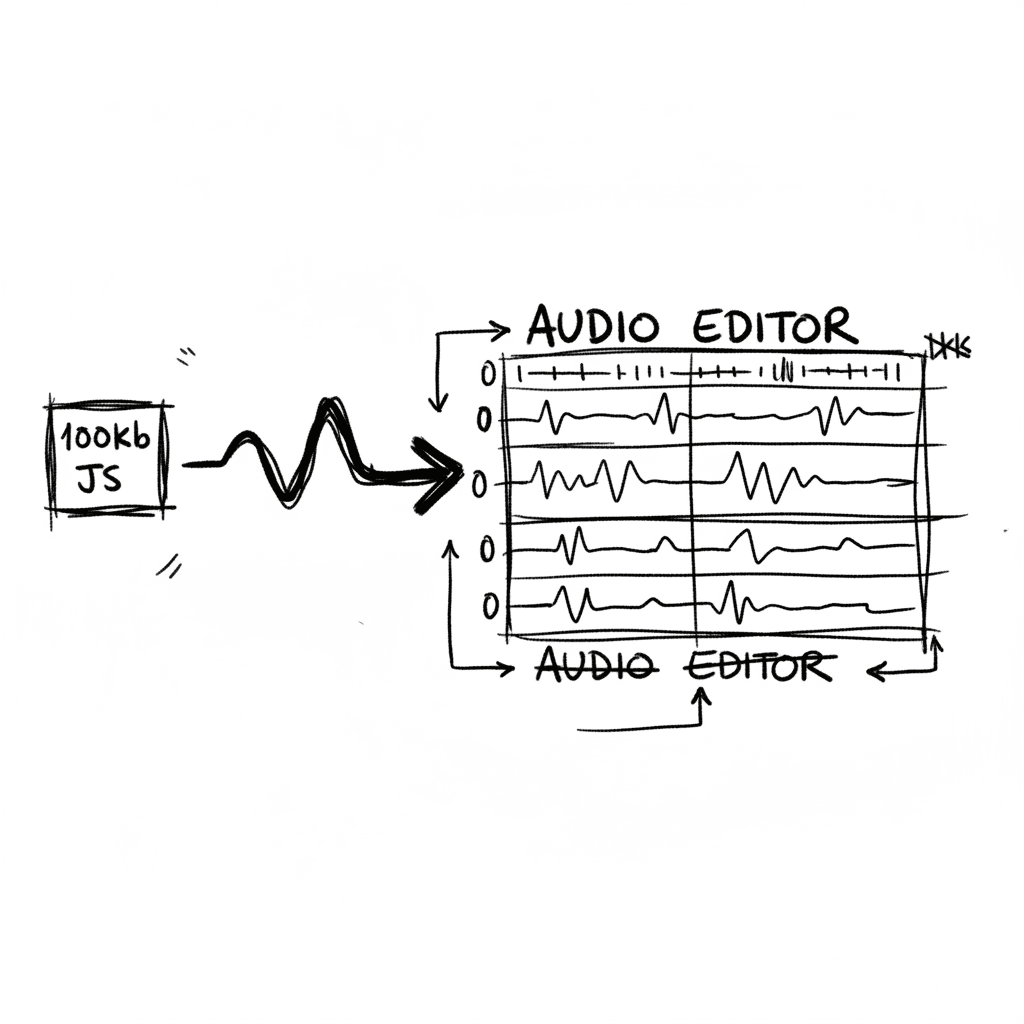
Audiomass: Multitrack Audio Editing via 100kb of Vanilla JavaScript
Audiomass is a browser-based, multitrack audio editor that operates entirely client-side with a remarkably small 100kb footprint (audiomass.co). It provides a workflow reminiscent of classic editors l
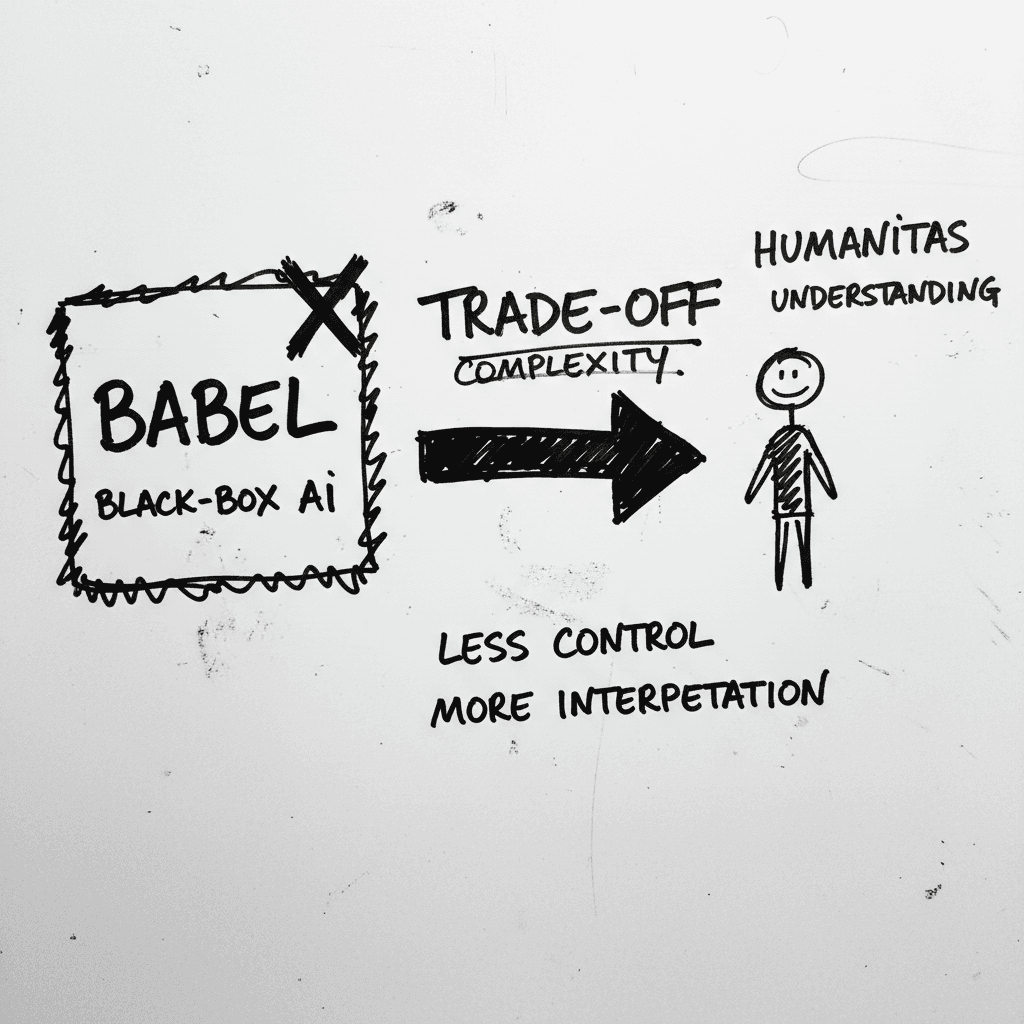
Magnifica Humanitas: The Vatican’s Framework for the GPT-5 Era
The document, signed May 15 and officially released today, was presented at the Vatican alongside Christopher Olah, co-founder of Anthropic and lead of its interpretability team (ncronline.org, Forbes
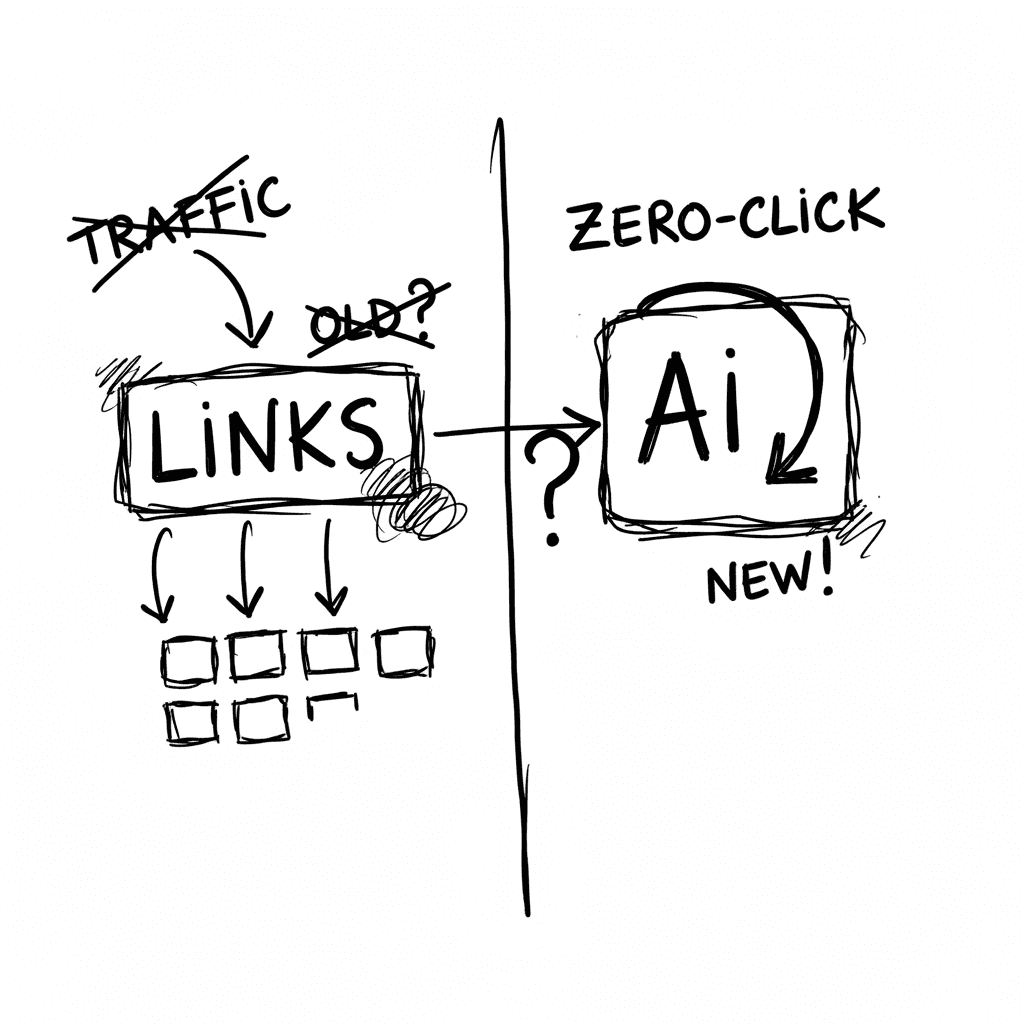
The Zero-Click Economy: Kagi Search vs. Google AI Mode
Google has effectively pivoted to an "answer engine" where Gemini 3.5 Flash provides conversational summaries, while Kagi remains the primary refuge for users seeking a human-centric, ad-free index. W
Stay Ahead of AI Adoption Trends
Get our latest reports and insights delivered to your inbox. No spam, just data.