
The Technical Fragmentation of the Windows App SDK
Microsoft claims WinUI 3 and the Windows App SDK provide a modern, high-performance framework for building native Windows applications that align with current Fluent Design standards. It is positioned

The Pitch
Microsoft claims WinUI 3 and the Windows App SDK provide a modern, high-performance framework for building native Windows applications that align with current Fluent Design standards. It is positioned as the definitive successor to UWP and WPF for developers targeting the Windows 11 ecosystem.
Under the Hood
The reality of Windows native development in 2026 is defined by architectural fragmentation and persistent performance debt. Jeffrey Snover, the creator of PowerShell, recently stated that Microsoft hasn't maintained a coherent GUI strategy since the Charles Petzold era (jsnover.com/blog/2026/03/13). This lack of direction manifests in WinUI 3 as a framework that often prioritizes marketing-ready features over the core stability required by enterprise backend and desktop teams.
Current performance benchmarks remain problematic. Even on modern Snapdragon X2 and Lunar Lake architectures, WinUI 3 applications suffer from UI stuttering and laggy window resizing (Reddit r/Windows11, March 2026). It is an indictment of the current abstraction layers that basic window operations feel more sluggish on 2026 hardware with 32GB of RAM than legacy Win32 applications did on hardware from twenty years ago (HN Comment).
Developers are increasingly looking elsewhere to avoid the risk of framework abandonment. Teams at JetBrains and GitHub are reportedly adopting third-party alternatives like Avalonia and Uno Platform rather than committing to the official Microsoft stack (jsnover.com). This shift is driven by the historical "orphaning" of developers who invested in Silverlight and UWP.
Critical technical data is still missing from the public record. We don't know yet if there is a definitive 5-year support roadmap for WinUI 3 (UsedBy Dossier). Furthermore, Microsoft has not released official benchmarks comparing the overhead of WinUI 3 against legacy Win32 or WPF on current 2026 hardware (UsedBy Dossier).
Marcus's Take
Skip WinUI 3 for any mission-critical production software. The framework is a "Frankenstein" interface layer that adds significant performance overhead without providing the stability of the Win32 API. Microsoft’s tendency to launch frameworks for keynotes rather than long-term maintenance makes WinUI 3 a high-risk bet for any lead dev. If you need a modern UI, look at Avalonia or stay with WPF; at least those frameworks won't be replaced the next time a marketing executive wants to pitch an "AI-first" UI.
Ship clean code,
Marcus.
Marcus Webb - Senior Backend Analyst at UsedBy.ai
Related Articles
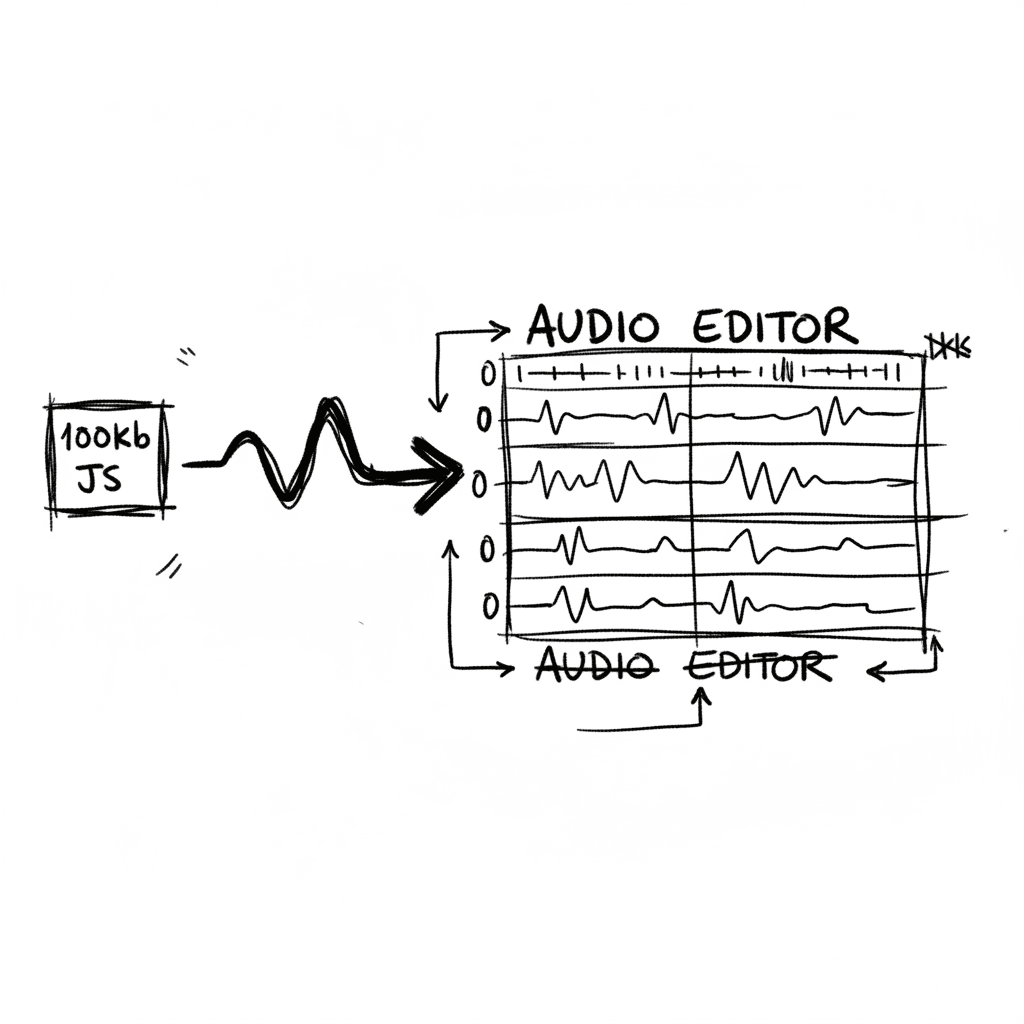
Audiomass: Multitrack Audio Editing via 100kb of Vanilla JavaScript
Audiomass is a browser-based, multitrack audio editor that operates entirely client-side with a remarkably small 100kb footprint (audiomass.co). It provides a workflow reminiscent of classic editors l
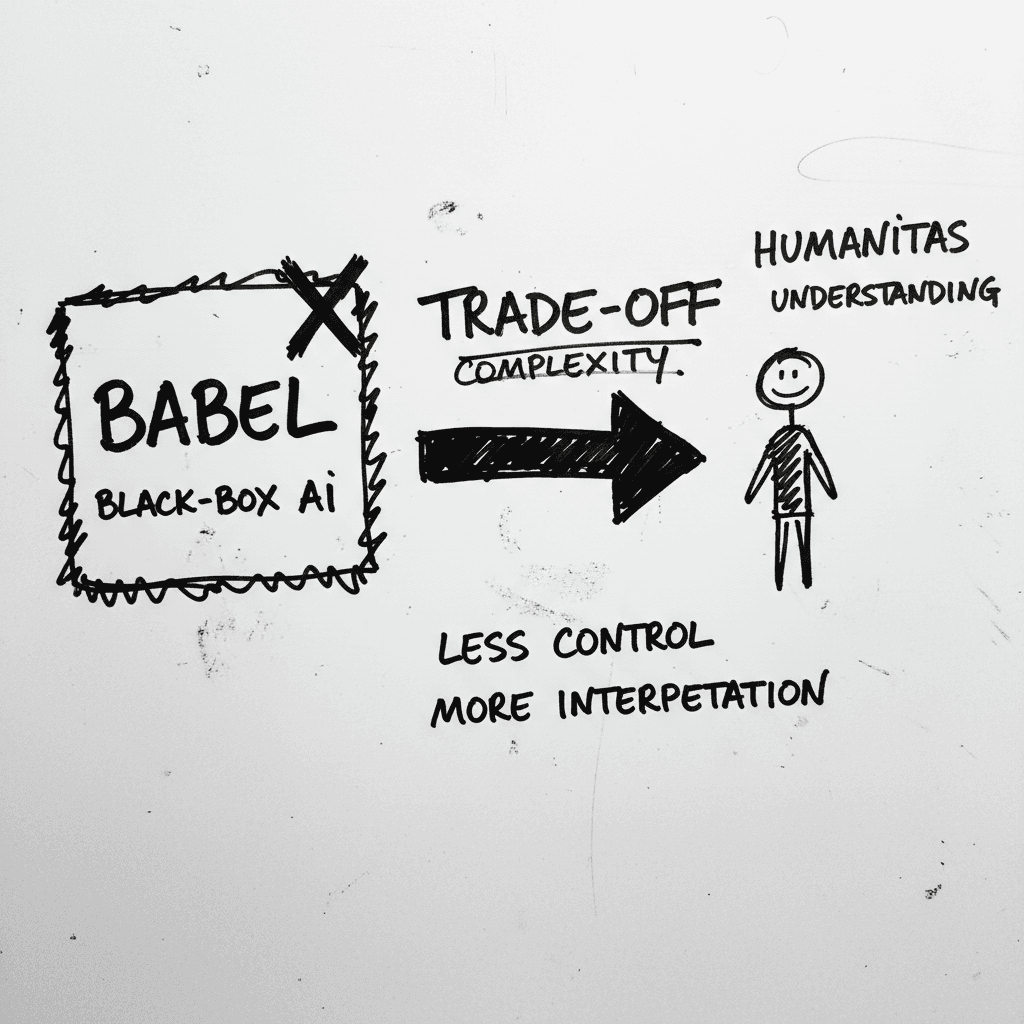
Magnifica Humanitas: The Vatican’s Framework for the GPT-5 Era
The document, signed May 15 and officially released today, was presented at the Vatican alongside Christopher Olah, co-founder of Anthropic and lead of its interpretability team (ncronline.org, Forbes
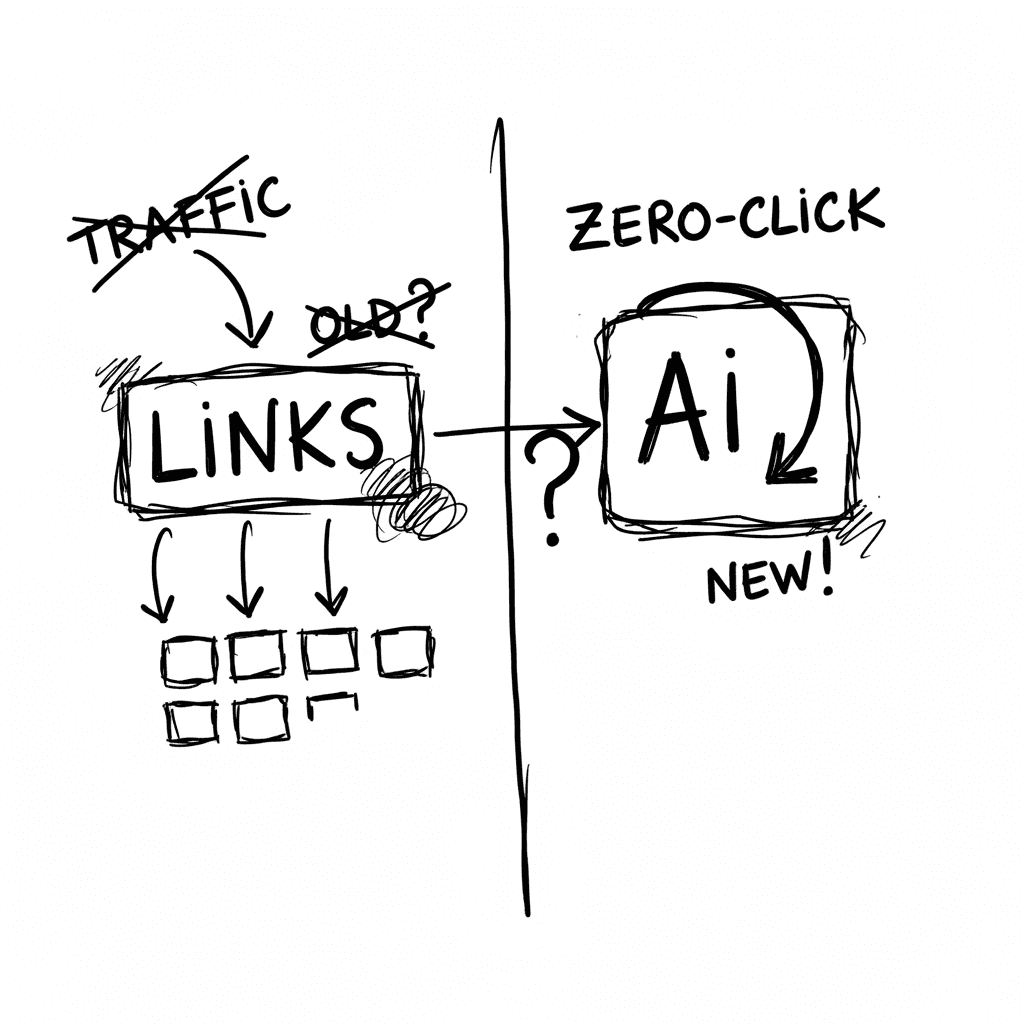
The Zero-Click Economy: Kagi Search vs. Google AI Mode
Google has effectively pivoted to an "answer engine" where Gemini 3.5 Flash provides conversational summaries, while Kagi remains the primary refuge for users seeking a human-centric, ad-free index. W
Stay Ahead of AI Adoption Trends
Get our latest reports and insights delivered to your inbox. No spam, just data.