
Vibe Coding: Logic Abstraction and the 80% SWE-bench Threshold
Vibe coding shifts the developer’s role from writing syntax to managing high-level intent via LLMs like Claude 4.5 Opus and GPT-5.2. Proponents claim 10x productivity gains by using agentic workflows

The Pitch
Vibe coding shifts the developer’s role from writing syntax to managing high-level intent via LLMs like Claude 4.5 Opus and GPT-5.2. Proponents claim 10x productivity gains by using agentic workflows to bypass the boilerplate of traditional software engineering.
Under the Hood
Claude 4.5 Opus is currently the state-of-the-art for autonomous coding, scoring 80.9% on SWE-bench Verified (source: Faros AI). This marginal lead over GPT-5.2's 80.0% has solidified Anthropic's position in the engineering stack as of early 2026.
Despite the increased output, the reality of "vibe" based development is more fractured:
- 66% of developers report spending significant time fixing "almost-right" AI-generated logic (source: Faros AI).
- OpenAI’s GPT-5.2 uses context compaction to manage long-horizon agentic tasks but remains prone to architectural hallucinations (source: OpenAI).
- Anthropic’s Claude Code now supports autonomous codebase-wide fixes within a 1M token context window (source: Anthropic).
- High-reasoning output remains expensive, with Claude 4.5 Opus costing $25 per 1M tokens (source: Anthropic).
- Aral Balkan’s 2025 "clay" metaphor warns that skipping the struggle of creation leads to a "simulacrum" of a product rather than a functional one (source: Mastodon @aral).
We don't know yet how these AI-architected systems will perform in terms of long-term maintainability. Furthermore, the impact on junior developer hiring for roles that require deep thinking versus "vibe technician" roles is not public information (UsedBy Dossier).
Marcus's Take
Use vibe coding for rapid prototyping, but keep it far away from your core production infrastructure. We are seeing codebases become "a mile wide and a meter deep," creating a layer of technical debt that requires constant, expensive AI intervention to navigate. If you cannot explain your system architecture without querying an agent, you haven't built a product; you've just rented a temporary solution from Anthropic. It's a marvelous way to ship a feature by Friday and spend the next six months wondering why the high-load latency is non-deterministic.
Ship clean code,
Marcus.
Marcus Webb - Senior Backend Analyst at UsedBy.ai
Related Articles
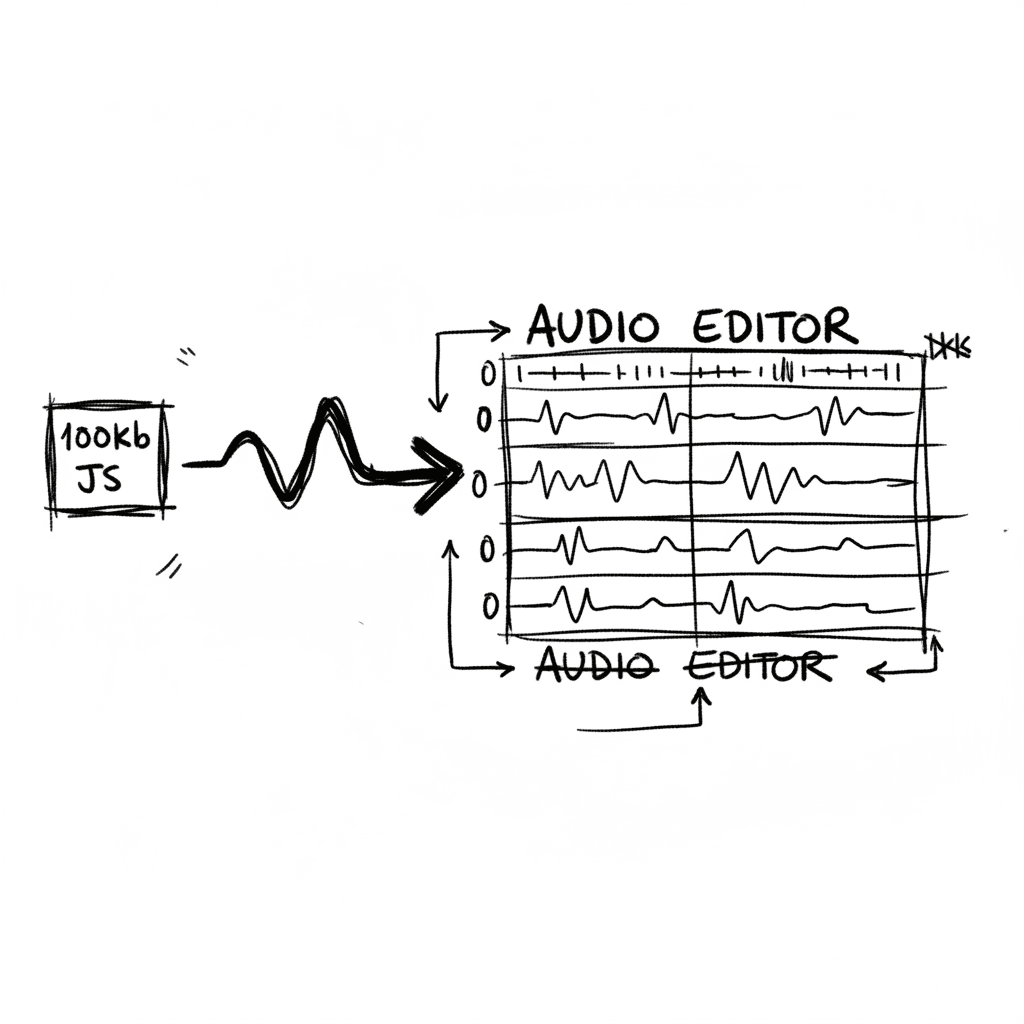
Audiomass: Multitrack Audio Editing via 100kb of Vanilla JavaScript
Audiomass is a browser-based, multitrack audio editor that operates entirely client-side with a remarkably small 100kb footprint (audiomass.co). It provides a workflow reminiscent of classic editors l
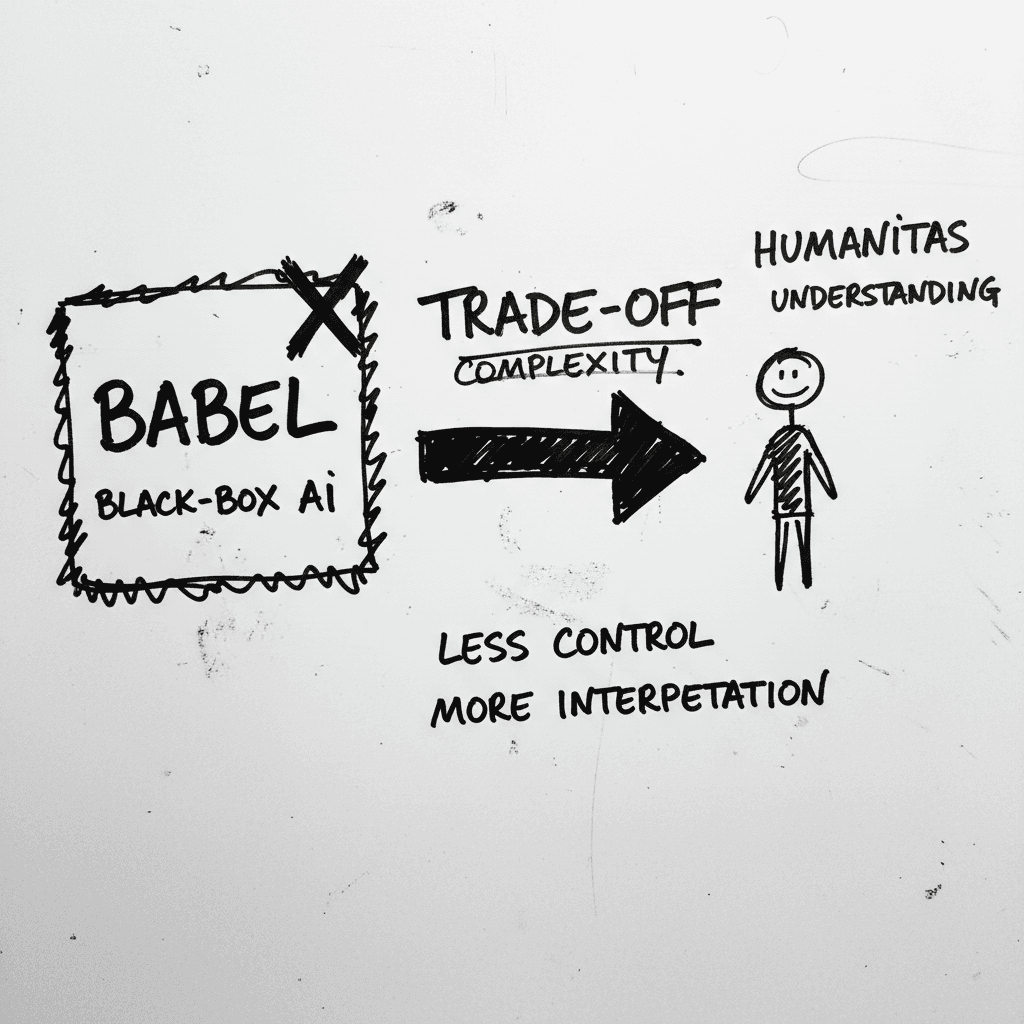
Magnifica Humanitas: The Vatican’s Framework for the GPT-5 Era
The document, signed May 15 and officially released today, was presented at the Vatican alongside Christopher Olah, co-founder of Anthropic and lead of its interpretability team (ncronline.org, Forbes
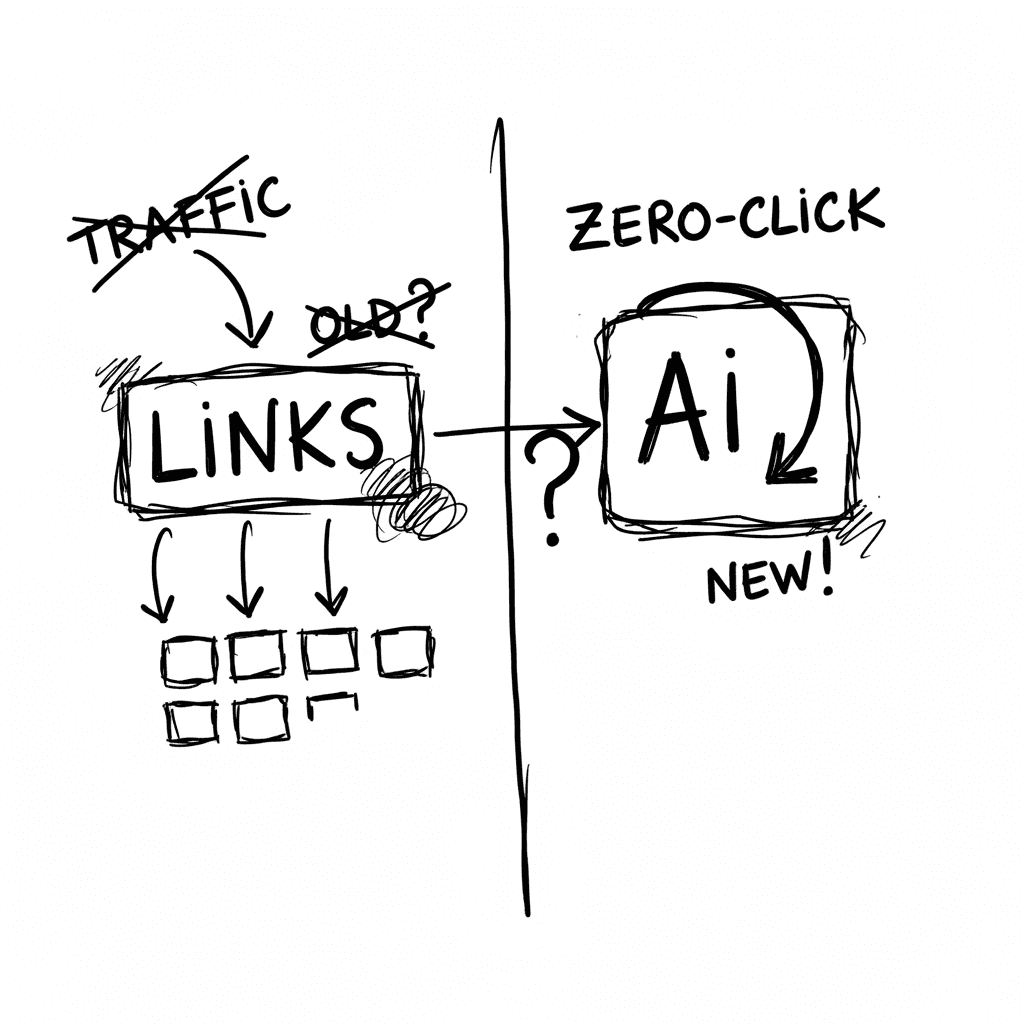
The Zero-Click Economy: Kagi Search vs. Google AI Mode
Google has effectively pivoted to an "answer engine" where Gemini 3.5 Flash provides conversational summaries, while Kagi remains the primary refuge for users seeking a human-centric, ad-free index. W
Stay Ahead of AI Adoption Trends
Get our latest reports and insights delivered to your inbox. No spam, just data.