
Vite 8.0 and the Transition to Rolldown
Vite 8.0 has replaced the esbuild/Rollup hybrid with Rolldown, a unified Rust-based bundler designed for performance parity between dev and prod. By consolidating the toolchain, the project claims to

The Pitch
Vite 8.0 has replaced the esbuild/Rollup hybrid with Rolldown, a unified Rust-based bundler designed for performance parity between dev and prod. By consolidating the toolchain, the project claims to eliminate the "it works in dev but fails in build" bugs while increasing speed by up to 30x. (source: vite.dev)
Under the Hood
The transition to Rolldown as the default bundler is the most significant architectural shift since Vite's inception. Benchmarks indicate a 10x to 30x speed increase over Rollup in standard configurations. (source: VoidZero Announcement). Real-world telemetry supports these figures; Linear reported production build times dropping from 46s to 6s, while Ramp saw a 57% reduction. (source: vitejs.dev blog).
Vite 8.0 also reduces memory consumption by a reported 75%, which should stabilize builds in resource-constrained CI environments. (source: vite.dev). To mitigate ecosystem breakage, a dedicated translation layer handles existing Vite plugins. (source: GitHub). Today, March 13, 2026, also marks the launch of Vite+ Alpha, an MIT-licensed unified toolchain entry point. (source: voidzero.dev).
However, the migration is not entirely transparent for complex enterprise setups. Developers must manually migrate configurations for manualChunks, dependency optimization, and specific plugin module types. (source: byteiota.com). There is also an ongoing risk of edge-case bugs in massive monorepos as the Oxc and Rolldown cores continue to mature. (source: Migration Docs).
External ecosystem fragmentation remains a concern. Next.js and Vercel continue to prioritize Turbopack, which effectively splits the React ecosystem into two distinct Rust-based tooling camps. (source: HN). Furthermore, we don't know the exact parity status for obscure Rollup plugins that rely on deep JavaScript internals, and the pricing for the 2025-roadmap "Vite+" enterprise features remains unconfirmed.
Marcus's Take
Vite 8.0 is a mandatory upgrade for any team where CI wait times are currently a bottleneck. The performance gains from Rolldown are verified and substantial enough to justify the manual refactoring of chunking logic. While the Vercel/Turbopack split is an annoyance for the React community, the technical debt of maintaining an esbuild/Rollup hybrid was becoming unsustainable. Move to Vite 8.0 now, but keep a close eye on your custom plugin output during the first few deployments.
Ship clean code,
Marcus.
Marcus Webb - Senior Backend Analyst at UsedBy.ai
Related Articles
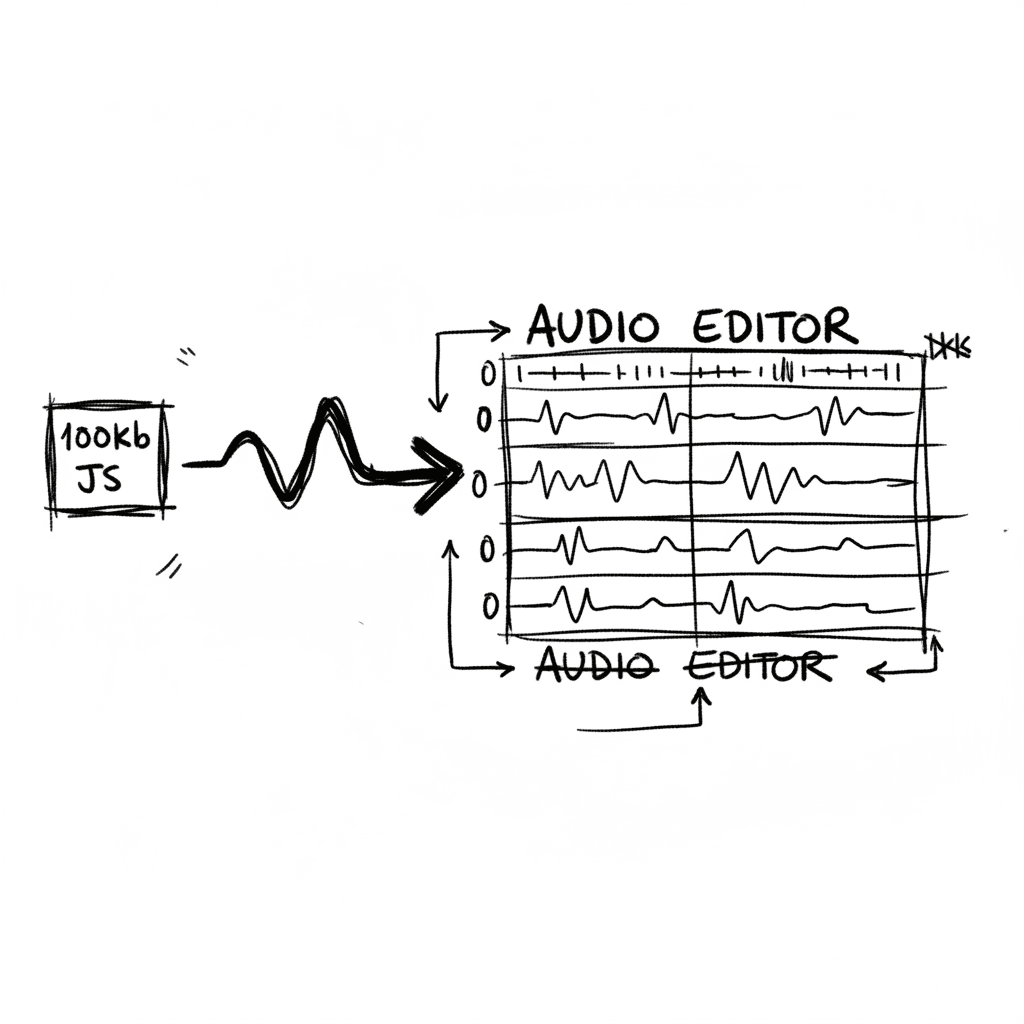
Audiomass: Multitrack Audio Editing via 100kb of Vanilla JavaScript
Audiomass is a browser-based, multitrack audio editor that operates entirely client-side with a remarkably small 100kb footprint (audiomass.co). It provides a workflow reminiscent of classic editors l
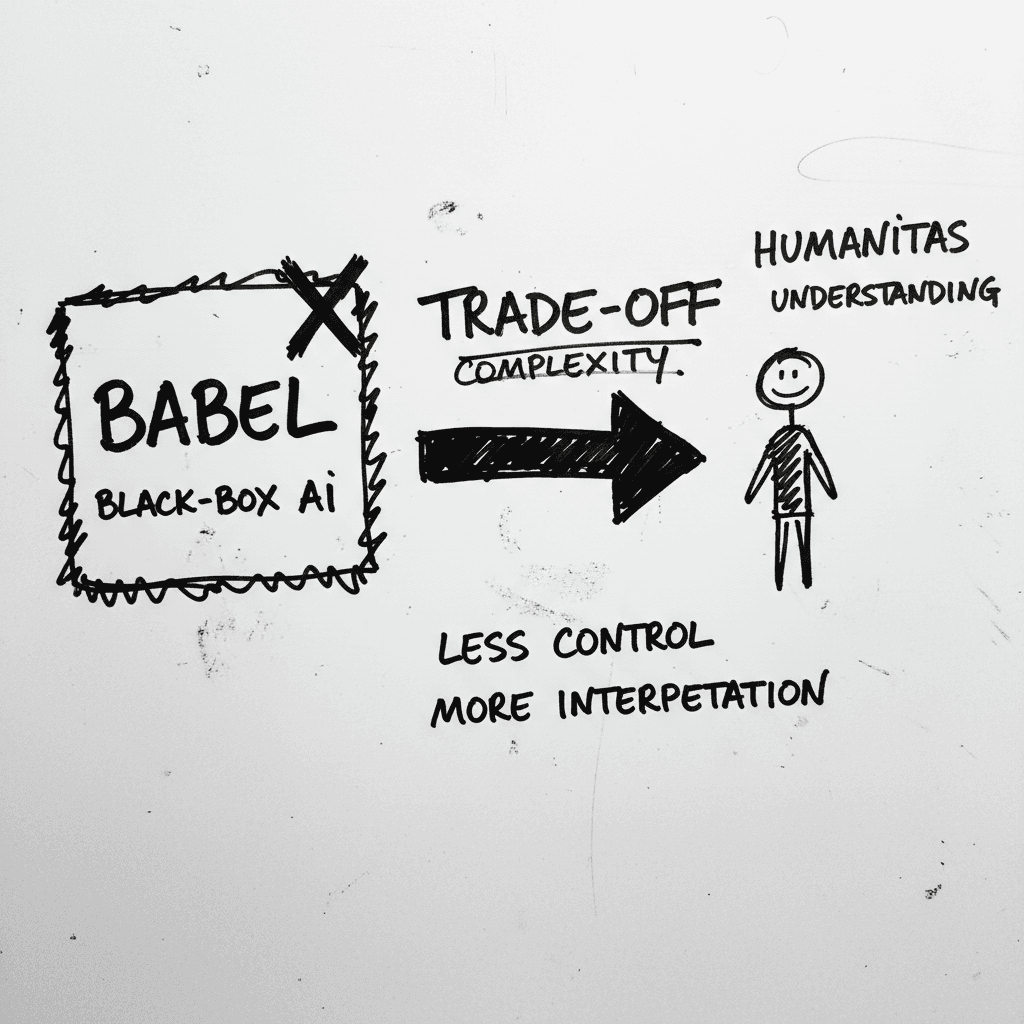
Magnifica Humanitas: The Vatican’s Framework for the GPT-5 Era
The document, signed May 15 and officially released today, was presented at the Vatican alongside Christopher Olah, co-founder of Anthropic and lead of its interpretability team (ncronline.org, Forbes
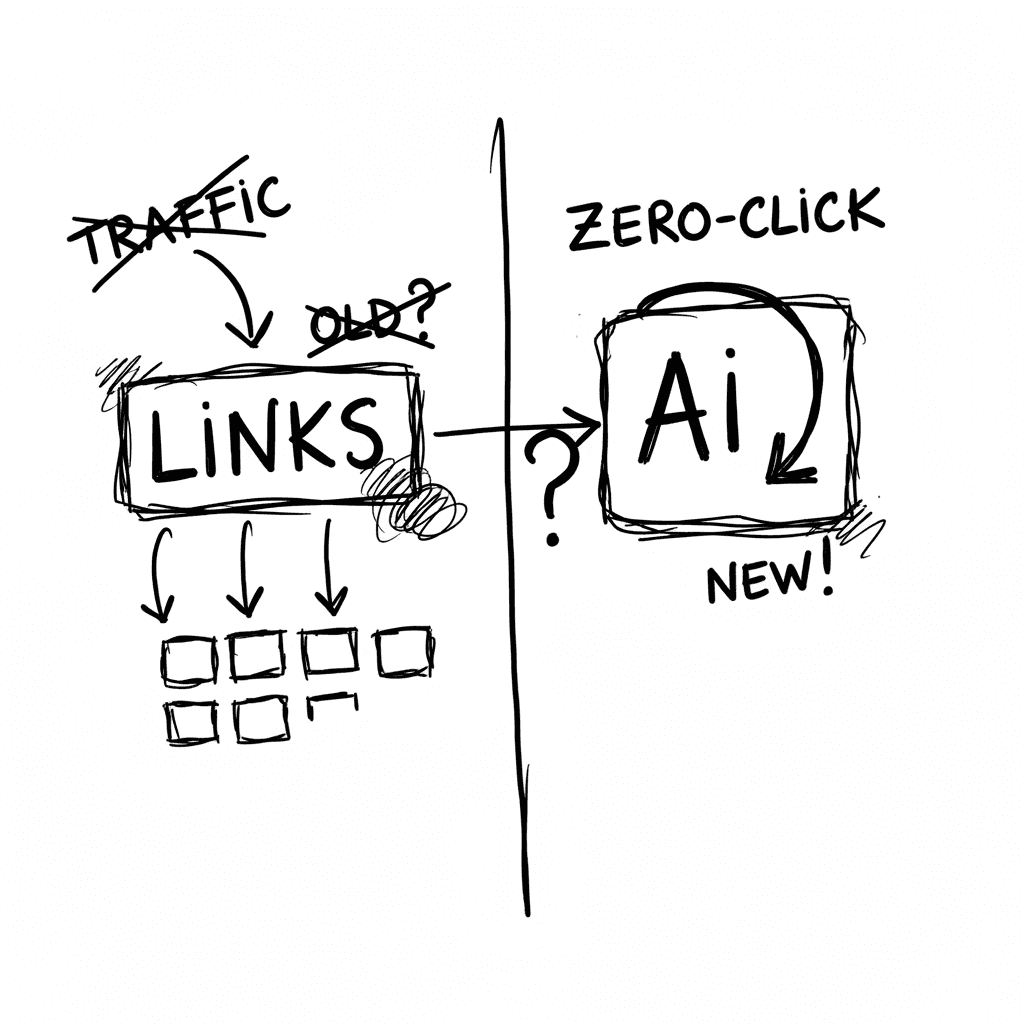
The Zero-Click Economy: Kagi Search vs. Google AI Mode
Google has effectively pivoted to an "answer engine" where Gemini 3.5 Flash provides conversational summaries, while Kagi remains the primary refuge for users seeking a human-centric, ad-free index. W
Stay Ahead of AI Adoption Trends
Get our latest reports and insights delivered to your inbox. No spam, just data.