
W9SL: Syscall Translation for Legacy Windows 9x Kernels
Windows 9x Subsystem for Linux (W9SL) is a syscall translation layer that allows unmodified Linux ELF binaries to run on Windows 95, 98, and Me without virtualization. It mimics the architecture of th

The Pitch
Windows 9x Subsystem for Linux (W9SL) is a syscall translation layer that allows unmodified Linux ELF binaries to run on Windows 95, 98, and Me without virtualization. It mimics the architecture of the original WSL1 by mapping Linux system calls directly to the 16/32-bit hybrid Windows 9x/DOS kernel (GitHub/UsedBy Dossier). The project is gaining traction among enthusiasts who require lower overhead than traditional virtual machines for retro-computing environments.
Under the Hood
Developed by haileys—the creator of doslinux—W9SL avoids the resource-heavy requirement of a side-loaded Linux kernel (HN Discussion). By implementing a translation layer rather than a VM, the project allows legacy hardware to execute basic console-based Linux binaries directly.
Reports indicate the following capabilities and constraints:
* Supports basic console-based Linux binaries, including components of the LAMP stack in retro-contexts (HN Comment).
* Distinguishes itself from older solutions like CoLinux by operating without an internal Linux kernel (HN Comment).
* Inherits structural limitations similar to WSL1, likely lacking support for 64-bit binaries or systemd (UsedBy Dossier).
* Performance is strictly dictated by the processing power of Pentium-era hardware.
We don't know yet how the current 2026 build performs on "late-stage" retro hardware, such as Core 2 Duo machines running Windows 9x hacks (UsedBy Dossier). Furthermore, a detailed list of supported versus unsupported syscalls in the current release has not been made public. Reliability remains experimental and is highly dependent on specific hardware configurations.
Marcus's Take
W9SL is a technically elegant piece of engineering, but its utility is confined strictly to the hobbyist domain. Unless your backend strategy involves a mission-critical dependency on a 1998 Compaq Presario, this has no place in your production environment. It is an impressive architectural exercise in kernel compatibility that I would recommend as a weekend side-project, provided you enjoy debugging thirty-year-old memory constraints. Skip it for anything that actually needs to stay online.
Ship clean code,
Marcus.
Marcus Webb - Senior Backend Analyst at UsedBy.ai
Related Articles
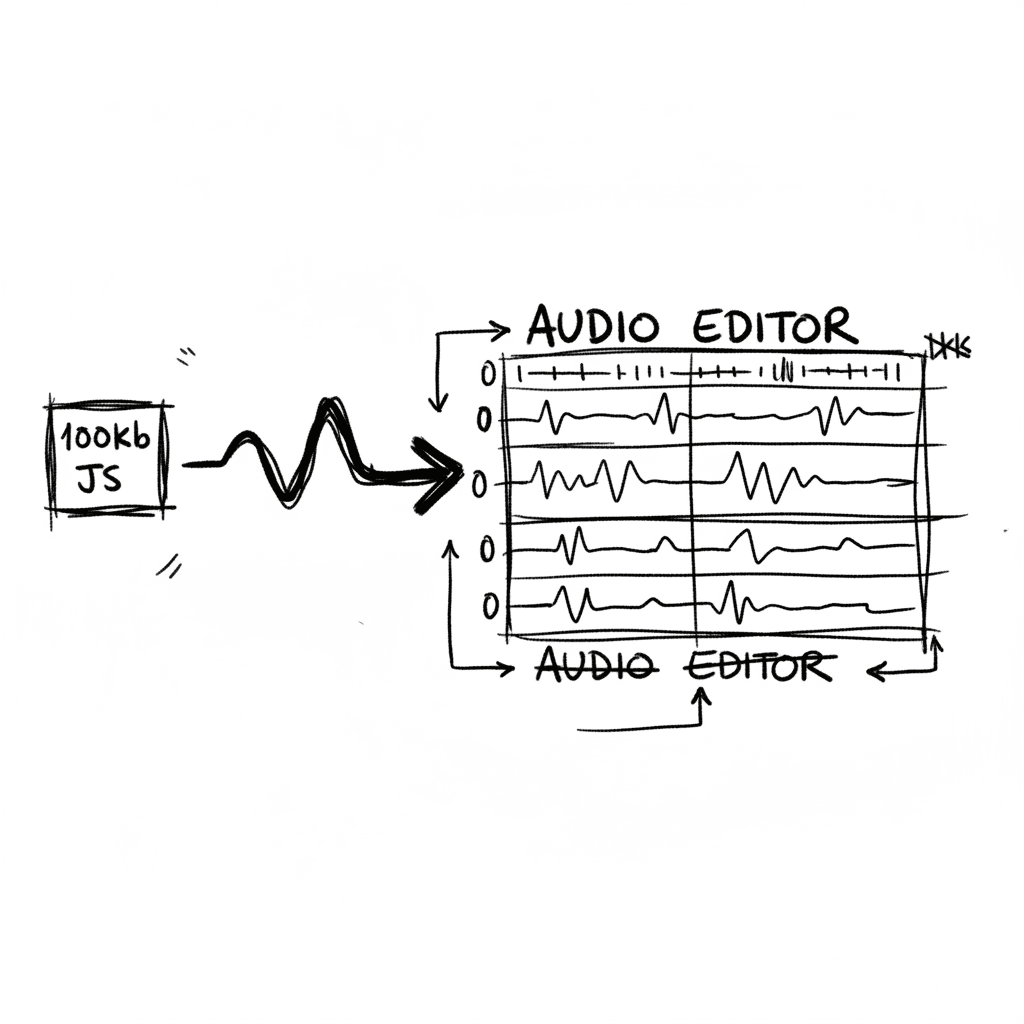
Audiomass: Multitrack Audio Editing via 100kb of Vanilla JavaScript
Audiomass is a browser-based, multitrack audio editor that operates entirely client-side with a remarkably small 100kb footprint (audiomass.co). It provides a workflow reminiscent of classic editors l
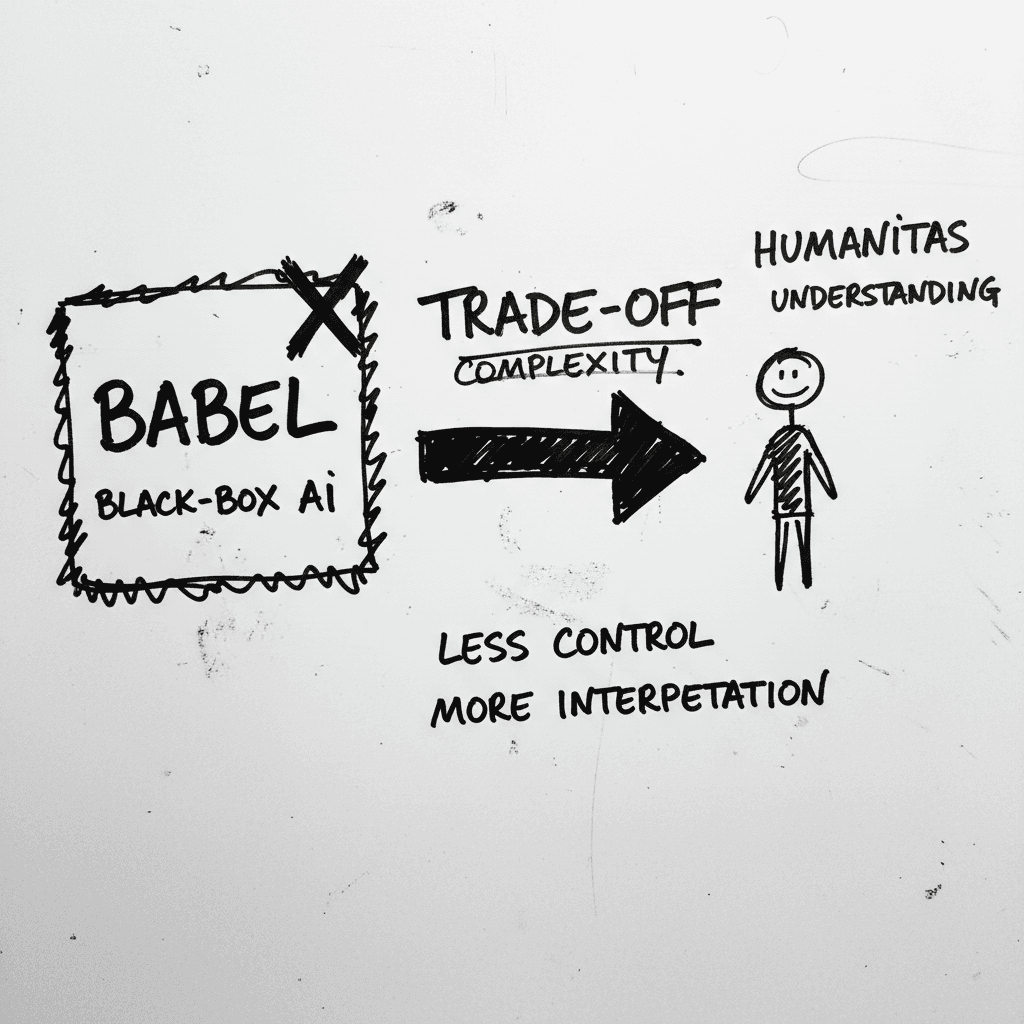
Magnifica Humanitas: The Vatican’s Framework for the GPT-5 Era
The document, signed May 15 and officially released today, was presented at the Vatican alongside Christopher Olah, co-founder of Anthropic and lead of its interpretability team (ncronline.org, Forbes
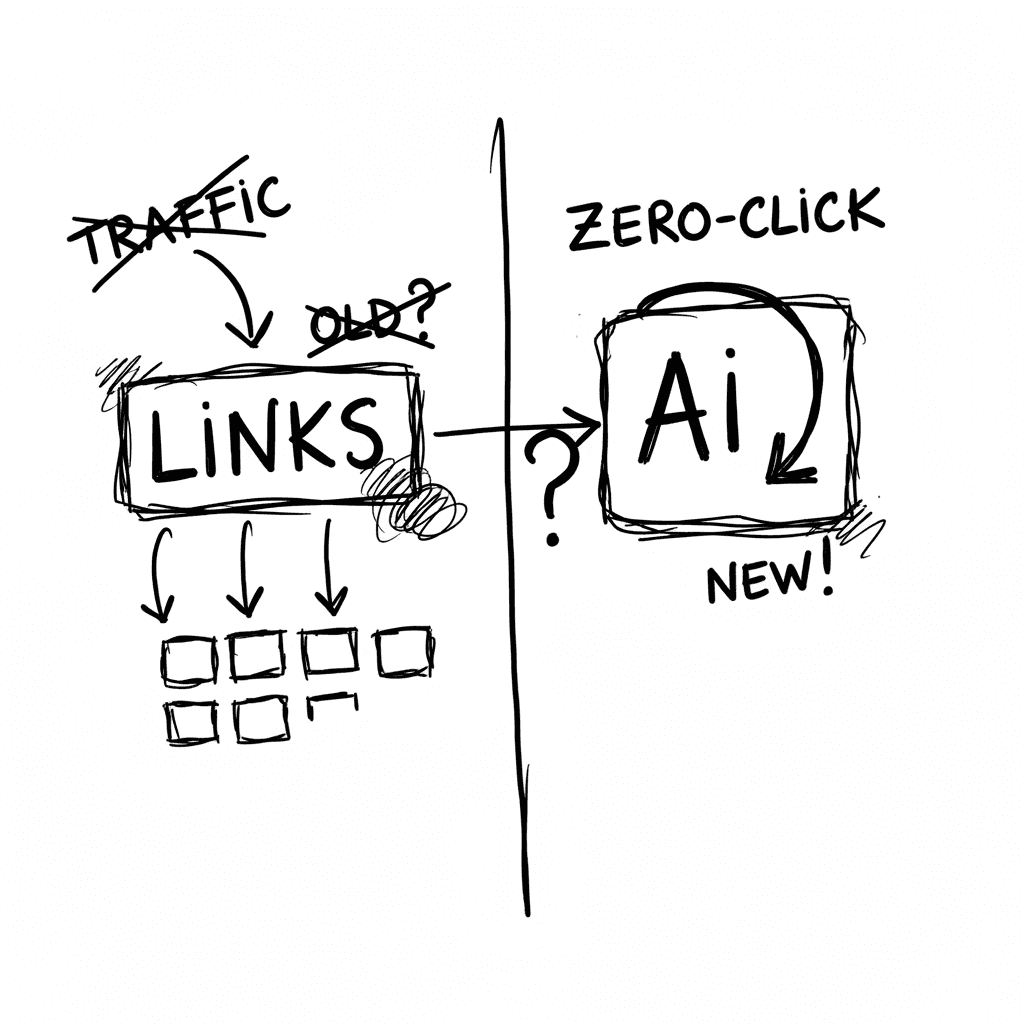
The Zero-Click Economy: Kagi Search vs. Google AI Mode
Google has effectively pivoted to an "answer engine" where Gemini 3.5 Flash provides conversational summaries, while Kagi remains the primary refuge for users seeking a human-centric, ad-free index. W
Stay Ahead of AI Adoption Trends
Get our latest reports and insights delivered to your inbox. No spam, just data.