
Zef-lang: Technical Architecture and Optimization Path
Zef-lang is an architectural blueprint for dynamic language interpreters designed by Filip Pizlo. It serves as a pedagogical implementation of high-performance VM techniques including hidden classes a

The Pitch
Zef-lang is an architectural blueprint for dynamic language interpreters designed by Filip Pizlo. It serves as a pedagogical implementation of high-performance VM techniques including hidden classes and inline caching (Source: HN).
Under the Hood
The implementation follows an 8-step optimization path derived from modern VM standards like V8 and JavaScriptCore (Source: HN Comment #2). Pizlo, known as 'pizlonator' in the systems community, has structured the project as a lean C++ codebase (Source: HN profile).
The repository is heavily skewed towards documentation, with 99.7% of the content being HTML (Source: HN Comment #4). This confirms its status as a technical masterclass rather than a tool intended for immediate deployment in production environments.
Performance gains are measured at 1.6% specifically in n-body benchmarks when optimizing math functions like sqrt (Source: HN snippet 1.3). However, these benchmarks utilize tight loops that do not necessarily represent the complex branching found in 2026 enterprise application logic (UsedBy Dossier).
We currently lack data on memory overhead compared to modern runtimes such as Python 3.15 with JIT (UsedBy Dossier). Additionally, the public roadmap does not clarify if Zef will transition into a stable 1.0 release or remain a static reference (UsedBy Dossier).
Marcus's Take
Zef-lang is a masterclass in VM engineering, but it belongs in your study folder, not your CI/CD pipeline. The performance gains on n-body simulations are negligible for general-purpose backend work where I/O and latency are the primary bottlenecks. Read the source code to understand how hidden classes actually work, then go back to using Mojo or Python 3.15 for your real-world services. It's a brilliant tutorial disguised as a project; just don't try to use it to power your next microservice unless you fancy 3am pager duty.
Ship clean code,
Marcus.
Marcus Webb - Senior Backend Analyst at UsedBy.ai
Related Articles
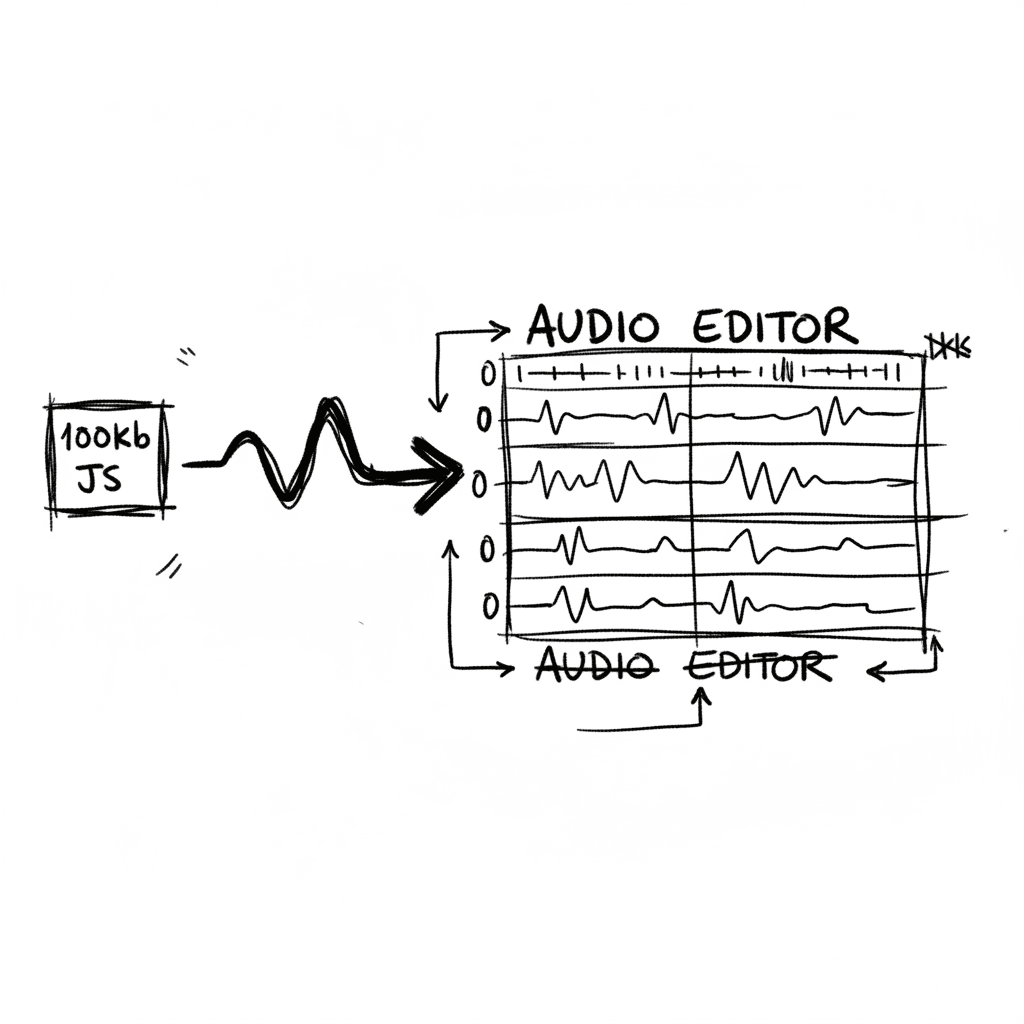
Audiomass: Multitrack Audio Editing via 100kb of Vanilla JavaScript
Audiomass is a browser-based, multitrack audio editor that operates entirely client-side with a remarkably small 100kb footprint (audiomass.co). It provides a workflow reminiscent of classic editors l
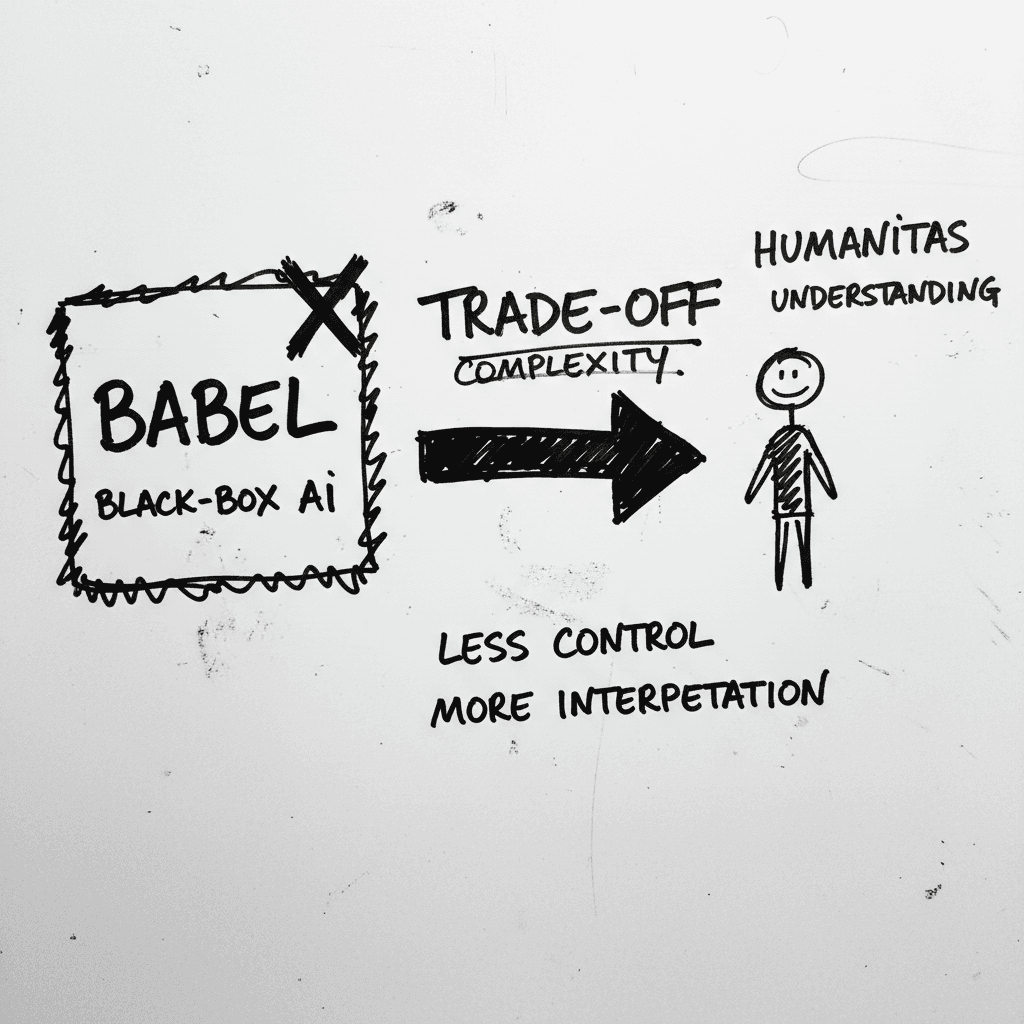
Magnifica Humanitas: The Vatican’s Framework for the GPT-5 Era
The document, signed May 15 and officially released today, was presented at the Vatican alongside Christopher Olah, co-founder of Anthropic and lead of its interpretability team (ncronline.org, Forbes
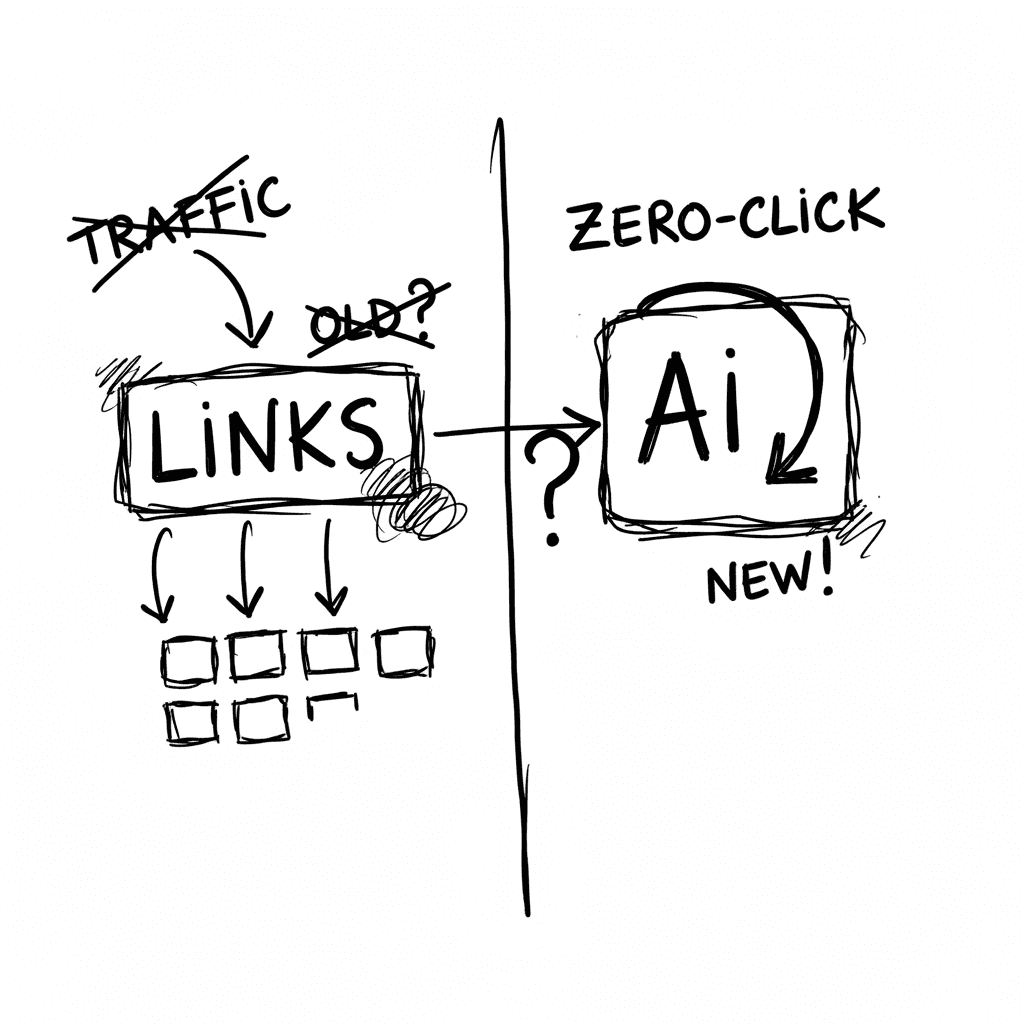
The Zero-Click Economy: Kagi Search vs. Google AI Mode
Google has effectively pivoted to an "answer engine" where Gemini 3.5 Flash provides conversational summaries, while Kagi remains the primary refuge for users seeking a human-centric, ad-free index. W
Stay Ahead of AI Adoption Trends
Get our latest reports and insights delivered to your inbox. No spam, just data.