
BREAKFAST Flip-Disc Kinetic Display System: 60 FPS Mechanical Hardware
BREAKFAST has engineered a kinetic display system that achieves 60 frames per second using electromagnetic flip-discs, a significant leap over legacy hardware. The system targets the luxury installati

The Pitch
BREAKFAST has engineered a kinetic display system that achieves 60 frames per second using electromagnetic flip-discs, a significant leap over legacy hardware. The system targets the luxury installation market by combining mechanical bi-stability with modern HDMI and Wi-Fi integration (Source: flipdisc.io, 2026). It bridges the gap between mid-century tactile aesthetics and 2026-era digital refresh rates.
Under the Hood
The system's primary technical differentiator is its 60 flips per second capability, which is roughly four times faster than the 10-15 fps seen in industrial transit displays (Source: flipdisc.io). This allows for fluid animations that were previously impossible with mechanical solenoids. Because the discs are bi-stable, the display maintains an image with zero power draw once the state is set (Source: Hackster.io April 2026).
Major 2024-2026 installations at the Venice Biennale and Heathrow Terminal 5 prove the hardware can handle high-traffic environments (Source: theartistbreakfast.com). The stack includes HDMI-In and playlist scheduling, making it relatively simple to pipe data into the system. However, the hardware remains physically temperamental, with mechanical failure of individual discs—often called "faulty dots"—remaining a persistent maintenance issue (Source: Wikipedia/HN).
There are significant barriers for developers looking to move beyond the "art piece" ecosystem. Public transit authorities are currently replacing flip-discs with LED and LCD panels due to the lower maintenance requirements of solid-state tech (Source: HN Thread). Furthermore, we don't know the long-term reliability of these high-speed 60fps solenoids compared to lower-speed industrial standards.
Public pricing for modular DIY kits is still not public as of April 2026. Commercial pieces are currently listed on Artsy between $39,000 and $75,000, which prices out most personal experimentation (Source: Artsy.net). While the API might be plug-and-play, the hardware cost and the specialized controllers lead to many "abandoned side projects" in the hobbyist community (Source: HN Thread).
Marcus's Take
Skip it for production unless you are an architect for a luxury brand with a dedicated maintenance budget. The 60fps refresh is a massive achievement, but the mechanical entropy of thousands of moving parts is a nightmare for any engineer who values sleep. It is essentially a very expensive, very loud way to build a display with a higher failure rate than a 1990s inkjet printer.
Ship clean code,
Marcus.
Marcus Webb - Senior Backend Analyst at UsedBy.ai
Related Articles
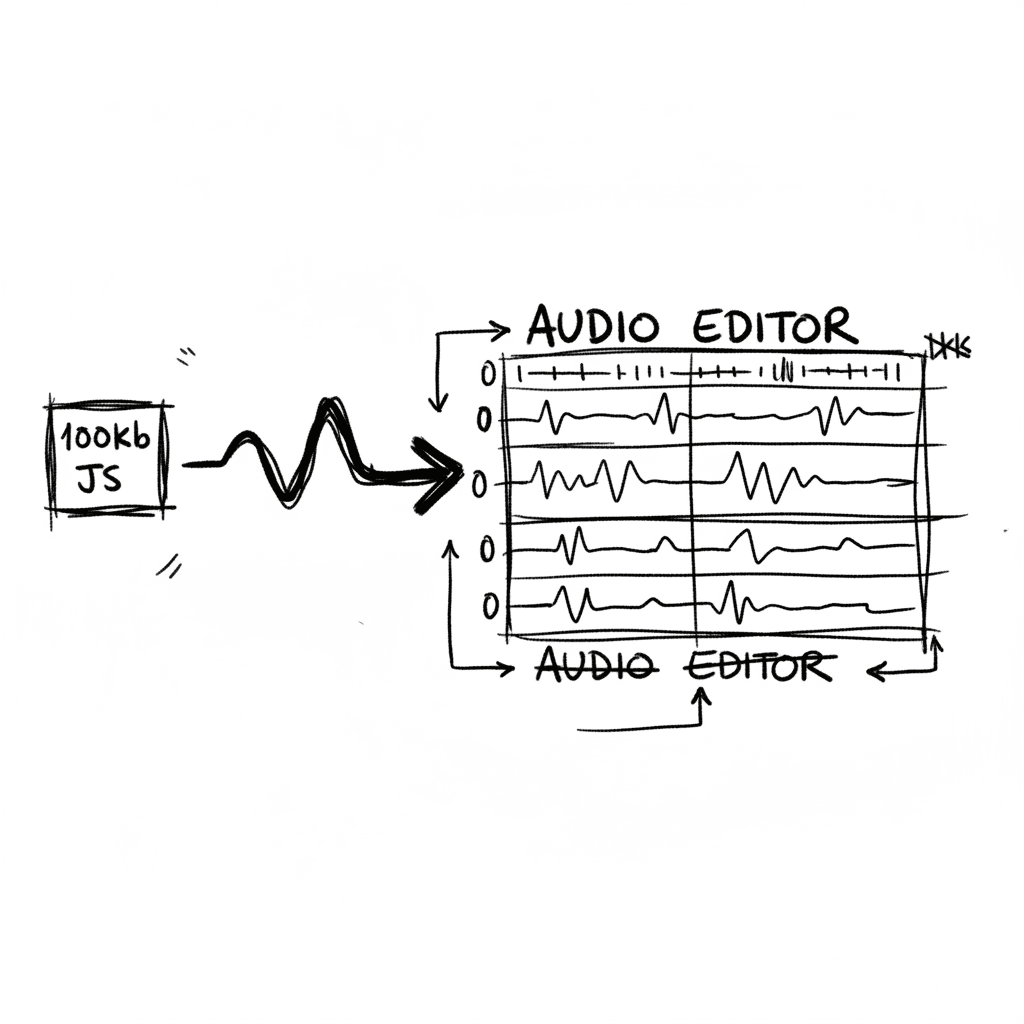
Audiomass: Multitrack Audio Editing via 100kb of Vanilla JavaScript
Audiomass is a browser-based, multitrack audio editor that operates entirely client-side with a remarkably small 100kb footprint (audiomass.co). It provides a workflow reminiscent of classic editors l
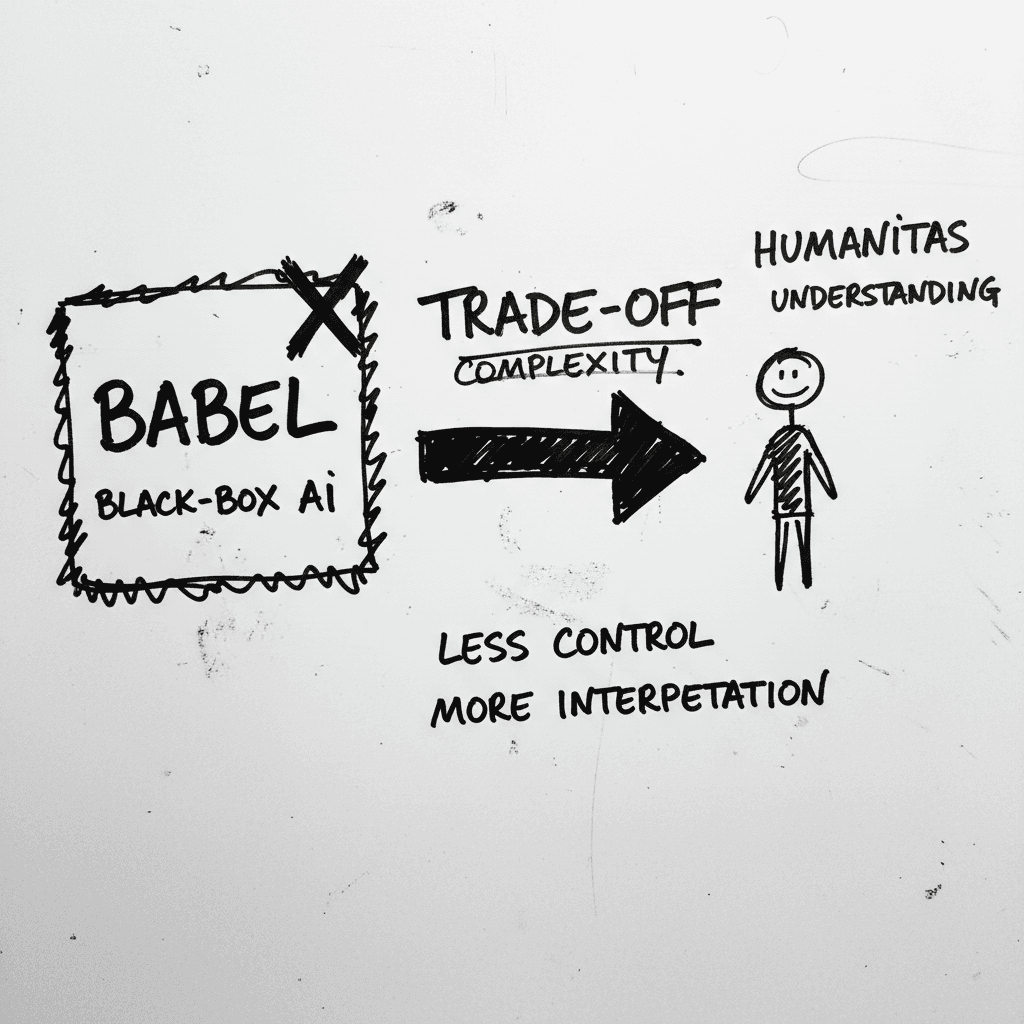
Magnifica Humanitas: The Vatican’s Framework for the GPT-5 Era
The document, signed May 15 and officially released today, was presented at the Vatican alongside Christopher Olah, co-founder of Anthropic and lead of its interpretability team (ncronline.org, Forbes
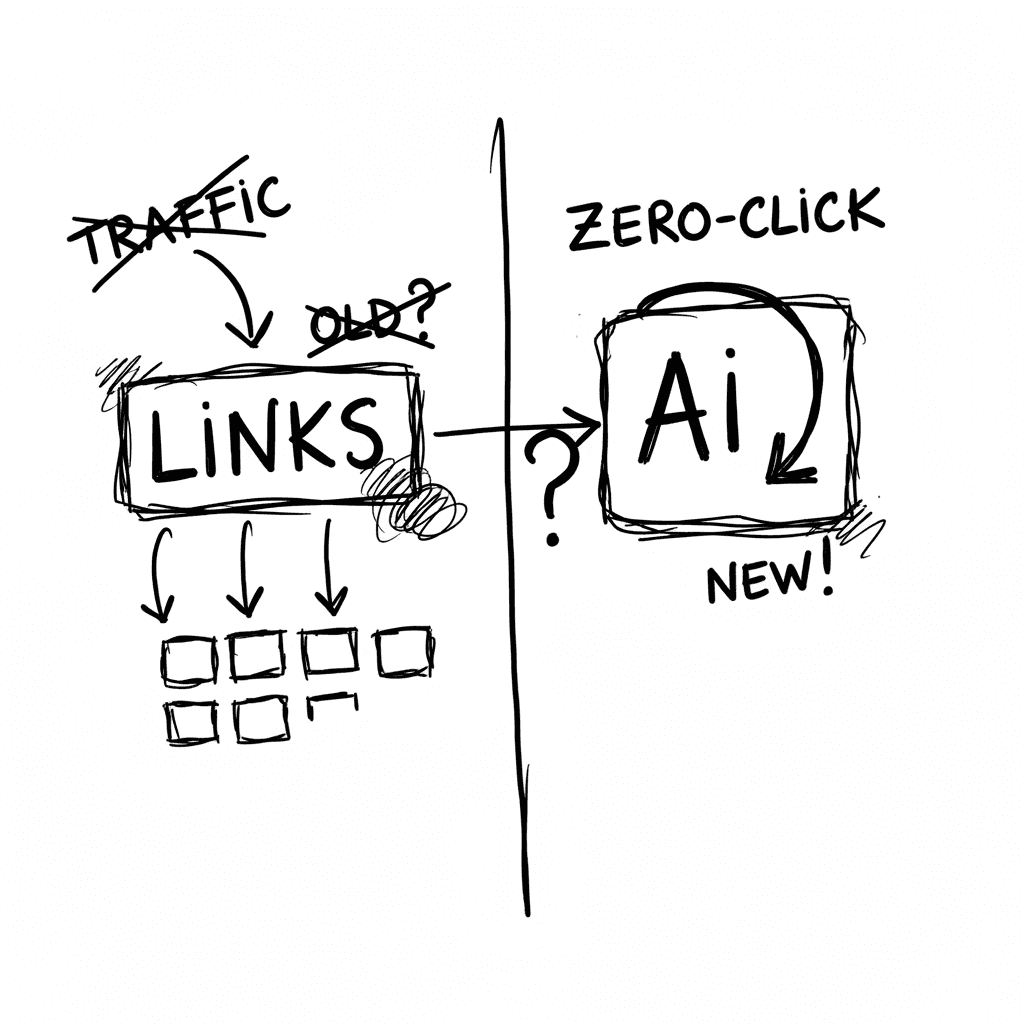
The Zero-Click Economy: Kagi Search vs. Google AI Mode
Google has effectively pivoted to an "answer engine" where Gemini 3.5 Flash provides conversational summaries, while Kagi remains the primary refuge for users seeking a human-centric, ad-free index. W
Stay Ahead of AI Adoption Trends
Get our latest reports and insights delivered to your inbox. No spam, just data.