
Mechanical Friction and Passive Feeder Design in the Mitxela Screw Counter
The Mitxela Simple Screw Counter uses a passive feeder mechanism to isolate and dispense small fasteners through laser-cut acrylic channels. It is a manual hardware solution designed to manage low-vol

The Pitch
The Mitxela Simple Screw Counter uses a passive feeder mechanism to isolate and dispense small fasteners through laser-cut acrylic channels. It is a manual hardware solution designed to manage low-volume workshop inventory without the overhead of electronic sensors. The project has gained traction for its minimalist approach to part orientation in a space usually dominated by expensive vibratory bowls (source: HN).
Under the Hood
The device relies on passive feeder design principles to orient parts by restricting their path of travel until only one orientation is physically possible (source: HN). This method avoids the complexity of active electronics but introduces significant material-science constraints. While the nut dispenser functions with high reliability, the screw dispenser is prone to jamming as the laser-cut acrylic surfaces degrade (source: UsedBy Dossier).
Mechanical fatigue is the primary failure mode here. As the acrylic slides against metal fasteners, the resulting micro-scratches increase the coefficient of friction, eventually leading to a total stall in the feed line (source: HN). This is a known limitation of using transparent thermoplastics for high-friction mechanical interfaces in 2026.
The design workflow utilized OnShape, which integrated a generative "AI Advisor" in its February 2026 update to assist with geometric constraints (source: OnShape Release Notes). However, the move toward cloud-only design environments presents a risk. OnShape’s 2026 free tier now enforces strict limitations on private documents, forcing many makers toward the FreeCAD 1.1 ecosystem (source: OnShape Pricing).
FreeCAD 1.1 reached its third Release Candidate (RC3) this month, marking a critical shift for open-source hardware projects (source: FreeCAD GitHub). Despite this software progress, the Mitxela project still lacks critical data in several areas:
* Long-term wear benchmarks for the acrylic feeder slides.
* Compatibility testing for fasteners larger than M3.
* A formal BOM cost-benefit analysis against 2026 digital counting scales.
Marcus's Take
This is a clever piece of mechanical engineering for a weekend hobbyist, but it is not a production-grade tool. The reliance on unlubricated acrylic for a sliding interface is a fundamental design flaw that ensures a limited operational lifespan before the plates require replacement. If you are running a professional assembly line in 2026, stop trying to be clever with a laser cutter and buy a digital load-cell scale. It’s a fun side-project, but skip it for anything where uptime actually matters.
Ship clean code,
Marcus.
Marcus Webb - Senior Backend Analyst at UsedBy.ai
Related Articles
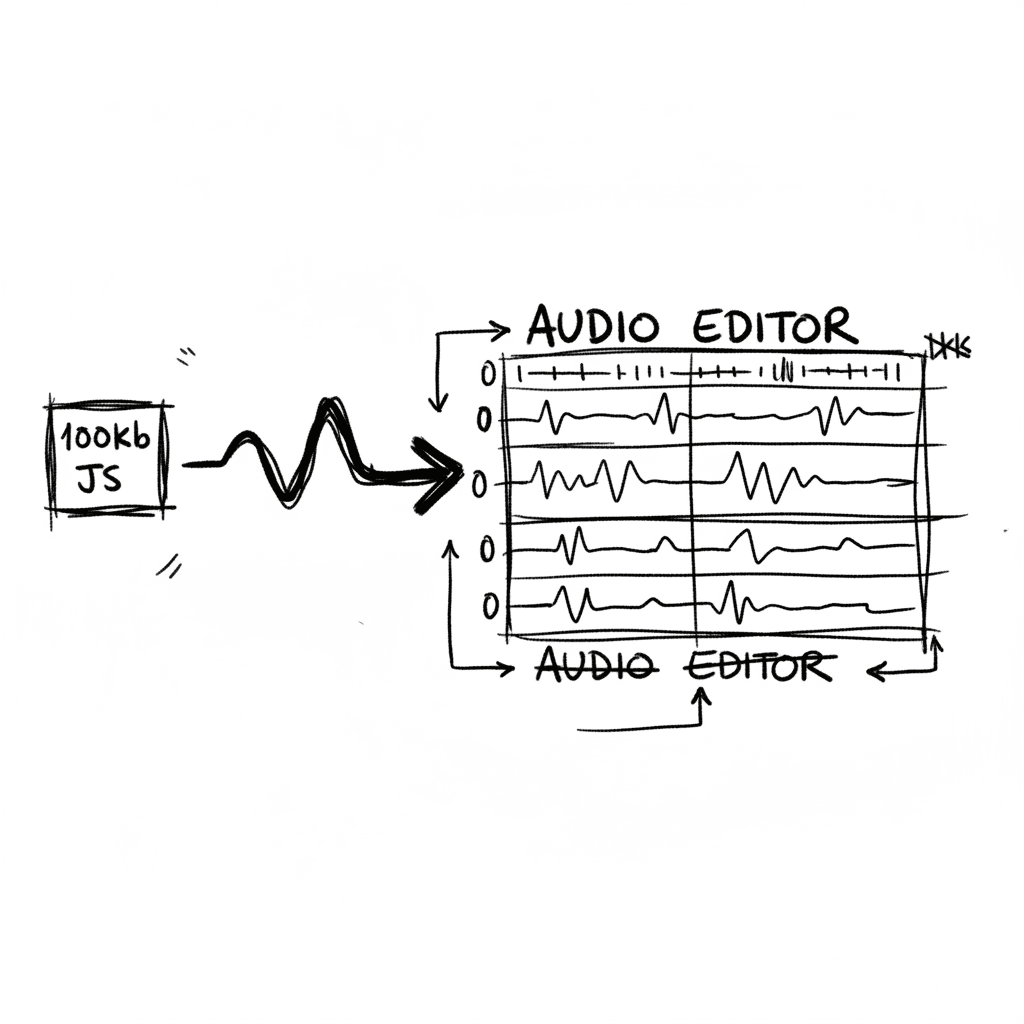
Audiomass: Multitrack Audio Editing via 100kb of Vanilla JavaScript
Audiomass is a browser-based, multitrack audio editor that operates entirely client-side with a remarkably small 100kb footprint (audiomass.co). It provides a workflow reminiscent of classic editors l
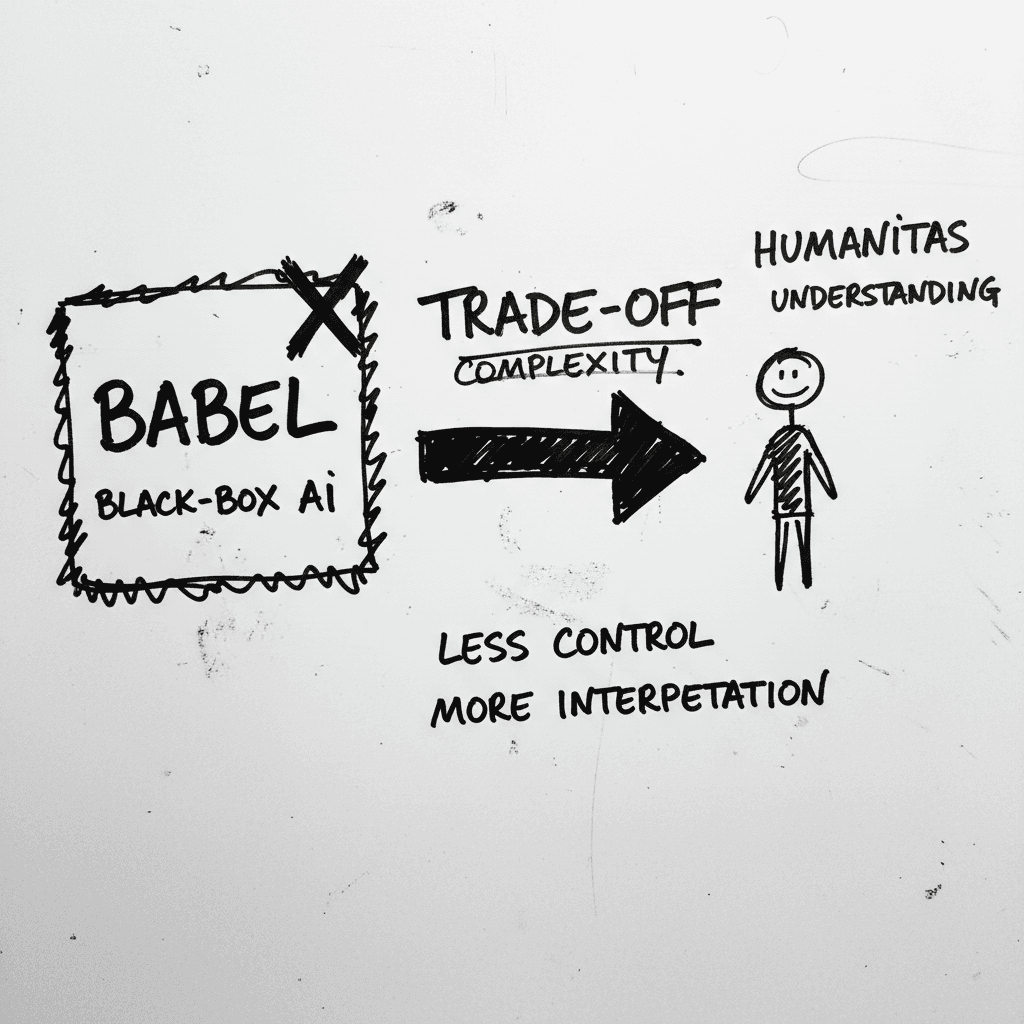
Magnifica Humanitas: The Vatican’s Framework for the GPT-5 Era
The document, signed May 15 and officially released today, was presented at the Vatican alongside Christopher Olah, co-founder of Anthropic and lead of its interpretability team (ncronline.org, Forbes
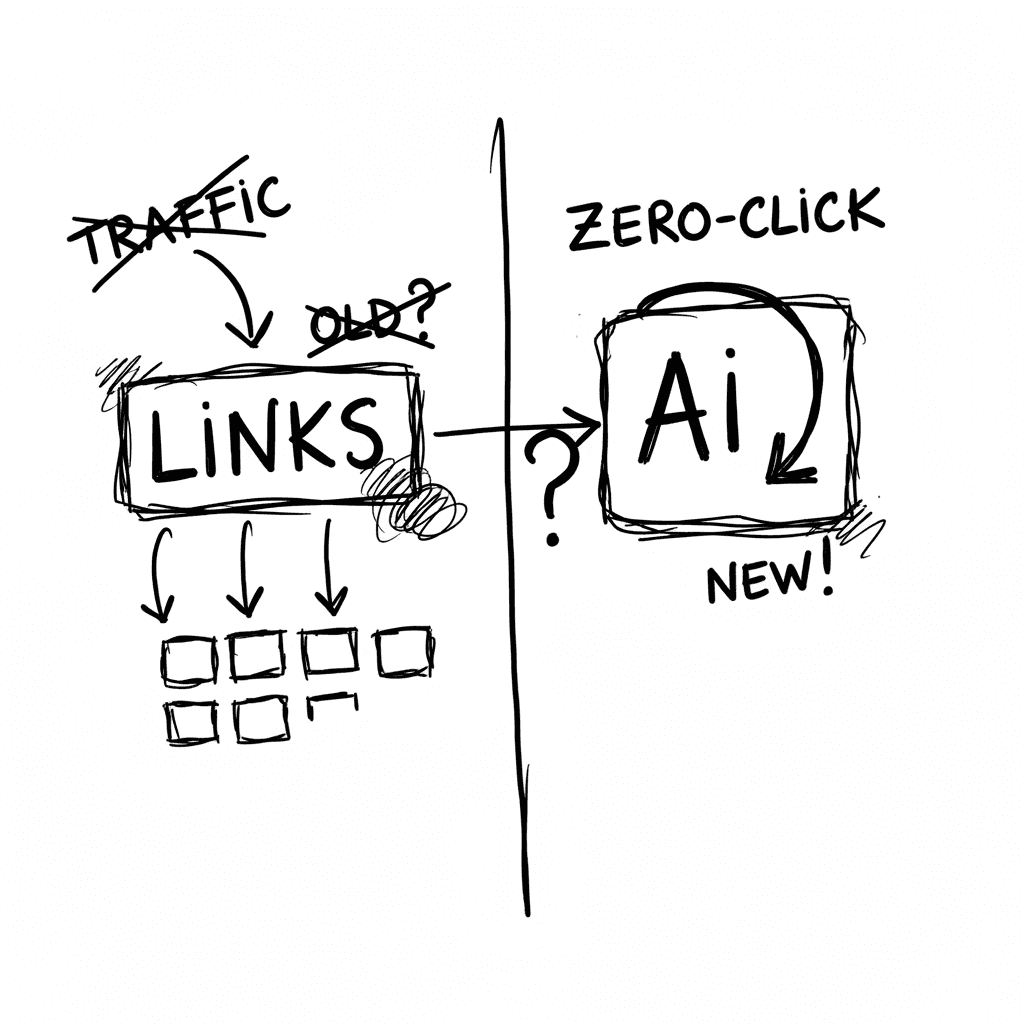
The Zero-Click Economy: Kagi Search vs. Google AI Mode
Google has effectively pivoted to an "answer engine" where Gemini 3.5 Flash provides conversational summaries, while Kagi remains the primary refuge for users seeking a human-centric, ad-free index. W
Stay Ahead of AI Adoption Trends
Get our latest reports and insights delivered to your inbox. No spam, just data.