
OpenAI Codex 2026: GPT-5 Agents and macOS Integration Analysis
OpenAI Codex has transitioned from a code-completion engine to an agentic framework powered by GPT-5.3-Codex and GPT-5.4 models as of April 2026 (DataCamp Benchmark Report, March 2026). It utilizes a

The Pitch
OpenAI Codex has transitioned from a code-completion engine to an agentic framework powered by GPT-5.3-Codex and GPT-5.4 models as of April 2026 (DataCamp Benchmark Report, March 2026). It utilizes a "Shadow Cursor" to execute autonomous engineering tasks across macOS and 90+ enterprise connectors including GitLab and Jira (OpenAI Official Release, April 16, 2026).
Under the Hood
The 2026 overhaul is built for terminal-heavy workflows, where it currently holds a 77.3% score on Terminal-Bench 2.0. For standard engineering tasks, the GPT-5.4 architecture is significantly leaner than the competition, using 3x-4x fewer tokens than Claude 4 Sonnet (Morph LLM Benchmarks, Feb 2026). This efficiency is paired with a background "Computer Use" feature that operates without interrupting the primary user (OpenAI Official Release).
However, the "professional agent" experience is marred by aggressive dark patterns in the subscription UI. Users on Hacker News and Reddit report a "message limit" loop where they are prompted to upgrade to a Plus plan, only to find the same constraints applied immediately after payment (HN Comment ID 400x). We don't know yet if this is a persistent bug or an intentional throttling strategy, as OpenAI has not issued a formal resolution.
The shift toward "Vibe Coding"—using natural language for UI adjustments—shows technical inconsistency. While Codex executes functional code, the visual results often lack the precision found in Claude 4.5 Opus (Leanware Comparison). Furthermore, the proprietary UI frequently hides the underlying code, a move that suggests OpenAI’s designers think developers now find raw syntax as frightening as a daylight-exposed vampire.
Security remains a primary concern for enterprise adoption. US legal firms have identified the "Computer Use" background agents as a threat to attorney-client privilege, given that full desktop context can be subpoenaed (Reuters/Japan Times, April 2026). See OpenAI Codex profile for more on how 534 companies, including Stripe and Shopify, are currently navigating these governance issues.
Marcus's Take
Codex is a superior choice for backend terminal automation and heavy-duty GitLab integration, but I cannot recommend it for frontend or UI-centric tasks where Claude 4.5 Opus remains the benchmark. The current billing friction and the lack of transparency in the "normie" UI are significant red flags for senior leads who require predictability. Use it for your CLI workflows, but keep your UI logic in a tool that doesn't treat code like a dirty secret.
Ship clean code,
Marcus.
Marcus Webb - Senior Backend Analyst at UsedBy.ai
Related Articles
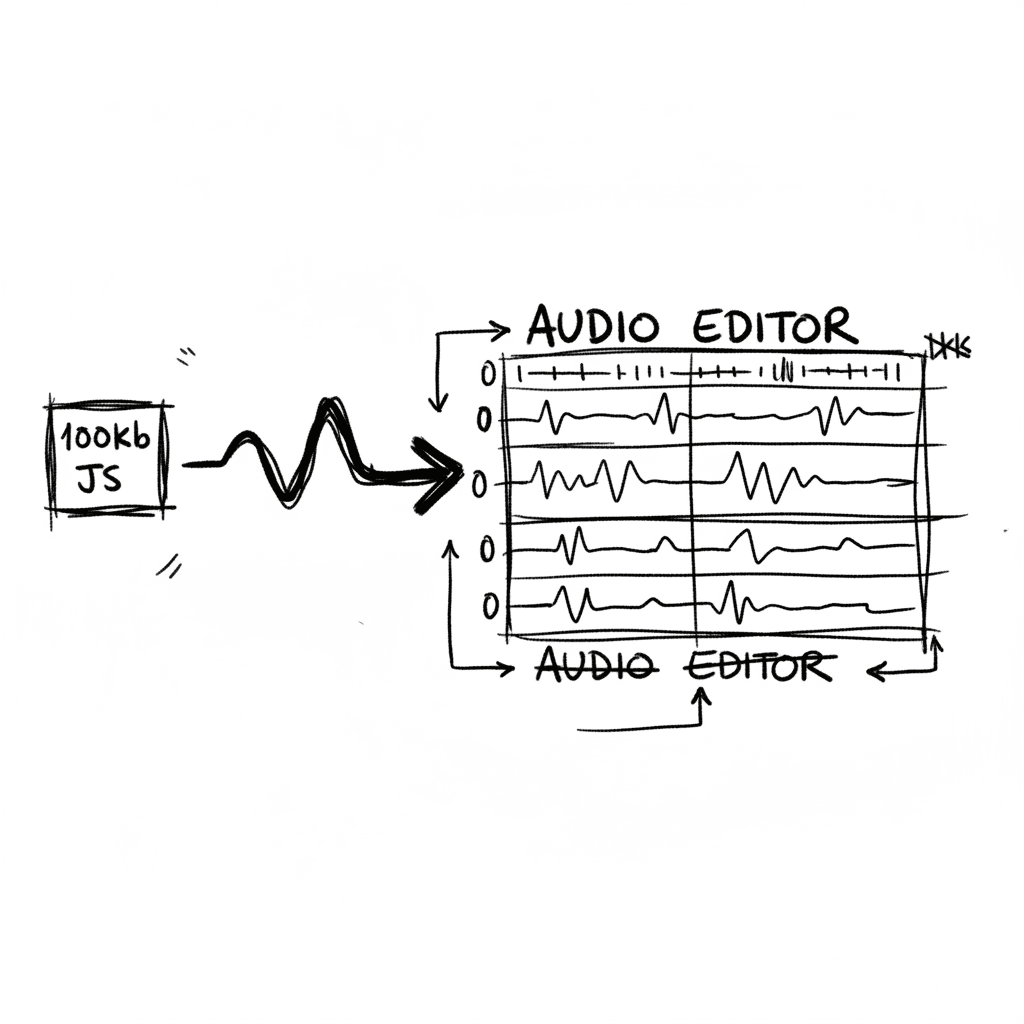
Audiomass: Multitrack Audio Editing via 100kb of Vanilla JavaScript
Audiomass is a browser-based, multitrack audio editor that operates entirely client-side with a remarkably small 100kb footprint (audiomass.co). It provides a workflow reminiscent of classic editors l
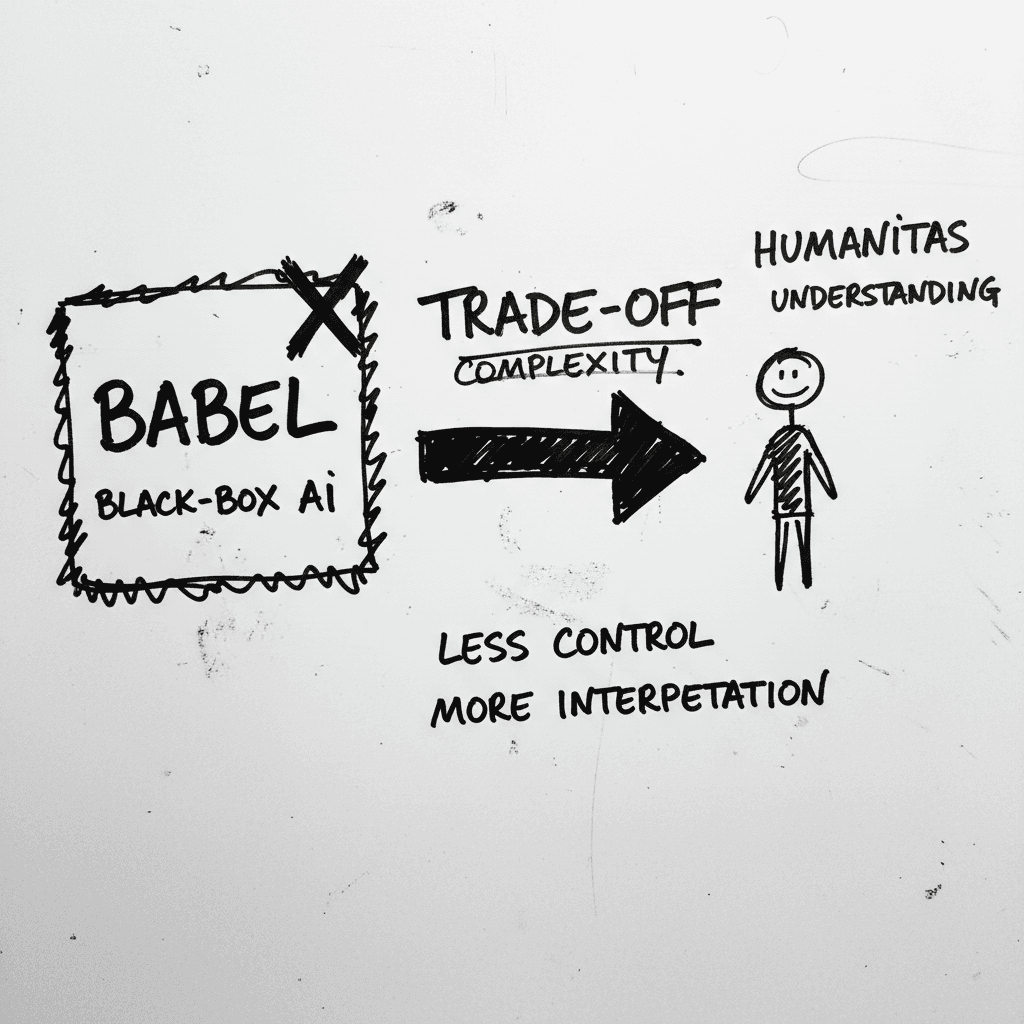
Magnifica Humanitas: The Vatican’s Framework for the GPT-5 Era
The document, signed May 15 and officially released today, was presented at the Vatican alongside Christopher Olah, co-founder of Anthropic and lead of its interpretability team (ncronline.org, Forbes
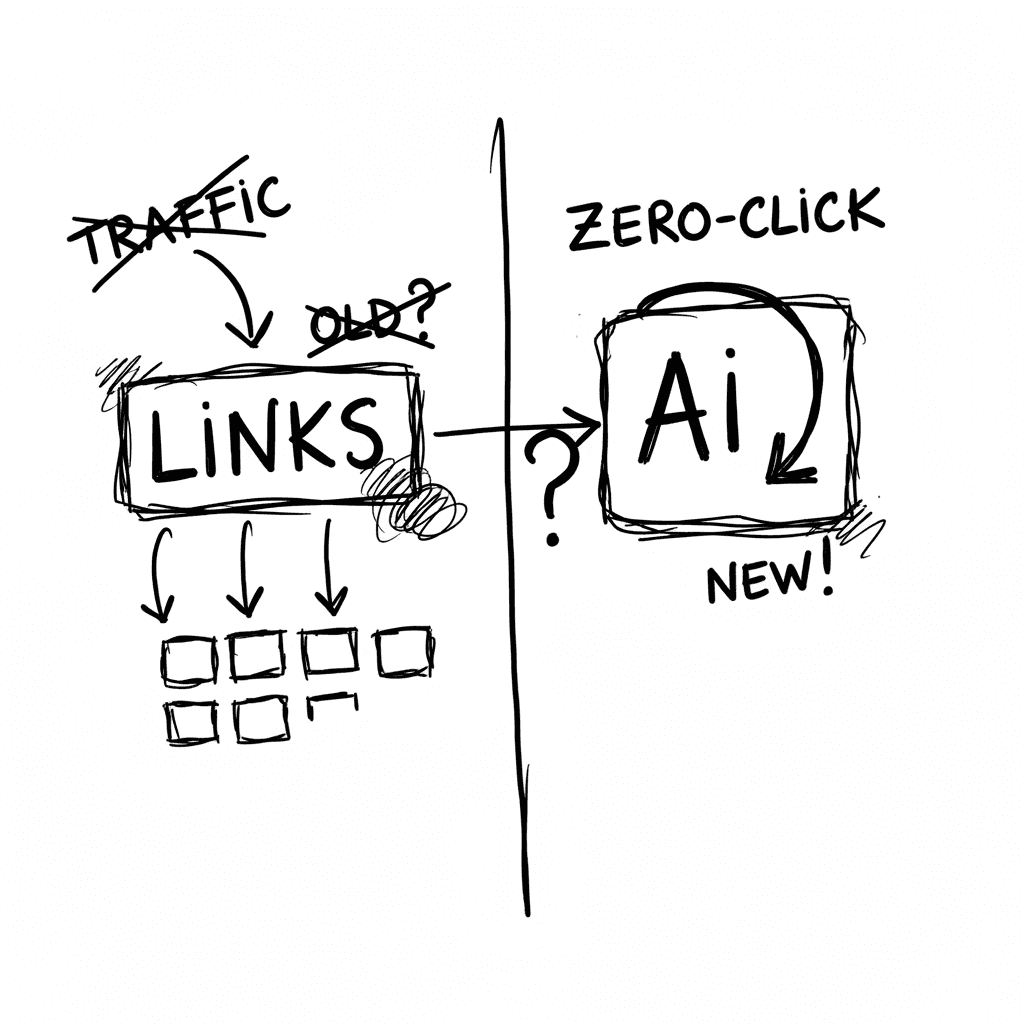
The Zero-Click Economy: Kagi Search vs. Google AI Mode
Google has effectively pivoted to an "answer engine" where Gemini 3.5 Flash provides conversational summaries, while Kagi remains the primary refuge for users seeking a human-centric, ad-free index. W
Stay Ahead of AI Adoption Trends
Get our latest reports and insights delivered to your inbox. No spam, just data.