
The Quantification of GitHub Star Fraud
GitHub stars no longer function as a reliable proxy for repository maturity or community adoption. A shadow economy has scaled to 6 million fake stars, primarily targeting the AI and LLM sectors to ma

The Pitch
GitHub stars no longer function as a reliable proxy for repository maturity or community adoption. A shadow economy has scaled to 6 million fake stars, primarily targeting the AI and LLM sectors to manufacture social proof for investors and developers (AwesomeAgents.ai). This manipulation is no longer a fringe activity but a systemic issue involving nearly 19,000 repositories (ICSE 2026).
Under the Hood
A peer-reviewed CMU study (ICSE 2026) utilized a tool called StarScout to identify 6 million fake stars across 18,617 repositories (AwesomeAgents.ai). These stars are traded on open platforms like Telegram and Fiverr for as little as $0.03 to $0.85 per unit (AwesomeAgents.ai). AI and LLM repositories are the largest non-malicious category of manipulation, receiving 177,000 suspected fake stars (ICSE 2026 Research Track).
Quantifiable discrepancies provide the clearest evidence of this manufactured growth. The "Free Domain" project, for instance, maintains 157,000 stars despite having only 168 watchers (AwesomeAgents.ai). This ratio is a mathematical impossibility under organic growth conditions. Even high-profile projects are implicated; Union Labs, which topped the Runa Capital Ross Index in Q2 2025, was flagged with a 47.4% fraud rate (AwesomeAgents Podcast).
The risks of this economy extend beyond vanity metrics into legal and security territories. The FTC 2024 Consumer Review Rule now permits penalties of $53,088 per violation for buying fake influence (FTC Rule 2024). Furthermore, the SEC is viewing star manipulation during fundraises as potential wire fraud if used to deceive investors (SEC Precedent 2025).
From a security perspective, this is a critical supply chain vulnerability. Attackers can buy credibility to mask social engineering attempts, mirroring the tactics seen in the XZ backdoor incident (dev.to). We don't know the full list of all 18,617 flagged repositories yet, as much of the StarScout data remains partially confidential. We also don't know yet what GitHub’s internal roadmap is for moving from reactive to proactive detection.
Marcus's Take
Stop using star counts as a filter for production dependencies. If you are a CTO or Lead Dev, you must verify the star-to-watcher ratio and contributor history before integrating any "trending" AI library. The star metric is effectively dead for technical due diligence; it is now merely a marketing expense for founders chasing VCs who haven't updated their sourcing signals since 2022. If a project has 50k stars but a silent issue tracker, it isn't a community—it's a receipt.
Ship clean code,
Marcus.
Marcus Webb - Senior Backend Analyst at UsedBy.ai
Related Articles
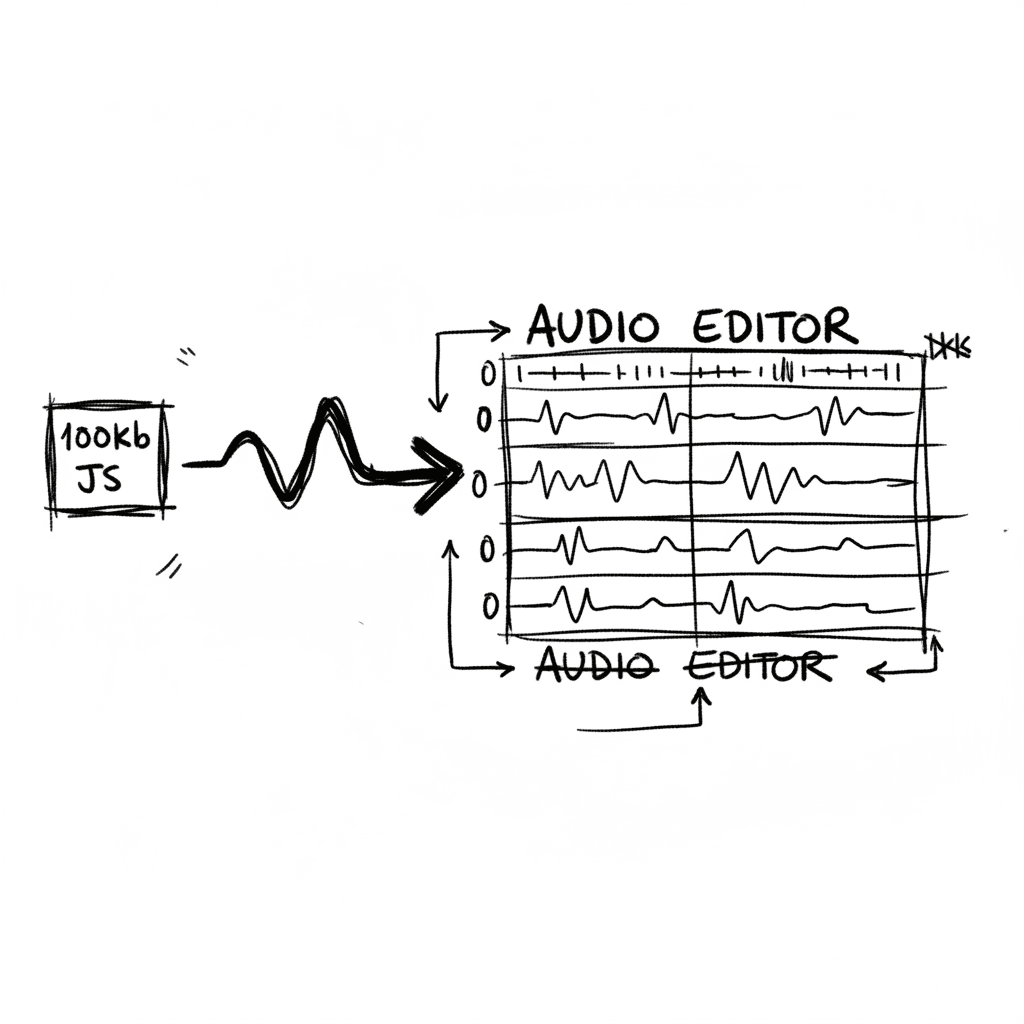
Audiomass: Multitrack Audio Editing via 100kb of Vanilla JavaScript
Audiomass is a browser-based, multitrack audio editor that operates entirely client-side with a remarkably small 100kb footprint (audiomass.co). It provides a workflow reminiscent of classic editors l
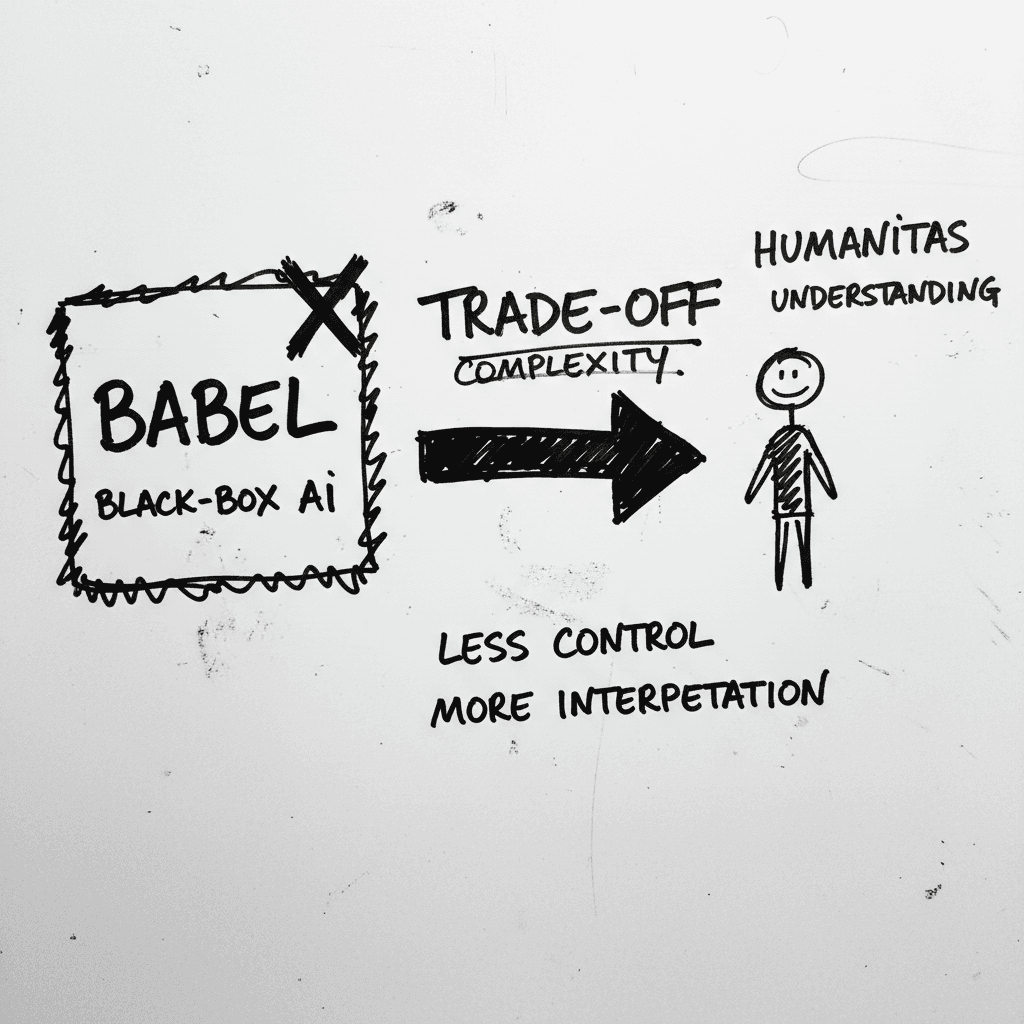
Magnifica Humanitas: The Vatican’s Framework for the GPT-5 Era
The document, signed May 15 and officially released today, was presented at the Vatican alongside Christopher Olah, co-founder of Anthropic and lead of its interpretability team (ncronline.org, Forbes
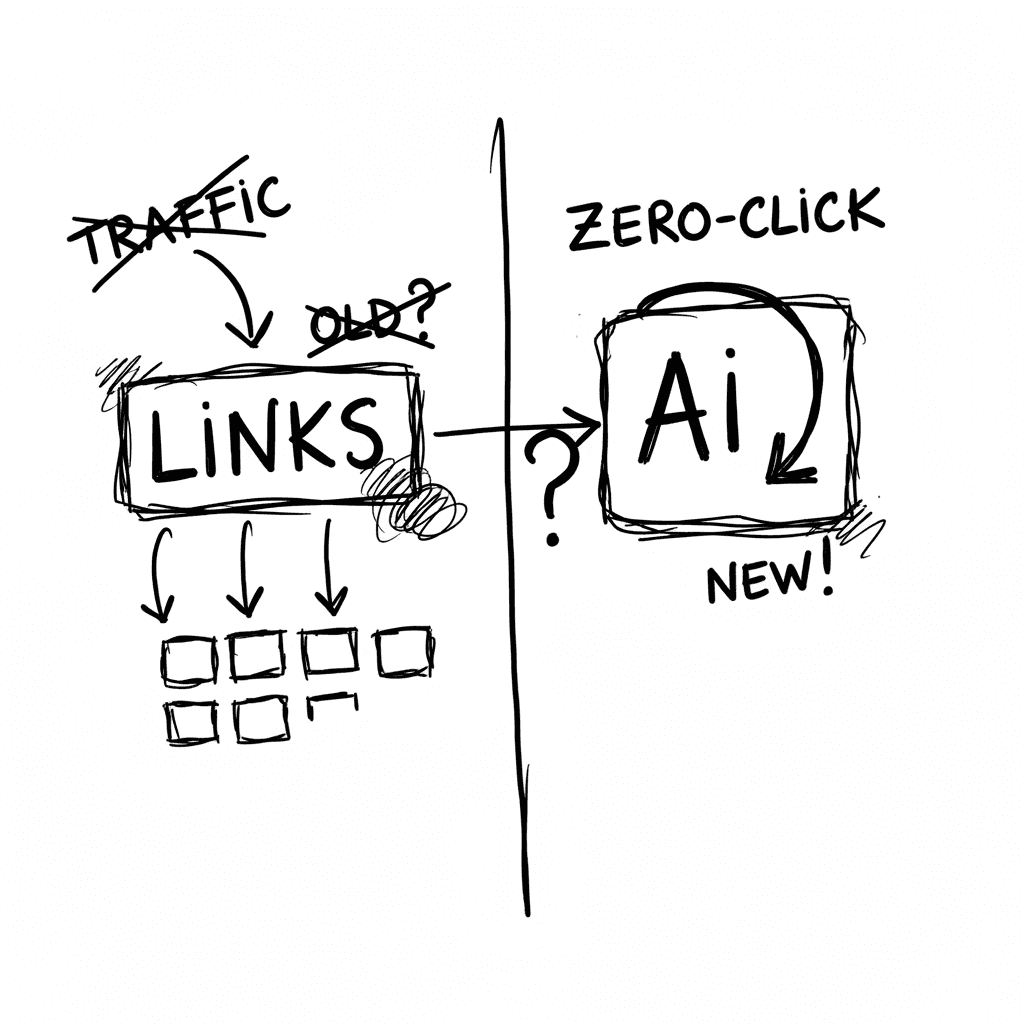
The Zero-Click Economy: Kagi Search vs. Google AI Mode
Google has effectively pivoted to an "answer engine" where Gemini 3.5 Flash provides conversational summaries, while Kagi remains the primary refuge for users seeking a human-centric, ad-free index. W
Stay Ahead of AI Adoption Trends
Get our latest reports and insights delivered to your inbox. No spam, just data.